Governance Frameworks, Policy Documentation, and Compliance Requirements
— by
Steven Haynes
Building Resilience: A Guide to Governance Frameworks, Policy Documentation, and Compliance
Introduction
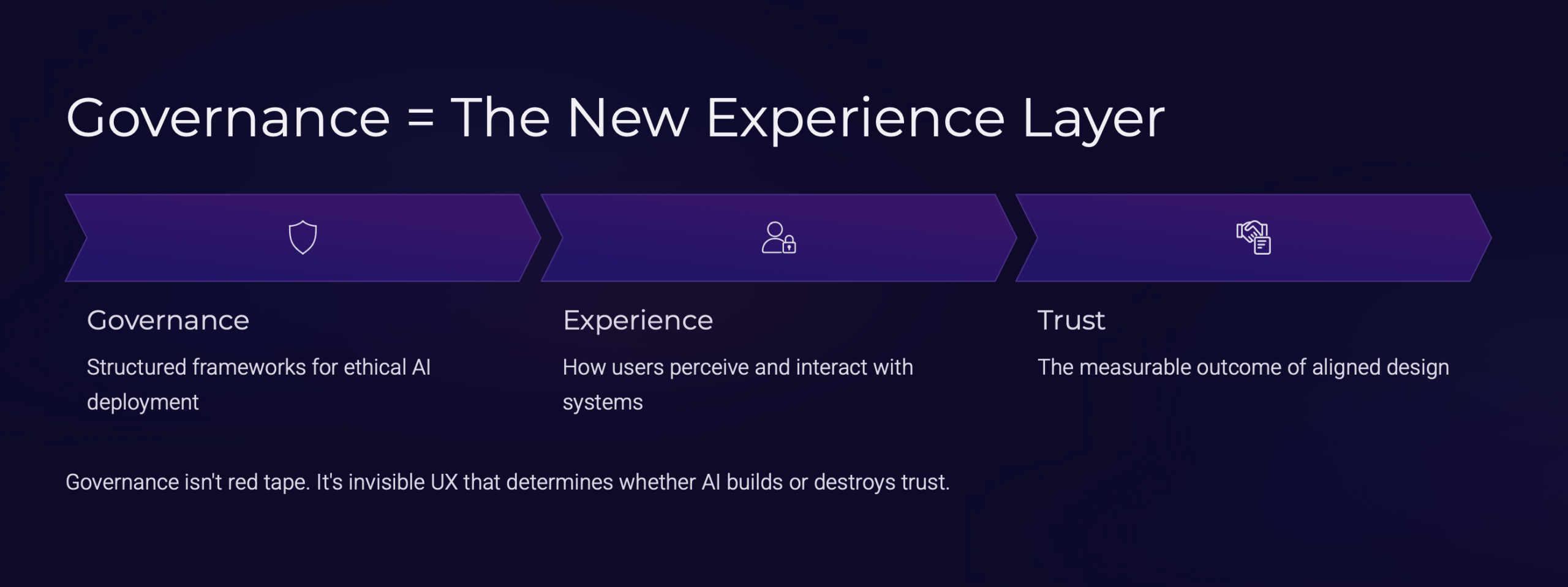
In the modern digital landscape, “governance” is often dismissed as bureaucratic red tape. However, for organizations operating under the pressure of global regulations and cyber threats, governance is the difference between a resilient enterprise and a catastrophic failure. A robust governance framework is not merely about ticking boxes for auditors; it is the strategic blueprint that ensures your people, processes, and technology align with your business objectives.
Whether you are navigating GDPR, SOC2, or internal risk management, understanding how to structure your policy documentation is the first step toward operational maturity. This guide cuts through the complexity to provide a practical roadmap for implementing effective governance in your organization.
Key Concepts
To implement effective governance, you must first distinguish between the three pillars of control:
Governance Frameworks: These are the “north star” documents. They provide the overarching structure, principles, and objectives for how an organization is directed and controlled. Think of frameworks like NIST, ISO 27001, or COBIT as the foundations of your house.
Policy Documentation: Policies are the rules of the road. They are high-level statements of intent, approved by leadership, that mandate specific behaviors. A good policy is durable, clear, and focused on what needs to be achieved, rather than the technical how.
Compliance Requirements: Compliance is the outcome of adhering to both your internal policies and external legal mandates. It is the proof that you are doing what you claimed you would do.
When these three align, you create a compliance-by-design culture where security and accountability are baked into the daily workflow rather than treated as an afterthought.
Step-by-Step Guide
Assess Your Landscape: Identify which regulations (GDPR, HIPAA, CCPA) or industry standards (SOC2, PCI-DSS) apply to your business. Do not try to achieve compliance for every framework at once; prioritize based on risk and customer requirements.
Adopt a Control Framework: Choose a single “anchor” framework—such as the NIST Cybersecurity Framework (CSF)—that covers the majority of your requirements. This prevents “framework fatigue” and redundant documentation.
Draft Policies with Purpose: Keep policies concise. Every policy should include an owner, a scope, the specific requirements, and the consequences of non-compliance. Avoid using jargon that only the IT department understands.
Create Supporting Standards and Procedures: If the policy is the “what,” the standards and procedures are the “how.” Develop technical standards (e.g., password length requirements) and Standard Operating Procedures (SOPs) that guide employees through policy execution.
Implement Centralized Management: Use a GRC (Governance, Risk, and Compliance) tool or a centralized repository to manage document version control. Documentation is useless if it is outdated or inaccessible.
Continuous Monitoring and Audit: Schedule quarterly reviews of your policies. Compliance is a living process; as your technology stack changes, your documentation must evolve to reflect the current reality of your operations.
Examples and Case Studies
Consider a mid-sized SaaS company that recently expanded into the European market. They faced the daunting challenge of achieving GDPR compliance while maintaining their SOC2 certification.
The company avoided the mistake of writing new, isolated policies for each requirement. Instead, they performed a “Gap Analysis” to map their existing SOC2 controls to GDPR articles. By identifying common denominators—such as access control and data encryption—they created a unified “Data Handling Policy.” This single document satisfied both the internal audit for SOC2 and the legal mandate for GDPR, reducing documentation load by 40%.
This approach proves that effective governance is about harmonization. By mapping controls to multiple standards, you can satisfy ten different regulators with a single set of robust internal policies.
Common Mistakes
The “Copy-Paste” Policy Trap: Downloading a generic policy template from the internet is a recipe for failure. If your documentation does not reflect how your specific business operates, auditors will view it as a failure of oversight.
Ignoring Stakeholder Buy-in: Governance often fails because it is pushed exclusively by IT. You must involve Legal, HR, and Operations during the drafting phase to ensure the policies are enforceable and realistic.
Over-Engineering Documentation: If a policy is 50 pages long, no one will read it. Keep policies as short as possible and focus on accessibility.
Set-and-Forget Mentality: Policies created two years ago are likely obsolete. Failure to perform annual reviews indicates to regulators that your governance program is dormant.
Advanced Tips
To move from “compliant” to “mature,” consider these strategies:
Use Automation for Evidence Collection: Manual evidence collection—like taking screenshots of settings—is inefficient. Use automated tools to monitor configuration changes in real-time. This turns compliance from an annual “fire drill” into a continuous, background process.
Embrace Security Awareness as Governance: A policy that employees do not understand is a policy that will be broken. Invest in training that translates dry policy language into practical scenarios. When your staff understands the “why” behind the policy, compliance rates skyrocket.
Develop an Exceptions Process: Rigid policies can sometimes stifle innovation. Build a formal, documented process for requesting policy exceptions. This allows for agility while ensuring that any deviation from the standard is formally risk-assessed, approved by leadership, and time-bound.
Conclusion
Governance, policy, and compliance are not just administrative tasks; they are strategic assets that build trust with customers and stakeholders. By moving away from “checkbox compliance” and toward a cohesive framework, you reduce operational risk, eliminate redundancies, and build a culture of accountability.
Start small by selecting one framework, mapping your current policies to that framework, and ruthlessly trimming unnecessary documentation. Remember: Effective governance is measured not by the weight of your documents, but by the consistency and clarity of your actions. Start building your foundation today, and you will find that compliance becomes a natural byproduct of doing business the right way.


Leave a Reply