
Integrating the NIST AI Risk Management Framework into Your Product Development Lifecycle
Introduction
The rapid proliferation of artificial intelligence has moved beyond experimental prototypes and into the heart of core product development. However, innovation without guardrails often leads to significant reputational damage, legal exposure, and ethical failures. The NIST AI Risk Management Framework (AI RMF 1.0) provides a voluntary, flexible, and rigorous approach to managing these risks. By weaving the framework into your existing Product Development Lifecycle (PDLC), you transform AI safety from an afterthought into a competitive advantage.
This article moves beyond the theory to provide a practical, operational blueprint for engineering teams, product managers, and compliance officers looking to build trustworthy AI systems that survive the scrutiny of both regulators and end-users.
Key Concepts
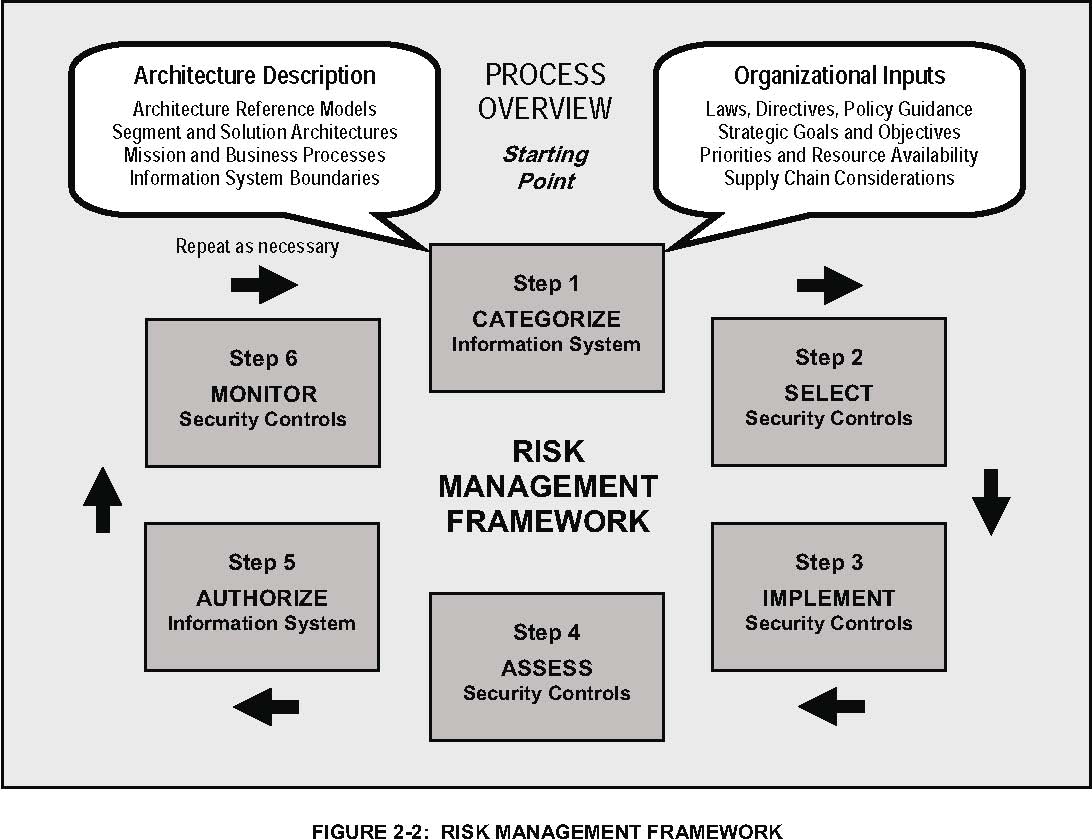
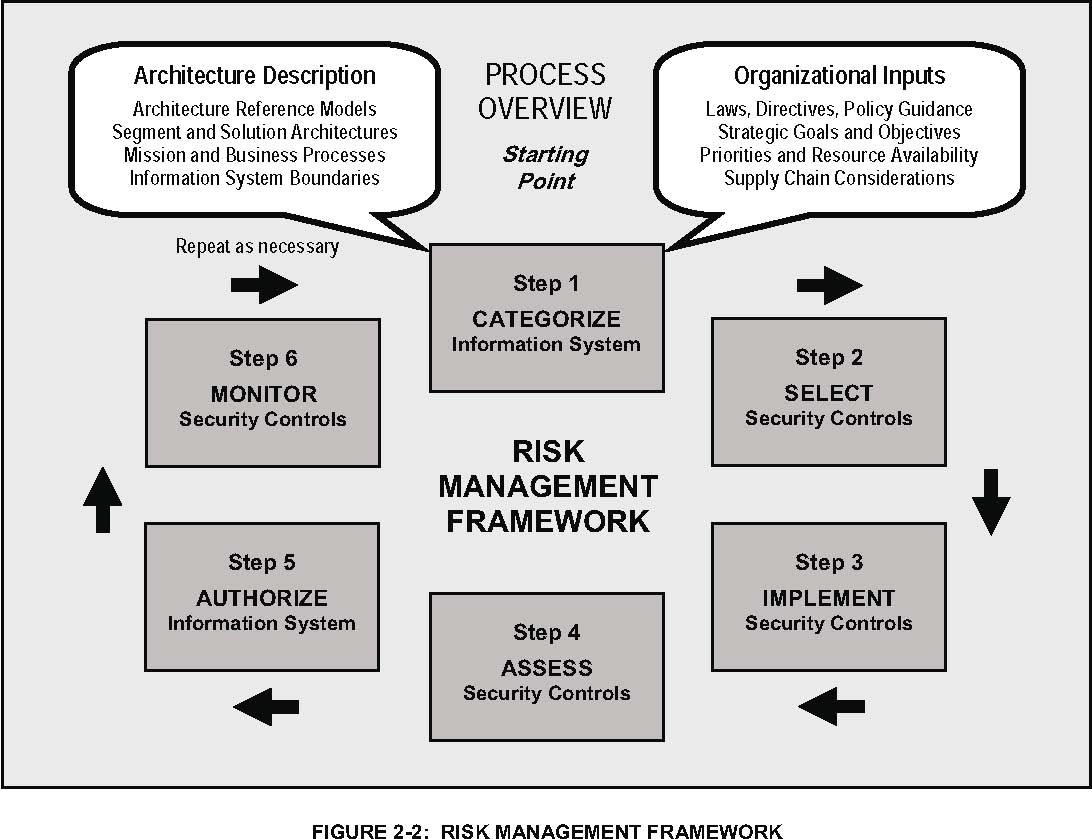
The NIST AI RMF is built on the core premise that AI systems are sociotechnical—meaning they are shaped by both the technology itself and the human environment in which they operate. The framework is divided into four main functions: Govern, Map, Measure, and Manage.
- Govern: Establishing a culture of risk management. It involves defining organizational policies, identifying who is accountable for AI decisions, and ensuring legal and ethical alignment.
- Map: Identifying the context of the AI system. This means defining the intended use, identifying potential stakeholders, and recognizing the limitations of the data and environment where the AI will function.
- Measure: The quantitative and qualitative assessment of the AI. This is where you test for bias, performance metrics, explainability, and safety using empirical evidence.
- Manage: Prioritizing and addressing risks. It involves deciding which risks to avoid, mitigate, transfer, or accept based on the findings from the Measure stage.
Step-by-Step Guide
- Establish the Governance Foundation: Before writing a single line of code, form an AI Risk Council. This group should include product owners, data scientists, and legal experts. Define a “Trustworthiness Charter” that outlines what ethical risks (e.g., bias, privacy loss) the company refuses to accept.
- Incorporate Mapping in the Requirements Phase: During the discovery phase of the PDLC, conduct a “Contextual Mapping” exercise. Document the AI’s lifecycle, from data ingestion to model deployment. Ask: Who is the most vulnerable user of this system? What happens if the output is wrong? Documenting these answers is your first line of defense.
- Integrate Measurement into the CI/CD Pipeline: Treat AI risk measurement as an automated unit test. Implement performance monitoring that tracks not just accuracy, but also fairness metrics (e.g., Disparate Impact Ratio) and robustness checks (e.g., adversarial testing) every time a model is retrained or updated.
- Manage via Feedback Loops: Risk management is not a one-time gate. Create a “Human-in-the-Loop” (HITL) protocol. If your AI handles sensitive decisions, ensure that humans can override or audit AI recommendations based on clear threshold triggers identified during the Mapping phase.
- Document and Iterate: Use a standardized “AI System Log.” This document should track all decisions made during development. If a model drifts or performs unexpectedly, this log serves as your audit trail for internal review or regulatory inquiries.
Examples and Case Studies
Consider a financial services firm developing a credit scoring model. By using the NIST AI RMF, they avoid common pitfalls by implementing the Map function early. They realize that their training data is historically biased toward specific zip codes. Instead of simply pushing the model to production, the team uses the Measure function to stress-test the model against diverse demographic groups. They identify that the model is penalizing applicants in low-income areas unfairly. Consequently, the Manage function leads them to retrain the model with synthetic data or apply a constraint-based algorithm to equalize the loan approval rates across demographics, effectively neutralizing the risk before launch.
The NIST AI RMF turns a subjective ethical discussion into a repeatable engineering process. By treating risk as a performance metric, technical teams gain clarity on when a model is “ready for production” beyond just accuracy scores.
Common Mistakes
- Treating it as a “Check-box” Exercise: Viewing the framework as a compliance hurdle rather than a development tool. If the RMF is not integrated into Jira or your ticketing system, it will be ignored by engineers under delivery pressure.
- Underestimating Data Provenance: Ignoring where data comes from. High-quality risk management is impossible if the training data is dirty, biased, or violates privacy regulations.
- Lack of Cross-Functional Communication: Leaving risk management solely to the data scientists. Product managers and legal experts must be involved to define what “acceptable risk” looks like from a business and societal perspective.
- Static Risk Assessment: Assuming a model is safe forever. AI systems drift as data changes. Failing to re-evaluate risk after deployment is a recipe for long-term disaster.
Advanced Tips
To truly mature your AI risk integration, move toward Red Teaming. This involves intentionally tasking an independent internal team (or external firm) to “break” your model. Ask them to find ways to force the model into producing harmful or incorrect outputs. This stress-testing provides the most accurate view of your AI’s resilience.
Furthermore, adopt Explainability by Design. Instead of using “black box” models for high-stakes decisions, prioritize model architectures that provide interpretable features. NIST emphasizes that users are more likely to trust an AI—and identify errors within it—when they can understand the logic behind the output. Documenting the “Why” behind a prediction is as important as the prediction itself.
Conclusion
Integrating the NIST AI RMF into your product development lifecycle is not merely about compliance—it is about building sustainable, high-performing systems. By embedding Govern, Map, Measure, and Manage into your daily workflows, you move your organization toward a culture where transparency and reliability are standard practices rather than costly add-ons.
The future of AI belongs to companies that can demonstrate their systems are safe and accountable. Start by identifying your most critical AI system today, map its potential failure points, and begin measuring against them. Your users, your stakeholders, and your brand will be stronger for it.




Leave a Reply