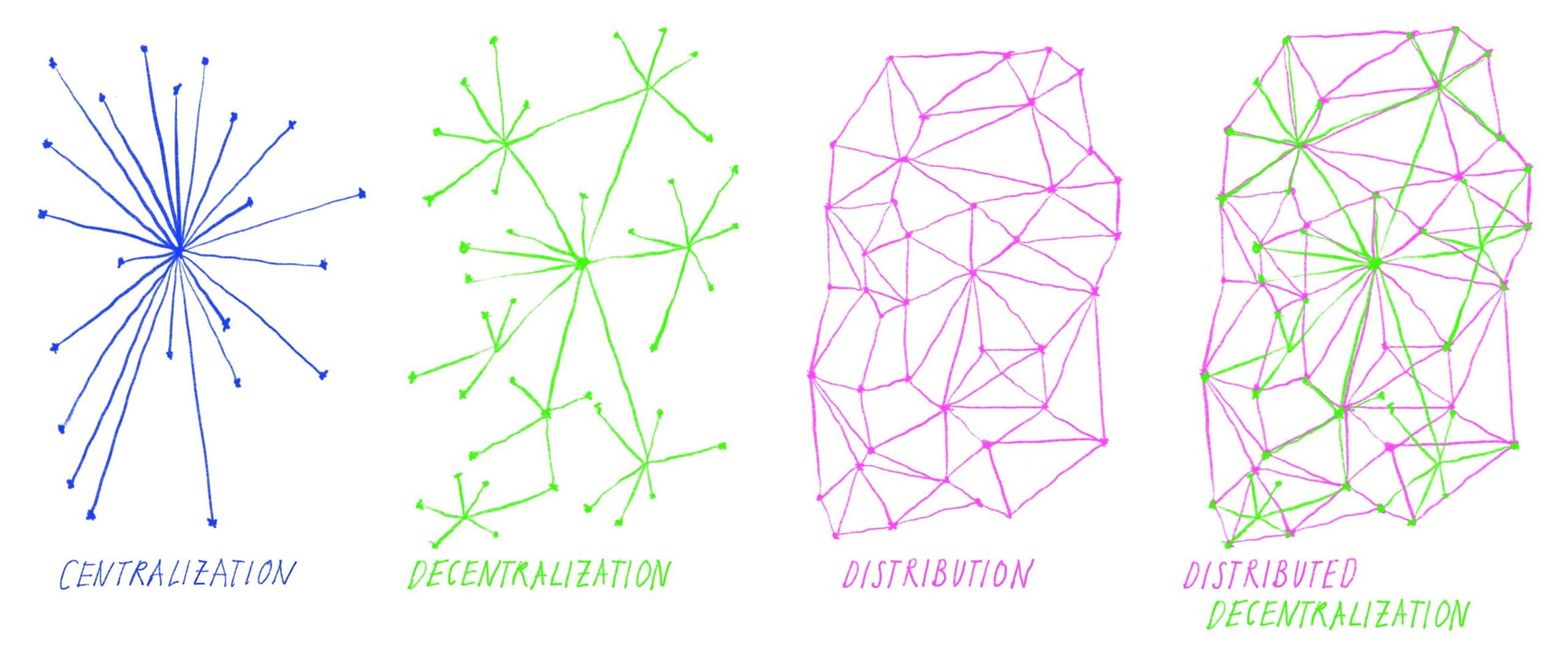
Decentralized development teams face challenges in harmonizing disparate safety protocols across international branches.
— by
Steven Haynes
Bridging the Divide: Harmonizing Global Safety Protocols in Decentralized Development Teams
Introduction
In the modern era of software engineering, the sun never sets on development. Teams are spread across continents, time zones, and regulatory jurisdictions. While this decentralization offers access to a global talent pool and 24/7 productivity, it introduces a critical friction point: the fragmentation of safety and security protocols. When a team in Berlin operates under strict GDPR-aligned data handling rules, while a satellite office in Southeast Asia follows a different set of regional compliance standards, the resulting “safety drift” creates systemic vulnerabilities.
Harmonizing these disparate protocols is not merely a bureaucratic hurdle; it is a fundamental requirement for operational resilience. Left unaddressed, fragmented protocols lead to security silos, inconsistent code quality, and increased liability. This article explores how leadership can move beyond fragmented local policies to create a unified, scalable safety framework that empowers global teams rather than hindering them.
Key Concepts
To navigate this challenge, we must define the core pillars of global safety harmonization:
Regulatory Baseline (The Floor): The absolute minimum safety standards required by law (e.g., GDPR, CCPA, HIPAA). These are non-negotiable and must be applied globally regardless of the branch location.
The Unified Security Schema: A centralized repository of best practices that translates regional requirements into a universal language of code standards and deployment protocols.
Contextual Sovereignty: Recognizing that while security standards must be universal, the implementation details must respect regional technical infrastructure and cultural operational norms.
Compliance-as-Code: The shift from manual audits to automated testing where security benchmarks are embedded directly into the CI/CD pipeline, ensuring that “safety” is a pre-condition for deployment.
Harmonization does not mean standardization of every process; it means the standardization of outcomes across diverse operational environments.
Step-by-Step Guide to Harmonizing Safety Protocols
Audit and Map the Variance: Begin by cataloging every safety policy currently in play across your branches. Use a matrix to identify where policies overlap, where they conflict, and where they contradict local laws.
Establish a Global “Gold Standard” Policy: Identify the strictest safety requirement among your branches and adopt it as the baseline for the entire organization. If one region has high encryption standards, lift the global baseline to meet those standards.
Create a Cross-Functional Harmonization Committee: Do not delegate this to IT alone. Include legal, HR, and lead developers from every regional branch to ensure that the new protocols are technically feasible and legally sound in every jurisdiction.
Centralize Knowledge with a “Single Source of Truth”: Replace fragmented wikis and Slack threads with a centralized, version-controlled documentation portal. This portal should clearly distinguish between “Global Mandatory Protocols” and “Region-Specific Addendums.”
Automate Enforcement via CI/CD: Shift the burden of enforcement from humans to the infrastructure. Integrate security scanning tools (SAST/DAST) into your build pipelines. If a code push violates the harmonized safety standard, the pipeline must block the deployment automatically.
Iterate with Regional Feedback Loops: Establish a quarterly review cycle where regional leads provide feedback on the friction caused by the global standards. Use this data to refine the policies, ensuring the framework evolves rather than stagnates.
Examples and Real-World Applications
Consider a multinational fintech firm with development hubs in New York, London, and Bangalore. The New York team is deeply integrated into US banking compliance, while the Bangalore team focuses on high-speed UI/UX iteration. A siloed approach meant the Bangalore team was inadvertently shipping code that lacked the necessary data-masking layers required by European auditors.
The firm solved this by implementing Compliance-as-Code. They introduced a shared library of “Security-Approved Components.” If a developer in Bangalore wanted to implement a user data form, they were required to use a pre-approved, pre-encrypted UI component from the company’s internal private repository. This removed the “safety burden” from the developer; by using the pre-approved tool, they were automatically in compliance with the group-wide safety mandate.
In another scenario, a cloud-native startup struggled with disparate access control policies. By adopting a “Global Identity Provider” (IdP) with strictly defined Role-Based Access Control (RBAC), they eliminated the confusion of regional IT admins setting their own permissions. Whether a developer logged in from Tokyo or London, their access levels were governed by the same global policy engine, reducing the risk of unauthorized data exposure.
Common Mistakes
The “One-Size-Fits-All” Fallacy: Ignoring regional nuances leads to “policy fatigue.” If a policy is logically impossible to implement in a specific country due to local infrastructure, developers will find workarounds, rendering the policy useless.
Over-Reliance on Manual Audits: Relying on spreadsheets and annual checklists for global teams is ineffective. By the time a report is filed, the codebase has already changed. Safety must be real-time.
Communication Silos: Introducing a new global policy without explaining the “why” often triggers resistance. Developers need to understand how safety protocols protect them and the company, rather than viewing them as a speed bump in their development workflow.
Underestimating Cultural Differences: Some cultures prioritize strict top-down adherence, while others thrive on collaborative debate. Failing to adjust the rollout strategy for these different professional cultures can lead to uneven adoption rates.
Advanced Tips for Decentralized Governance
To truly mature your safety posture, focus on developer experience (DevEx). When developers view safety as a constraint, they will bypass it. When they view safety as a “guardrail” that prevents them from breaking things, they will embrace it.
Implement “Security Champions” in every branch: Instead of relying on a centralized security team, identify one developer in each branch to act as the “Security Champion.” This person acts as a bridge, ensuring that the global strategy is understood locally and that local challenges reach the central leadership.
Use Policy-as-Code (PaC) Engines: Tools like Open Policy Agent (OPA) allow you to write security policies as code. These policies can be version-controlled, tested, and deployed just like your application software. This allows you to update global safety protocols across all branches with a single Git push, ensuring total consistency in real-time.
Reward Security Excellence: Gamify compliance. Recognize teams that maintain the highest “safety score” or successfully migrate the most legacy code to the new, harmonized standards. Positive reinforcement is far more effective at creating a culture of safety than punitive audits.
Conclusion
Harmonizing safety protocols across decentralized teams is an ongoing exercise in balance. It requires the courage to mandate a global baseline and the humility to listen to the regional teams who face the daily operational realities of that mandate. By shifting the burden of compliance from the developer’s memory to the infrastructure’s code, organizations can build a system that is both strictly secure and globally agile.
Start small: identify the one safety protocol that causes the most friction across your branches. Apply the principles of automation, centralize the documentation, and involve your regional stakeholders. Remember that a global safety framework is not a static destination, but a collaborative process that grows and hardens alongside your organization.





Leave a Reply