Cross-sector governance requires a harmonized approach to AI safety across public and private domains.
— by
Steven Haynes
Contents
1. Introduction: The AI divergence problem (Public vs. Private silos).
2. Key Concepts: Defining “Cross-Sector Governance” and “Harmonized AI Safety.”
3. Step-by-Step Guide: How to build a unified framework.
4. Examples/Case Studies: Examining the EU AI Act vs. NIST framework interplay.
5. Common Mistakes: Where organizations go wrong (e.g., “Compliance-first” thinking).
6. Advanced Tips: Moving from static audits to dynamic, cross-organizational safety loops.
7. Conclusion: The competitive advantage of safety.
***
Bridging the Divide: Why Cross-Sector Governance is Essential for AI Safety
Introduction
Artificial Intelligence is not contained by organizational charts or industry borders. An AI model developed in a private-sector lab may eventually power critical public infrastructure, influence financial markets, or shape healthcare outcomes. Yet, despite this deep interconnectedness, AI governance remains fragmented. We currently see a disconnect between private-sector innovation cycles and public-sector regulatory oversight.
When the private sector prioritizes speed-to-market while the public sector chases a “catch-up” regulatory strategy, we create systemic vulnerabilities. Harmonized cross-sector governance is no longer a bureaucratic preference; it is a fundamental requirement for risk mitigation. To ensure AI serves the public interest while fostering economic growth, we must move toward a shared language of safety, accountability, and technical standards.
Key Concepts
Cross-Sector Governance refers to the collaborative development of frameworks, protocols, and oversight mechanisms that span both government entities and private corporations. It moves away from the “us versus them” mentality, shifting toward a co-regulatory model.
Harmonized AI Safety is the synchronization of safety benchmarks. Currently, a bank might use an internal rubric to audit its risk models, while a government regulator uses an entirely different set of metrics to evaluate the same technology’s impact on systemic financial stability. Harmonization means aligning these definitions of “risk,” “bias,” and “failure” so that safety isn’t a moving target.
True harmonization occurs when the “safety floor”—the baseline requirements for deploying AI—is recognized and accepted by both the private enterprise developing the model and the public body governing the sector.
Step-by-Step Guide: Building a Unified Safety Framework
Organizations and regulatory bodies can begin bridging this gap by following a structured, iterative approach:
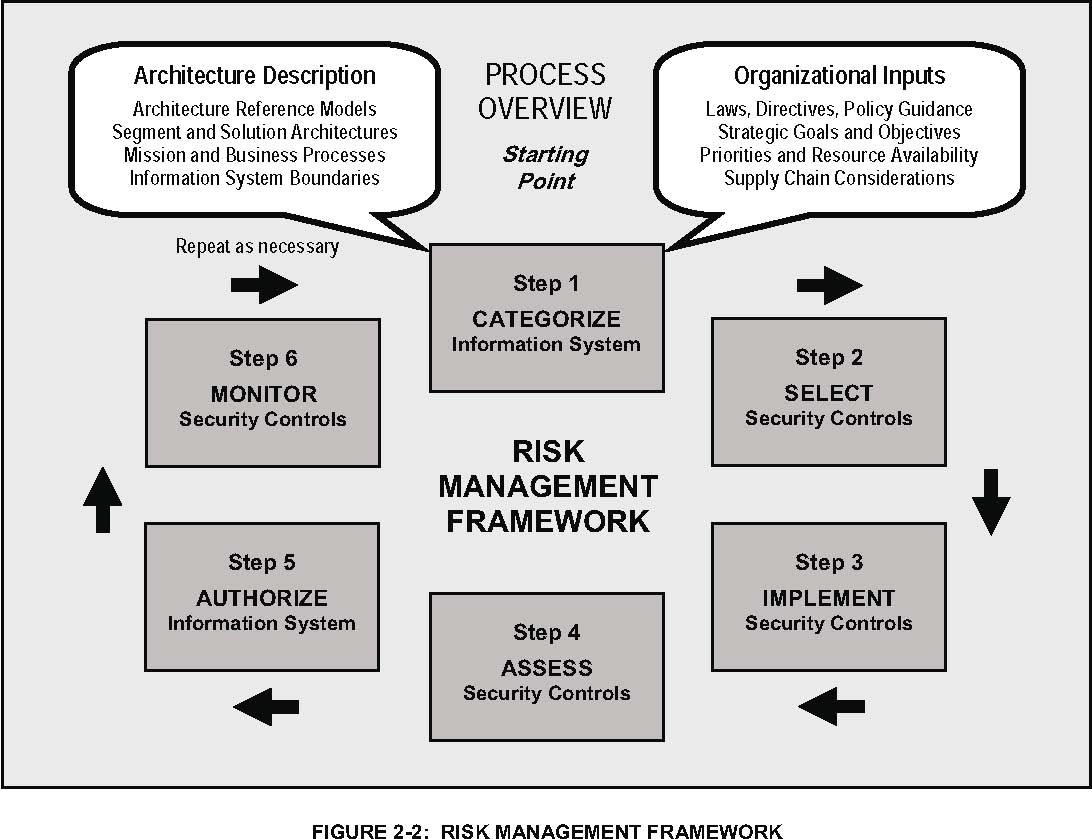
Establish Common Taxonomies: Start by defining AI risk in the same language. Use existing standards like the ISO/IEC 42001 or the NIST AI Risk Management Framework as a baseline. When both public and private sectors use the same terminology for “predictability,” “transparency,” and “robustness,” miscommunication drops significantly.
Implement Cross-Sector Sandboxes: Create regulatory sandboxes where private firms can test AI applications in real-world scenarios under the observation of public regulators. This allows for iterative safety improvements before a product is scaled nationwide.
Standardize Reporting Requirements: Instead of having companies fill out dozens of different compliance reports for different agencies, adopt a universal “AI Safety Disclosure” document. This transparency ensures regulators have the data they need without stifling the agility of the private sector.
Form Multi-Stakeholder Red Teams: Move away from internal-only testing. Incorporate public-sector technical experts into private-sector red-teaming exercises. This ensures that the scenarios being tested for safety are not just profitable, but socially robust and resilient against public-harm threats.
Adopt Continuous Monitoring Loops: Safety cannot be a one-time audit. Deploy automated oversight tools that feed data back to both the organization’s internal compliance team and relevant public regulators, creating a shared dashboard of system health.
Examples and Case Studies
The NIST/Private Industry Synergy: In the United States, the development of the NIST AI Risk Management Framework (RMF) serves as a successful example of cross-sector harmonization. By inviting private tech giants, startups, and public policy experts to the table, NIST created a voluntary framework that has become the gold standard. It provides a common language that both private enterprises use to build AI and public institutions use to evaluate it.
The EU AI Act and “Sandbox” Application: The European Union’s approach utilizes regulatory sandboxes to allow companies to experiment under supervision. This is a practical application of cross-sector governance: the state provides the testing ground, the private sector provides the innovation, and the outcome is a safer, legally compliant AI system that can be deployed across the continent without the threat of sudden regulatory bans.
Common Mistakes
“Check-the-Box” Compliance: Many organizations treat AI safety as a legal hurdle rather than a technical necessity. This leads to documentation that satisfies the law but does nothing to stop model hallucinations, bias, or data drift.
Lack of Technical Literacy in Governance: Governance bodies that lack deep engineering expertise often draft rules that are technically impossible to implement. Conversely, private companies that exclude social scientists and ethicists from their development teams fail to see the societal risks of their products.
Operating in Silos: Failing to share “near-miss” data. If a financial firm experiences an AI glitch, that information is often treated as a trade secret. A harmonized approach encourages the sharing of anonymized safety data so that the entire sector can avoid the same pitfall.
Advanced Tips
To truly excel at cross-sector governance, organizations should transition from static auditing to Dynamic Risk Mapping. Instead of auditing a system every quarter, integrate automated safety telemetry into your CI/CD pipeline. This provides regulators with real-time visibility into the health of an AI system.
Furthermore, focus on Interoperability of Standards. If your organization operates in multiple jurisdictions, map your internal safety policies to the most stringent international standards (like the EU AI Act) rather than the lowest common denominator. This “highest common factor” approach future-proofs your operations against shifting public policy, ensuring that your systems remain compliant regardless of where you do business.
Finally, leverage Third-Party Validation. Private corporations should actively seek public-private partnerships (PPPs) that allow third-party researchers and public oversight bodies to audit their safety protocols. This builds public trust, which is the most valuable currency in the AI era.
Conclusion
Harmonized AI governance is the bridge between the chaotic potential of frontier technologies and the stability required for societal progress. By aligning language, testing protocols, and transparency standards, the public and private sectors can stop operating at cross-purposes.
Effective AI safety is not a restriction on innovation; it is the infrastructure upon which innovation can thrive. Organizations that embrace a proactive, collaborative, and harmonized approach to safety will not only be more compliant—they will be more resilient, more trustworthy, and better positioned to lead in a future defined by intelligent systems.
The Trust Deficit: Why Technical Alignment Isn’t Enough for AI Governance – TheBossMind
[…] psychological architecture of the people building and regulating these systems. When we discuss why cross-sector governance requires a harmonized approach, we are essentially talking about the need for a shared language of risk—a common cognitive […]





Leave a Reply