
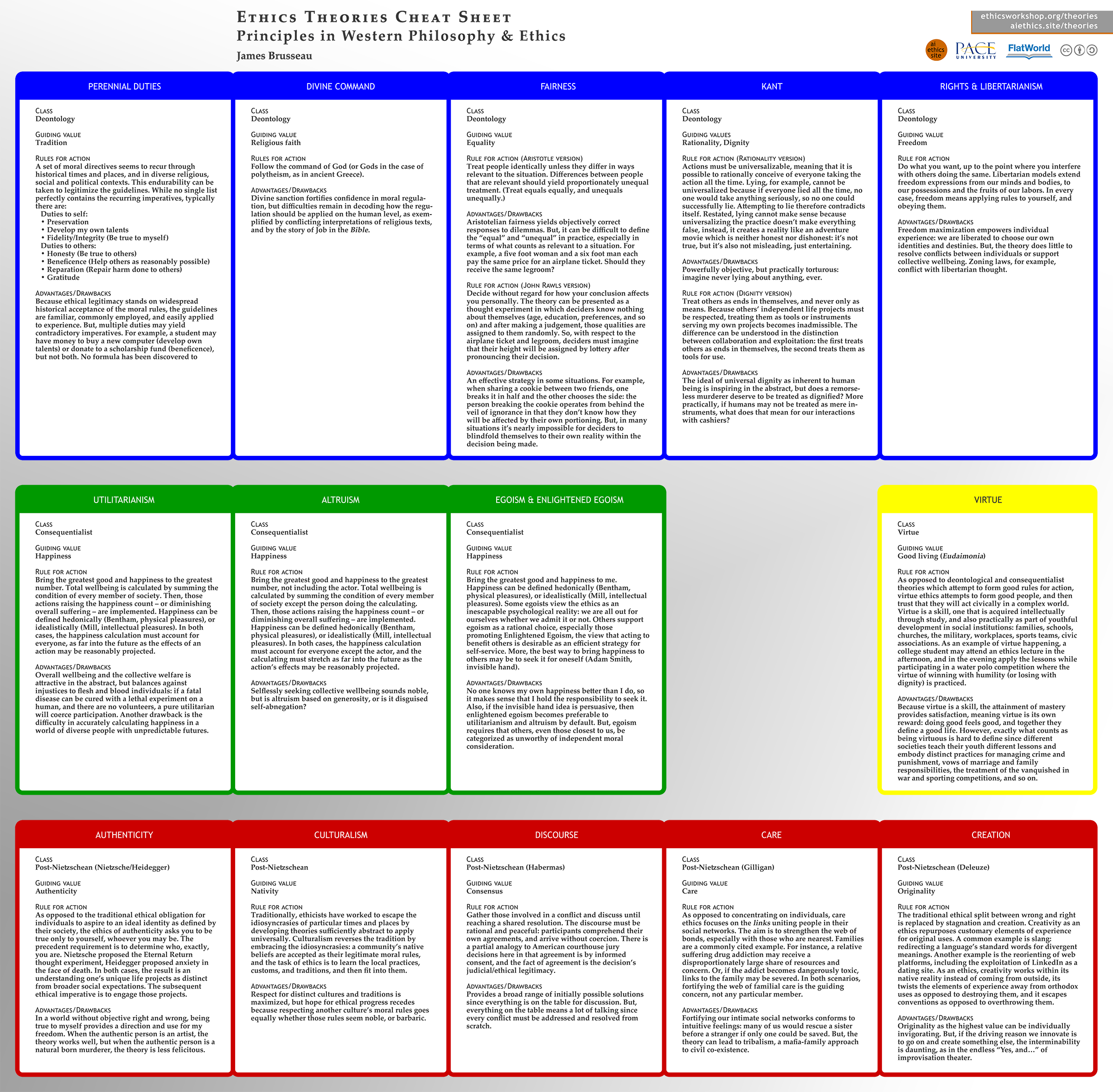
The Architecture of Accountability: Why Moral Agency Demands Intentionality
Introduction
We often treat “being a good person” as a matter of habit or personality. Yet, true moral agency—the ability to act as a responsible individual in an ethical framework—is not a passive trait. It is an active, cognitive, and intentional process. Without the capacity to distinguish between right and wrong, and more importantly, the intentionality to act upon that distinction, an individual is merely a reactor to environmental stimuli rather than a self-governed agent.
In a world of increasing complexity, where digital interactions often strip away the visceral feedback of our choices, the muscle of moral agency is atrophying. Understanding this concept is no longer just a philosophical exercise; it is a practical necessity for professional integrity, healthy relationships, and personal fulfillment. This article explores how to move beyond moral autopilot and cultivate a deliberate, intentional approach to ethical life.
Key Concepts: Defining Moral Agency
Moral agency rests on two primary pillars: discernment and intentionality. Discernment is the cognitive capacity to weigh competing values and situational factors against a moral framework. Intentionality is the exercise of the will to translate that judgment into a specific course of action.
To be a moral agent, one must possess:
- Autonomy: The ability to act according to one’s own reasons rather than mere social pressure or impulse.
- Reflexivity: The capacity to examine one’s own motives, biases, and the potential consequences of one’s actions.
- Accountability: The willingness to accept the outcome of one’s choices as one’s own responsibility.
True moral agency is not found in the absence of temptation, but in the deliberate selection of the virtuous path when the easier, more expedient route is available.
Step-by-Step Guide to Cultivating Moral Agency
Building moral agency is akin to building a physical skill. It requires deliberate practice and a structured approach to decision-making.
- Define Your Core Values: You cannot act intentionally if you do not know what you stand for. Write down your top three to five moral anchors—such as integrity, compassion, or autonomy—and define what they look like in practice, not just in theory.
- Create a “Pause Protocol”: Moral failures often occur in the “gap” between a stimulus and a response. When faced with a choice, force a pause. Ask yourself: “Is this action consistent with my core values, or am I reacting to fear, convenience, or social pressure?”
- Conduct a Consequences Audit: Before acting, project the ripples of your decision. Who is impacted? If your action became a universal law—if everyone did exactly what you are about to do—would the world be more stable or more chaotic?
- Practice Radical Ownership: After an action is taken, regardless of the outcome, own it. Avoid the “displacement of responsibility” (e.g., “I only did it because my boss told me to”). Even when under pressure, recognize that you made the choice to comply.
- Engage in Moral Reflection: At the end of each week, review one significant decision. Did you act with intentionality, or did you fall into the trap of convenience? Use these reflections to adjust your future behavior.
Examples and Case Studies
The Corporate Environment: Consider an employee who discovers a minor accounting discrepancy that technically falls within a gray area. A passive employee might ignore it, thinking, “It’s not my department, and the company will just bury it anyway.” A moral agent recognizes the potential for systemic rot and intentionally brings it to the attention of leadership, accepting the social friction that may follow.
Digital Interaction: Consider a heated debate on social media. The impulsive reaction is to draft an insulting reply to “win” the argument. A moral agent pauses, recognizing that the intention of the post is not truth-seeking but validation-seeking. They choose to remain silent or offer a constructive, bridge-building comment. The difference between the two is the shift from impulsive reaction to intentional engagement.
Common Mistakes in Moral Decision-Making
Even well-intentioned individuals frequently sabotage their own moral agency. Avoiding these traps is essential for growth.
- Moral Decoupling: This occurs when we separate our personal values from our professional or public lives. We convince ourselves that “business is business,” allowing us to act unethically in one domain while claiming to be “good” in another.
- Diffusion of Responsibility: When part of a group, we often assume that if no one else is acting, the situation must not be dire. This “bystander effect” is the death of moral agency.
- Rationalization: Using language to obscure the moral weight of an action. Phrases like “everyone is doing it,” or “it’s just a small lie,” are tools the brain uses to bypass the discomfort of unethical behavior.
- Emotional Hijacking: Acting entirely on the basis of anger, resentment, or fear. Moral agency requires that our rational brain remains in the driver’s seat, even when our emotions are running high.
Advanced Tips: Deepening Your Moral Resolve
To reach a more sophisticated level of moral agency, you must move beyond rule-following. Rules provide a baseline, but true agency involves developing moral imagination.
Develop Moral Imagination: This is the ability to envision multiple creative possibilities in a situation that appears to be a binary “lesser of two evils” choice. Often, we feel trapped by a dilemma because we lack the creativity to propose a third, more ethical option that addresses the needs of all parties.
Cultivate Intellectual Humility: Recognize that your moral judgment is fallible. A sophisticated moral agent is always open to new information and willing to change their mind. This prevents the stagnation of dogma, where an individual confuses “being right” with “acting ethically.”
Seek Constructive Friction: Surround yourself with people who challenge your perspective. An echo chamber is the enemy of intentionality. To strengthen your moral muscle, you need to test it against diverse viewpoints that force you to articulate and defend your ethical reasoning.
Conclusion
Moral agency is the bedrock of a life lived with meaning and purpose. It is the capacity to transition from being a product of our circumstances to being the architect of our character. By consciously distinguishing right from wrong and grounding our choices in deliberate intent, we regain sovereignty over our actions.
Remember that this is not a one-time achievement. It is a daily practice of reflection, ownership, and courageous decision-making. Start by defining your values, committing to the pause, and refusing to hide behind the excuses of convenience. In doing so, you move beyond the status of a passive participant and step into the role of an authentic, responsible human being.


Leave a Reply