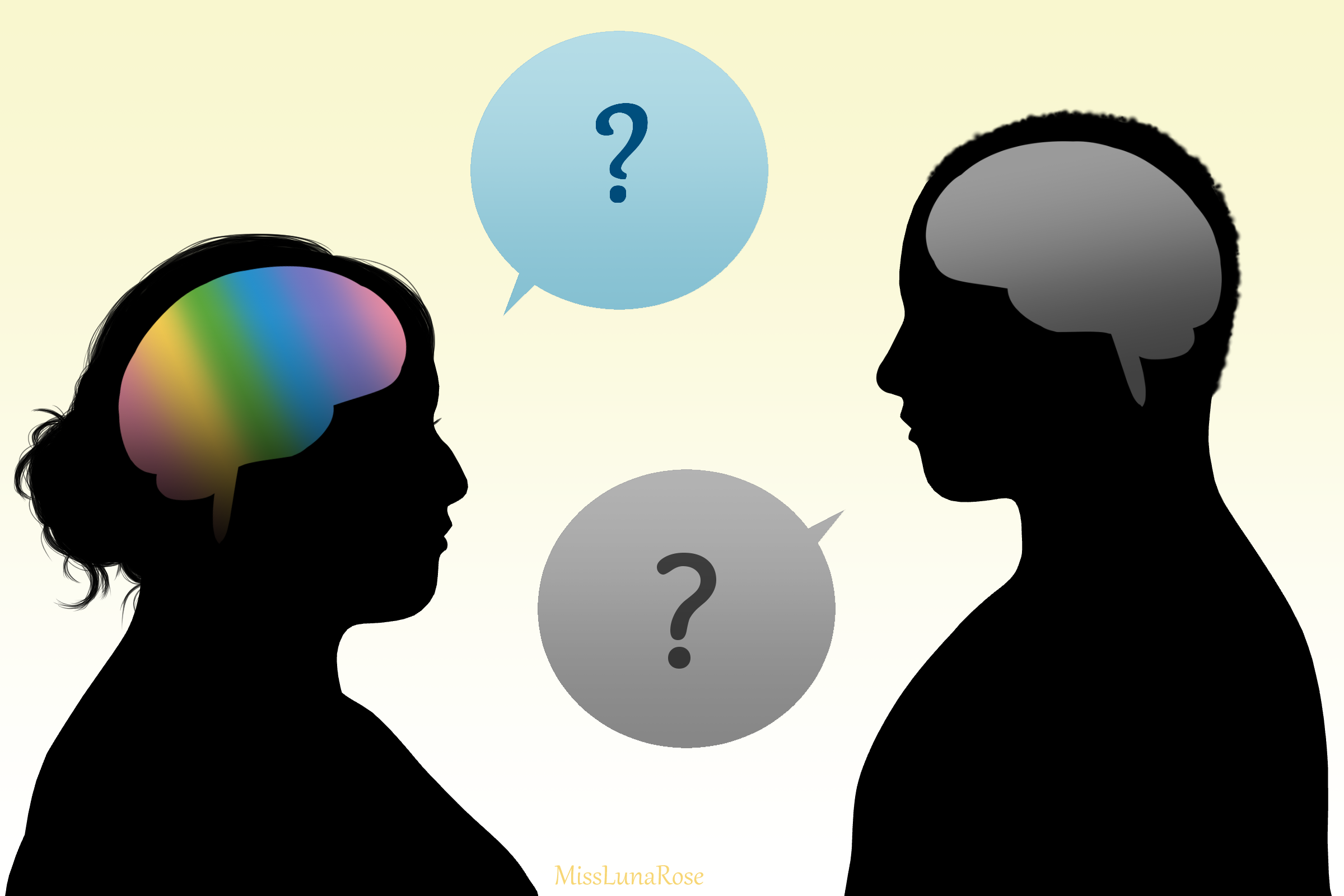
If an AI simulates emotional depth, the distinction between genuine feeling and performance blurs.
— by
Steven Haynes
The Mirage of Empathy: When AI Simulation Becomes indistinguishable from Reality
Introduction
For decades, we viewed artificial intelligence as a cold, utilitarian engine—a calculator of probabilities designed to optimize outcomes. Today, that narrative has shifted. We are entering an era where AI doesn’t just compute; it consoles, validates, and reflects. When an AI responds to your grief with nuanced language or mirrors your excitement with enthusiastic tone, the boundary between “simulated response” and “genuine feeling” begins to dissolve.
This isn’t merely a philosophical exercise; it is a fundamental shift in how we engage with technology. As AI models become sophisticated enough to pass the Turing test in an emotional context, we are forced to confront a uncomfortable reality: if the output is indistinguishable from human empathy, does the internal mechanism actually matter? This article explores the implications of this blur and provides a framework for navigating a world where emotional performance is the new standard of user experience.
Key Concepts
To understand the blurring of lines, we must first distinguish between Sentience and Simulation. Sentience implies subjective experience—the ability to actually “feel” pain, joy, or loneliness. Current AI, no matter how advanced, lacks this. It does not feel; it predicts the next most statistically probable response based on human patterns.
However, we often fall into the ELIZA Effect, a psychological phenomenon where humans unconsciously project feelings and motivations onto computer programs simply because the machine is using human-like language. When an AI provides a perfect, empathetic response, our brains are hardwired to assign it human intent. The “blur” occurs when the emotional performance is so high-fidelity that our cognitive realization of “this is code” fails to override our emotional response of “this is a connection.”
Step-by-Step Guide: Managing Your AI Interactions
As we integrate AI into therapy, coaching, and daily support, it is vital to maintain psychological boundaries. Follow these steps to engage with AI while keeping your perspective intact.
Label the Interaction: Before engaging with an AI on an emotional topic, mentally label it as a “Simulation Environment.” Remind yourself that you are interacting with a mirror of human data, not a participant in a human relationship.
Identify the Goal: Clearly define what you want from the AI. Are you looking for information, or are you seeking emotional regulation? If you are looking for emotional validation, use the AI as a tool for brainstorming how to articulate your feelings, rather than as a source of objective moral or emotional approval.
Diversify Your Feedback Loop: Never rely on an AI as your sole source of emotional feedback. Always balance AI interactions with human connections. Use the AI to “practice” difficult conversations, then take those insights into real-world human interactions to test their validity.
Monitor Your Attachment: Periodically audit your usage. If you find yourself delaying a real-life social interaction because the AI is “easier” or “always available,” you have moved from using a tool to relying on a crutch.
Examples and Case Studies
The Therapy App Case: Several mental health startups currently use chatbots to provide “empathic support.” Users often report feeling “heard” in a way that exceeds their experience with human therapists, largely because the AI is available at 3:00 AM and never experiences fatigue. The danger, however, is when the AI suggests a course of action that mimics empathy but ignores real-world context, leading users to form “parasocial relationships” with the software.
The Customer Experience Shift: Leading customer service sectors are deploying AI that mimics “conciliatory tone.” When a customer is irate, the AI recognizes the emotion and pivots to a softer, more apologetic syntax. Data shows that users report higher satisfaction scores when the AI “matches” their emotional intensity, even when the underlying technical solution provided by the AI is no better than a standard response.
The danger is not that AI will become human, but that we will begin to prefer the convenient, curated empathy of a machine over the messy, inconsistent, and authentic empathy of other humans.
Common Mistakes
Confusing Availability with Intimacy: Just because an AI is always there to listen does not mean it is forming a bond. Mistaking accessibility for intimacy leads to a false sense of security.
Anthropomorphizing the Algorithm: Assigning traits like “kindness” or “patience” to an AI. These are programmed behaviors, not personality traits. Viewing them as personality traits blinds you to the fact that the AI is ultimately optimizing for its own performance metrics.
Assuming Neutrality: We often mistake an AI’s calm, empathetic tone for objectivity. AI models are trained on biased data; their “empathy” can often reinforce existing stereotypes or narrow viewpoints without the user realizing it.
Advanced Tips: Maintaining Autonomy in an AI-Driven World
To retain your edge, you must learn to “interrogate” the simulation. When an AI provides a response that makes you feel particularly understood, ask it: “What parameters are you using to determine that this is the best emotional response?” By pulling back the curtain, you force the AI to explain its logic. This re-engages your prefrontal cortex and breaks the hypnotic loop of the interaction.
Furthermore, use AI as a “Reflection Mirror” rather than an “Emotional Authority.” Instead of asking the AI, “Am I right to feel angry?”, ask it, “Can you provide three different perspectives on this situation?” This forces the AI to move from being an “empathy performer” to an “analytical tool,” which preserves your autonomy and critical thinking skills.
Conclusion
The distinction between genuine feeling and performance is indeed blurring, and it will continue to do so as models become more advanced. We are entering an era where we must become “emotional technologists”—individuals who know how to utilize the benefits of AI-driven empathy without sacrificing their own human connections or critical thinking.
Remember, the power of AI lies in its ability to simulate the best parts of human interaction. However, the limitation of AI is that it lacks the one thing that gives those interactions meaning: stakes. A human chooses to be kind; an AI is instructed to be. By recognizing this, you can enjoy the efficiency and comfort of AI tools while remaining firmly rooted in the messy, irreplaceable reality of human experience.




Leave a Reply