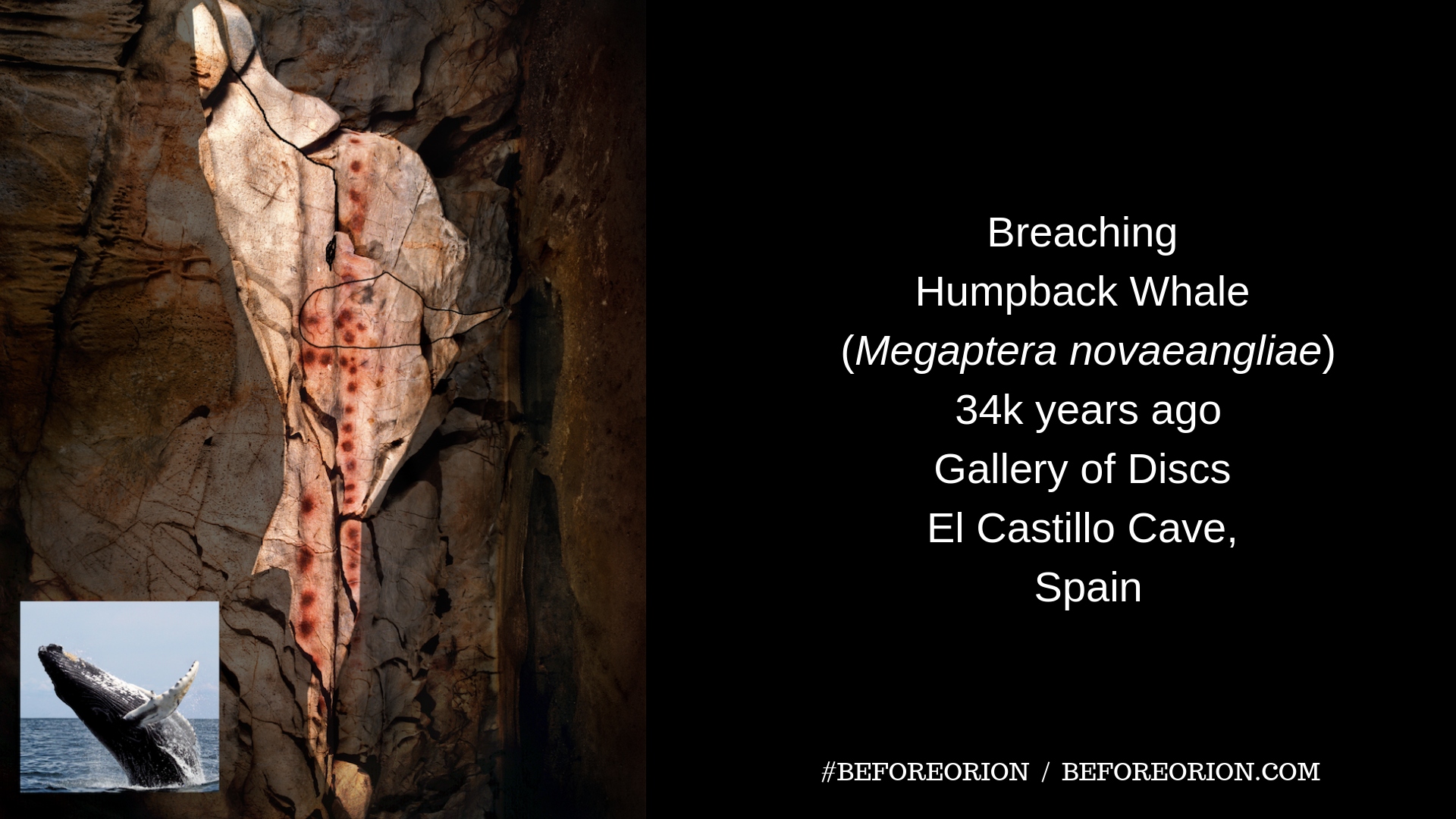
The history of animism provides a historical precedent for attributing spirits to non-living objects.
— by
Steven Haynes
Outline
Introduction: Defining animism and its shift from a “primitive” label to a sophisticated philosophy of interconnectedness.
Key Concepts: The “Personhood” of objects, reciprocal relationships, and the removal of the human-centric hierarchy.
Step-by-Step Guide: How to cultivate an animistic perspective in modern professional and personal environments to enhance creativity and stewardship.
Examples: Case studies in environmental conservation and “object-oriented” design thinking.
Common Mistakes: Anthropomorphism vs. Animism; the trap of emotional projection.
Advanced Tips: Applying animistic logic to ethical decision-making and sustainable systems.
Conclusion: Bridging ancient wisdom with future-ready cognitive frameworks.
Beyond the Inorganic: What Animism Teaches Us About Our Relationship with the World
Introduction
For centuries, Western academic discourse dismissed animism—the belief that objects, places, and creatures all possess a distinct spiritual essence—as a primitive misunderstanding of the world. It was viewed as a developmental stage that humanity eventually “outgrew” in favor of cold, objective materialism. However, as we face an era defined by environmental degradation and the rapid rise of artificial intelligence, this ancient worldview is experiencing a profound intellectual renaissance.
Animism is not about literal ghosts in teacups; it is a sophisticated framework for recognizing that the world is composed of “subjects” rather than mere “objects.” By exploring the historical precedent of attributing spirit to the inanimate, we can uncover a practical strategy for navigating a modern world where our relationship with technology, resources, and nature is increasingly fractured. Reclaiming this perspective allows us to move from a culture of extraction to one of partnership.
Key Concepts: The Ontology of Personhood
At the heart of animism lies the concept of relational ontology. In a materialist worldview, an object is defined by its utility: a hammer is for hitting, and a river is a source of hydroelectric power. In an animistic framework, these things are recognized for their own “agency.” This does not mean a hammer has thoughts in the human sense, but rather that it occupies a role in a web of relationships.
The core shift here is the move from human-centric hierarchy to interconnected participation. If we view a mountain not as a resource deposit but as a participant in the landscape’s ecology, our approach to mining it changes. This is not mere superstition; it is a cognitive discipline. It forces the observer to acknowledge the history, durability, and “vibe” of an object. When you attribute a form of “spirit” or “integrity” to a tool, a building, or a natural site, you naturally begin to treat that entity with greater care and foresight.
You do not need to adopt a specific religious doctrine to benefit from an animistic lens. Follow these steps to apply this framework to your daily decision-making and problem-solving processes.
Inventory your surroundings: Identify the five objects you interact with most frequently (e.g., your computer, your car, a specific chair).
Trace the lineage: Research the materials that make up these objects. Where did the metal come from? What labor went into its assembly? By understanding the history of an object, you recognize it as a collection of gathered energies rather than a static product.
Establish a protocol of care: Treat the object as if it has a “threshold of endurance.” This is a practical application: if you recognize your computer as a partner rather than a disposable appliance, you maintain it better. You clean it, you manage its software load, and you respect its limits.
Practice “active listening” to spaces: When entering a room or a forest, pause to notice how the environment dictates your behavior. Does a room feel “tight” or “expansive”? By acknowledging the agency of a space, you become more mindful of how you inhabit it.
Define your reciprocity: Ask yourself, “What does this object or place require from me to maintain its integrity?” This creates a feedback loop of stewardship.
Examples and Case Studies
The Rights of Nature Movement: In recent years, nations like New Zealand and Ecuador have granted legal “personhood” to rivers and forests. By legally enshrining the idea that a river has a spirit (or legal standing equivalent to a person), these societies are forcing a shift in how corporations treat water systems. This is animism translated into jurisprudence.
Design Thinking and “Product Longevity”: High-end manufacturers of mechanical watches or artisanal furniture often discuss their products as having “character” or “soul.” Designers who view their work as entities that will outlive the consumer create products that are more durable, repairable, and cherished. They are designing for a legacy, acknowledging that the object will continue its “life” long after the transaction is complete.
Common Mistakes: Avoiding the Anthropomorphism Trap
When adopting an animistic view, people often fall into the trap of anthropomorphism—projecting human emotions and thoughts onto non-human things. It is crucial to distinguish between the two.
The Empathy Overload: You do not need to talk to your toaster as if it has feelings. Animism is about recognizing the essential nature of the thing, not pretending it is a human.
The Projection Fallacy: Assuming an object “likes” or “dislikes” you is a form of ego-inflation. True animism focuses on the object’s independence from your own psychology.
Ignoring the Material Reality: Don’t let the spiritual perspective blind you to technical realities. Acknowledging the “spirit” of a bridge does not replace the need for structural engineering and safety inspections.
Advanced Tips: Scaling Up to Systems Thinking
To deepen your practice, apply animistic principles to complex systems, such as corporate culture or urban planning.
The most sustainable systems are those where every component—human or otherwise—is treated as a stakeholder with a specific, vital role.
Systems Stewardship: View your workplace or organization as a living entity. If you consider the “spirit” of an organization to be the sum of its shared ethics and physical environment, you stop seeing employees as units of labor and start seeing them as vital, sentient nodes in a larger ecosystem. This reduces burnout and fosters long-term commitment.
Material Mindfulness: When making procurement decisions for a company, perform a “spirit audit.” Ask: “Does this material have the integrity to serve its purpose for years, or is it destined for a landfill?” Choosing materials with high “integrity” is a modern, secular way of honoring the animistic belief that objects carry the energy of their creation.
Conclusion
The history of animism provides us with more than just a glimpse into the past; it offers a roadmap for a more sustainable future. By moving away from the view that the world is a collection of dead matter waiting to be exploited, we can begin to see it as a vibrant network of participants.
Practicing animism today is a conscious choice to slow down, pay attention, and act with intention. Whether it is maintaining a tool with respect or advocating for the rights of a natural ecosystem, this perspective transforms how we exist within the world. We are not just users of objects; we are part of a continuous, living history. When we treat the world as if it matters, we eventually find that we have created a life—and a world—that is much more worth living in.





Leave a Reply