
Outline
- Introduction: The shift from religious insulation to global ethical cooperation.
- Key Concepts: Defining “The Ethical Baseline” and “Trans-national Morality.”
- Step-by-Step Guide: Implementing cross-faith dialogue in organizational and community settings.
- Real-World Case Studies: Examining the success of the Interfaith Alliance and the UN’s Multi-faith Advisory Council.
- Common Mistakes: Pitfalls like theological debate versus moral alignment.
- Advanced Tips: Moving from dialogue to joint social action (The “Action-First” Model).
- Conclusion: Summarizing the path to a shared global future.
The Global Moral Compass: How Cross-Faith Collaboration Builds a Unified Ethical Baseline
Introduction
In an increasingly fragmented world, the challenge of establishing universal standards for human rights, environmental stewardship, and social justice often hits a wall: a lack of a common vocabulary. While national laws attempt to codify behavior, they are often insufficient to address the deep-seated cultural and spiritual motivations that drive human action. True, sustainable progress requires an ethical baseline that transcends borders and political systems.
Cross-faith collaboration represents the most potent, yet underutilized, tool for forging this baseline. By moving past the “us versus them” narrative of religious history, diverse faith traditions are discovering that they share a core set of values—compassion, dignity, truth-telling, and stewardship. When these groups align, they do not just speak for their congregants; they speak for a universal humanity. Understanding how to leverage this collaboration is essential for leaders, activists, and policymakers who aim to drive global change.
Key Concepts
To navigate cross-faith collaboration, one must first distinguish between theological unity and ethical alignment. Theological unity attempts to merge different beliefs into one, which is rarely possible or even desirable. Ethical alignment, by contrast, is the process of identifying overlapping values that drive behavior, regardless of the underlying metaphysical justification.
The Ethical Baseline is a set of minimal moral requirements that participants agree to uphold for the sake of the common good. This baseline does not replace individual faith doctrines; instead, it acts as a “common denominator” platform. Whether the motivation for feeding the hungry comes from the Christian principle of the Imago Dei, the Islamic duty of Zakat, or the secular humanistic view of empathy, the action and the intended outcome remain the same.
Trans-national Morality is the understanding that certain moral truths—such as the prohibition of slavery or the duty to care for the vulnerable—are not confined by the borders of a nation-state. By rooting these concepts in shared faith perspectives, they gain a degree of legitimacy that purely legalistic or political frameworks often lack, making them more resilient against political shifts.
Step-by-Step Guide: Facilitating Cross-Faith Collaboration
Creating a functional, cross-faith ethical framework requires deliberate structure. Follow these steps to facilitate meaningful collaboration.
- Identify the Shared “Pain Point”: Start with a specific, non-theological issue that affects all parties equally, such as climate change, poverty, or refugee support. A shared problem provides a neutral ground where theological differences are sidelined in favor of practical solutions.
- Establish “Rules of Engagement”: Create a foundational agreement that the purpose of the collaboration is not to convert or debate theology. Define the goal clearly: to produce an actionable ethical stance on a specific issue.
- Map the Overlapping Values: Utilize the text and traditions of each faith to map how they support the project’s goal. For example, if the goal is reforestation, have Jewish participants share the concept of Bal Tashchit (do not destroy), while Islamic participants share the concept of Khalifah (stewardship).
- Draft a “Common Covenant”: Synthesize these shared values into a concise, plain-language document. This document acts as the ethical baseline for the specific initiative.
- Scale Through Joint Action: Move quickly from drafting documents to tangible impact. When people from different faiths work together in the field, the ethical baseline transitions from an abstract theory to a lived experience.
Examples and Case Studies
The Interfaith Rainforest Initiative (IRI) serves as a premier example of this process in action. The initiative brings together indigenous peoples, religious leaders, and environmental scientists to protect the world’s rainforests. By grounding environmental protection in the sacred duties of various religions, the IRI has been able to mobilize faith communities in Brazil, Colombia, and the Democratic Republic of Congo in ways that secular NGOs could not achieve alone.
Another compelling case is the United Nations Multi-faith Advisory Council. By institutionalizing the input of faith leaders into its Sustainable Development Goals (SDGs), the UN has recognized that reaching their 2030 targets is impossible without the “moral infrastructure” provided by faith groups. This partnership ensures that global policies are adapted to local cultural contexts through the lens of shared ethical values.
True collaboration is not about agreeing on the nature of the divine, but about agreeing on the dignity of the human.
Common Mistakes
- The Trap of Theological Debate: Allowing the conversation to turn into a comparison of doctrines. This inevitably leads to defensiveness and gridlock. If a debate begins, pivot back to the shared goal.
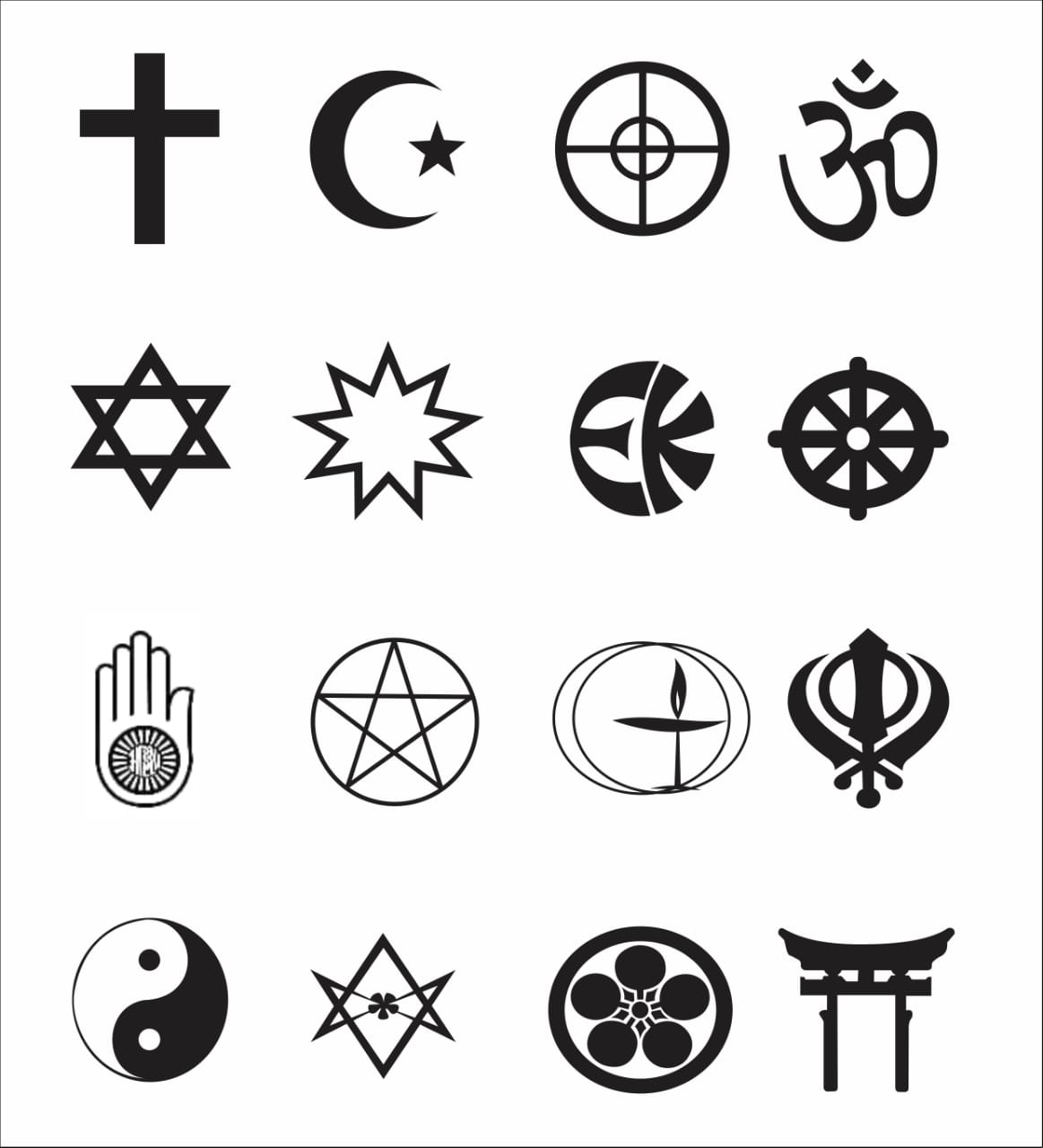
- Excluding Non-Abrahamic Traditions: Many efforts focus too heavily on the “Big Three” religions. A truly global ethical baseline must include Buddhist, Hindu, Sikh, Baha’i, and indigenous wisdom, which often offer unique perspectives on interconnectedness and harmony.
- Neglecting Power Dynamics: Ignoring the fact that some faiths may have more social or political capital than others. Leaders must ensure that the collaboration is equitable and that minority voices have an equal seat at the table.
- Performative Dialogue: Holding meetings without clear objectives. If the result of a cross-faith event is just a photo-op, the baseline remains weak. Always aim for a measurable output.
Advanced Tips
For those looking to deepen the impact of cross-faith partnerships, consider the following strategies:
The Action-First Model: Instead of holding a “dialogue” to build trust, engage in a service project together. Trust is a byproduct of shared struggle. By working on the ground to solve a problem, you build a foundation of mutual respect that makes later, more difficult ethical conversations much easier.
Leveraging “Bridge-Builders”: Identify individuals within communities who are respected by their own faith group but also have a history of outward-facing engagement. These individuals act as translators, helping to turn complex religious sentiments into language that other traditions can embrace.
Documentation and Storytelling: A unified ethical baseline is only as strong as its narrative. Use media to document your collaborative efforts. When followers see their religious leaders working in harmony with others to address global problems, it creates a “multiplier effect,” encouraging the rank-and-file to adopt a more tolerant and collaborative mindset.
Conclusion
The creation of a unified ethical baseline is not a Utopian dream; it is an urgent requirement for a globalized world. As national identities shift and technology brings the world into closer contact, our ability to coexist hinges on our capacity to find moral commonality.
Cross-faith collaboration offers a map to this commonality. By focusing on shared values, prioritizing practical action, and maintaining a strict focus on the common good, faith traditions can transform from sources of division into the scaffolding of a global ethical order. Start small, identify a shared problem, and build the baseline from the ground up. In doing so, we do not surrender our faith; we strengthen its capacity to heal a divided world.


Leave a Reply