Policy frameworks must address the potential for AI to influence or manipulate religious discourse.
— by
Steven Haynes
The Algorithmic Pulpit: Why Policy Must Address AI’s Influence on Religious Discourse
Introduction
For centuries, religious discourse has been shaped by theologians, clergy, and the communal exchange of ideas. Today, that landscape is undergoing a radical shift. Generative artificial intelligence, large language models (LLMs), and hyper-personalized recommendation algorithms are now capable of generating sermons, interpreting sacred texts, and facilitating religious instruction at scale. While this democratization of information offers immense utility, it creates a profound challenge: AI systems can be leveraged to manipulate religious narratives, incite sectarian tension, or manufacture pseudo-theological legitimacy for radical ideologies.
The convergence of technology and faith is not merely a technical issue; it is a fundamental governance challenge. If left unaddressed, the potential for algorithmic bias or deliberate manipulation of religious discourse could erode the foundations of institutional trust and social cohesion. This article explores how policy frameworks can be designed to protect religious autonomy while ensuring that AI acts as an augmentative tool rather than a coercive force.
Key Concepts
To understand the policy gap, we must define how AI influences faith-based discourse. The core mechanisms include:
Synthetic Theology: The ability of AI to hallucinate, synthesize, or generate religious texts that mimic historical or prophetic styles. Because LLMs are trained on vast corpora of internet data, they can output “scripture-like” content that lacks a human moral or institutional anchor.
Echo Chamber Amplification: Recommendation engines optimized for engagement often prioritize controversial or incendiary religious content. By feeding users material that confirms their existing biases, algorithms can radicalize individuals by presenting extremist viewpoints as the “mainstream” interpretation of their faith.
Automated Proselytizing: The deployment of AI-driven bots designed to engage in religious debate, debate-shifting, or mass-messaging can be used to target vulnerable populations, swaying their beliefs through non-human, high-frequency interaction.
The policy challenge lies in balancing freedom of religious expression with protection against algorithmic manipulation. Regulation must focus on the provenance, transparency, and accountability of AI-generated content in a religious context without infringing upon the right of religious communities to innovate digitally.
Step-by-Step Guide: Implementing Ethical AI Governance in Religious Discourse
Establish Mandatory Provenance Labeling: Policy frameworks should mandate that any religious text, sermon, or spiritual guidance generated or significantly altered by AI must carry a clear, machine-readable disclosure. This allows users to distinguish between human-led spiritual insight and machine-generated output.
Implement Algorithmic Auditing for Bias: Tech platforms must undergo periodic “bias audits” for their recommendation engines regarding religious topics. Policies should require transparency in how religious content is surfaced, ensuring that algorithms do not disproportionately favor extremist or divisive interpretations to drive engagement.
Create Multi-Stakeholder Oversight Boards: Governments should facilitate the creation of advisory boards comprising theologians, AI ethicists, and technologists. These boards would act as a feedback loop to help developers understand the nuance of religious sensitivities and the risks of “hallucinations” in sacred contexts.
Promote Digital Religious Literacy: Public policy should fund educational initiatives that teach digital consumers how to verify information sources. If citizens are aware that an AI-generated quote may be a fabrication or a biased synthesis, they are better equipped to critically evaluate religious content.
Establish “Human-in-the-Loop” Requirements for Religious Entities: Policies for organizations using AI (such as religious charities or educational institutions) should require a human authority to review and endorse AI-generated content before it is disseminated to the public.
Examples and Case Studies
The risks are no longer theoretical. Consider the rise of “AI-pastors” appearing on platforms like TikTok and YouTube. In one instance, an AI-generated figure provided theological advice that contradicted core doctrines of a major faith, yet because the presentation was polished and authoritative, many viewers accepted it as legitimate guidance.
The danger is not just that AI can provide the “wrong” answer, but that it can provide an answer that is specifically calibrated to the psychological vulnerabilities of the listener.
Furthermore, in contexts where religious and ethnic tensions are high, malicious actors have already begun using deepfake audio and text generation to incite violence. By circulating AI-generated “fatwas” or inflammatory statements attributed to prominent religious leaders, bad actors can trigger real-world conflict before the information can be debunked. These cases demonstrate that policy must move beyond simple content moderation to include rapid-response mechanisms for verifying the authenticity of religious leadership communications.
Common Mistakes in Current Policy Approaches
Treating Religious Speech as “Just Information”: Regulators often group religious discourse with general political opinion. This ignores the unique, high-stakes nature of spiritual belief and its influence on community identity.
Focusing Exclusively on Overt Harm: Current policies often only trigger when violence is threatened. This ignores the “slow violence” of algorithmic manipulation—where beliefs are subtly shifted over years of interaction with AI-curated echo chambers.
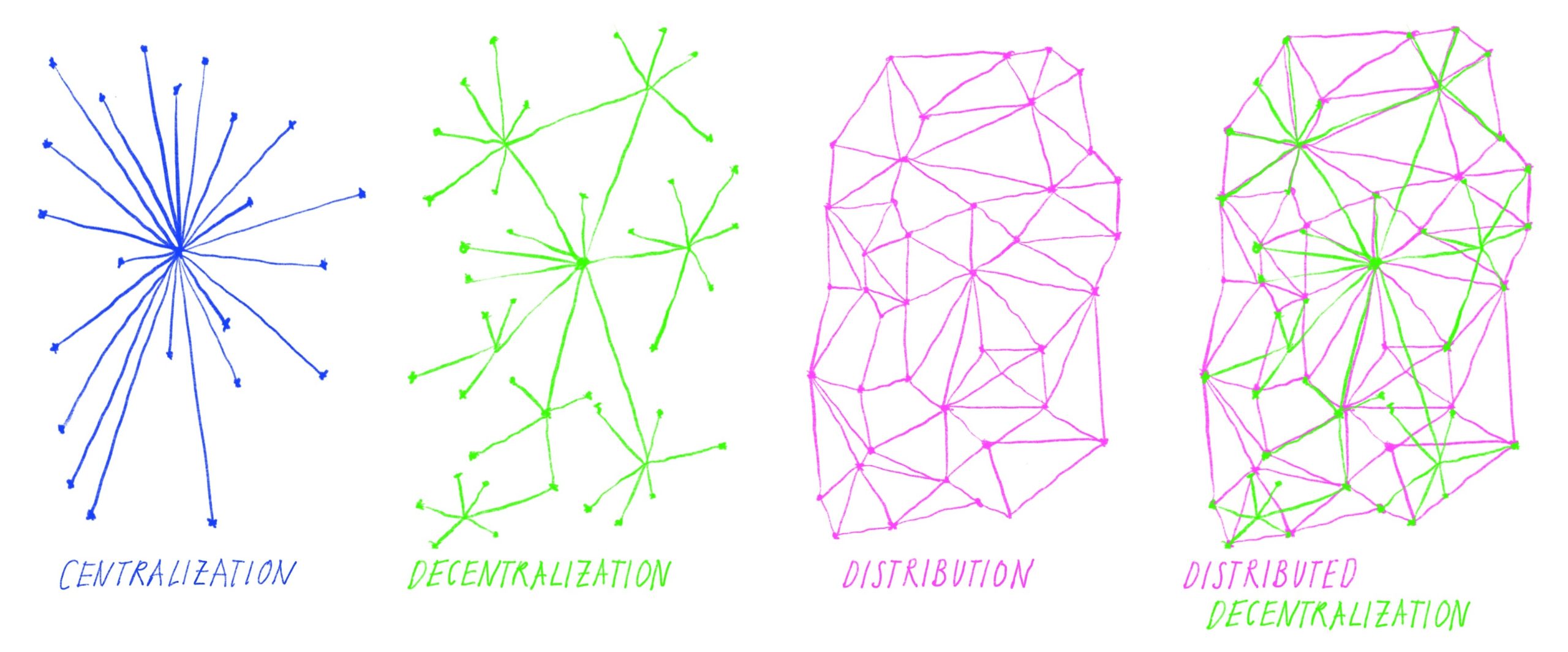
Ignoring Cross-Cultural Nuance: A “one-size-fits-all” regulatory framework for AI will fail because the internal structures of religious authority vary wildly across cultures. Policies must be adaptable enough to respect institutional hierarchies (like the Vatican or Islamic councils) versus decentralized or independent spiritual movements.
Advanced Tips for Policy Design
To move beyond basic compliance, policymakers should consider “Co-Regulation” models. Instead of government-mandated censorship, platforms could work with established religious institutions to build “authorized” digital models—AI tools trained exclusively on verified, canonized texts. By promoting these as high-trust, verified sources, the market naturally shifts away from unreliable, potentially radicalizing AI alternatives.
Additionally, developers should prioritize “friction by design.” In the context of religious inquiry, AI tools should be programmed to provide multiple, diverse perspectives on a topic rather than a single definitive answer. Forcing the user to engage with conflicting viewpoints helps mitigate the risk of algorithmic echo chambers and encourages a more robust, critical engagement with one’s faith.
Conclusion
The integration of AI into religious life is inevitable, but its trajectory is not set in stone. Policy frameworks must evolve to recognize that AI is not a neutral messenger in the domain of faith. It is an amplifier, a curator, and, if left unchecked, a potential manipulator of the very ideas that define human meaning.
By enforcing transparency, ensuring human accountability, and fostering digital religious literacy, we can mitigate the risks of mass-scale manipulation. The goal is not to police belief, but to preserve the integrity of the spaces where those beliefs are formed. We must ensure that the digital pulpit serves the human spirit, rather than the interests of an engagement-driven algorithm.




Leave a Reply