
Contents
1. Introduction: The shift from reactive damage control to proactive ethical risk management.
2. Key Concepts: Defining “Shared Risk Assessment” and why ethical failures are often systemic rather than individual.
3. Step-by-Step Guide: The framework for building an ethical risk template, from stakeholder identification to mitigation strategies.
4. Case Studies: Analyzing how shared templates could have mitigated high-profile ethical lapses (e.g., algorithmic bias and supply chain transparency).
5. Common Mistakes: Why “check-the-box” compliance fails and how to avoid it.
6. Advanced Tips: Moving toward continuous monitoring and psychological safety in reporting.
7. Conclusion: The business imperative of building an ethical culture.
***
Shared Risk Assessment: The Proactive Framework for Preventing Ethical Failures
Introduction
In the modern corporate landscape, an ethical failure is rarely the result of a single “bad apple.” More often, it is the product of a fragmented system where departments operate in silos, unaware of how their specific targets or technical choices contribute to a larger moral hazard. For organizations, the cost of these failures—ranging from legal penalties to the absolute erosion of brand trust—has never been higher.
Reactive damage control is no longer a viable strategy. Instead, high-performing organizations are turning to shared risk assessment templates. These are not merely administrative documents; they are dynamic, collaborative tools designed to map out the ethical “blind spots” that exist in the gaps between teams. By integrating ethical inquiry into the project lifecycle, leaders can identify systemic vulnerabilities before they manifest as headline-grabbing crises.
Key Concepts
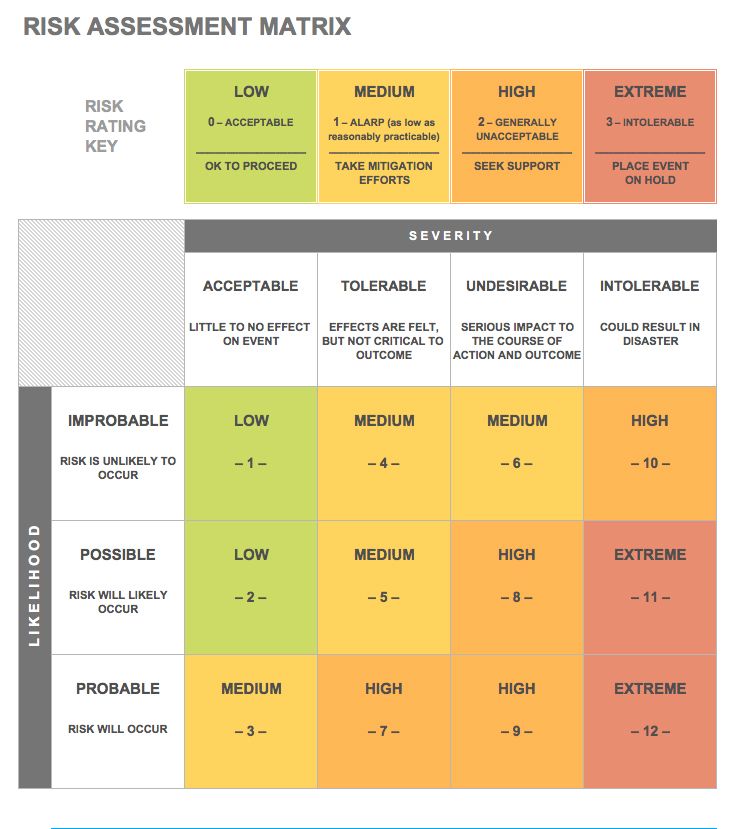
A shared risk assessment template is a structured framework that requires cross-functional teams to evaluate a project or initiative through an ethical lens. Unlike traditional risk assessments, which focus on financial, operational, or legal threats, ethical risk assessments focus on the societal, human, and reputational impact of a business decision.
The “shared” nature of this approach is its most critical feature. It forces the engineering team to speak with the marketing department, and the legal team to consult with the customer experience group. By standardizing the questions asked during the planning phase, an organization creates a common language for ethics. It moves the concept of “doing the right thing” from a subjective, abstract ideal to a concrete, measurable objective.
Step-by-Step Guide to Implementing Shared Risk Assessments
To move beyond theory, organizations must implement a rigorous, repeatable process. Follow these steps to embed ethical risk assessment into your standard operating procedures.
- Identify Cross-Functional Stakeholders: Assemble a core assessment team that includes representatives from legal, product development, HR, customer support, and communications. Diversity of thought is the primary defense against ethical tunnel vision.
- Define the Ethical Baseline: Establish what the organization stands for. Use your core values as the benchmark. If your company claims to value “transparency,” the template must include specific questions about whether users will be able to opt-out or understand how their data is being used.
- Deploy the Template Early: Use the assessment template during the project discovery phase—before any code is written or contracts are signed. Identifying a risk in a requirements document is exponentially cheaper than fixing it after launch.
- Categorize Risks: Structure your template to address specific dimensions: algorithmic bias, privacy and data integrity, labor and human rights in the supply chain, and environmental impact.
- Assign Ownership: Every identified risk must have an owner. If a potential ethical failure is uncovered, the template should dictate who is responsible for mitigating it and what the deadline for resolution is.
- Review and Iterate: Treat the template as a living document. After each project, conduct a “post-mortem” to see if any risks occurred that were not predicted by the template, and update the framework accordingly.
Examples and Case Studies
Consider the rise of generative AI. Many companies integrated third-party AI models without performing a shared risk assessment. Had they utilized one, they would have likely discovered systemic biases in the datasets or hallucinations that could misinform customers. By using a shared template, a firm could have forced a collaboration between the developers (who understand technical constraints) and the legal/compliance teams (who understand the regulatory risks of AI output).
“An ethical risk assessment template is the organizational equivalent of a flight checklist. It doesn’t guarantee a perfect journey, but it ensures that the most dangerous, predictable errors are caught before takeoff.”
In another instance, consider supply chain transparency. A manufacturing firm might outsource production to a third party. If the procurement team manages the contract in isolation, they may prioritize cost over human rights. A shared template requires procurement to consult with the sustainability team, ensuring that labor audits are not just a one-time event, but a continuous component of the contractual obligation.
Common Mistakes
- Treating Ethics as a “Check-the-Box” Exercise: When risk assessment is performed merely to clear an internal audit, it loses all value. The goal is inquiry, not compliance. If the process feels like a chore, the culture is failing.
- Ignoring the “Cultural” Component: A template cannot stop an unethical act if the corporate culture rewards “winning at all costs.” The assessment must be paired with leadership that acts on the risks identified.
- Over-Complexity: If the template is fifty pages long, no one will use it. Keep the framework concise and focused on high-impact areas. If you can’t fit the core ethical risks on two pages, the project is likely too opaque.
- Siloing the Results: Storing risk assessment data in a private folder that only one manager sees defeats the purpose of “shared” risk management. Data must be accessible to leadership to identify patterns of risk across the organization.
Advanced Tips
To truly mature your ethical risk management, move toward continuous assessment. Static, one-time reviews are insufficient for long-term projects. Implement a “trigger-based” review system where any significant change in project scope, leadership, or data utilization automatically forces a re-assessment.
Furthermore, foster psychological safety. Even with the best templates, risk identification relies on employees feeling safe enough to point out that a project might be unethical. If a junior engineer suspects an algorithmic bias, they must have a clear, non-punitive channel to escalate this concern. Use the shared risk template as an official “record of concern,” providing an objective mechanism for flagging issues without pinning them on individuals.
Finally, utilize data analytics to track your risk profiles. Are certain teams or product lines consistently flagging higher ethical risks? This is not necessarily a sign of bad management; it is often a sign of healthy oversight. Use that data to allocate more resources or training to those departments.
Conclusion
Shared risk assessment templates provide the structure necessary to transform abstract ethical aspirations into daily operational reality. They bridge the gap between departments, create a standard language for accountability, and ensure that ethical considerations are treated with the same rigor as financial forecasts.
By implementing these tools, organizations do more than just avoid the disaster of an ethical scandal; they build a foundation of integrity that fosters long-term consumer trust, employee loyalty, and sustainable growth. The question is no longer whether your company can afford to prioritize ethics—it is whether your organization is built to survive if you don’t.



Leave a Reply