

From Theology to Technology: Translating Abstract Ethics into Algorithmic Code
Introduction
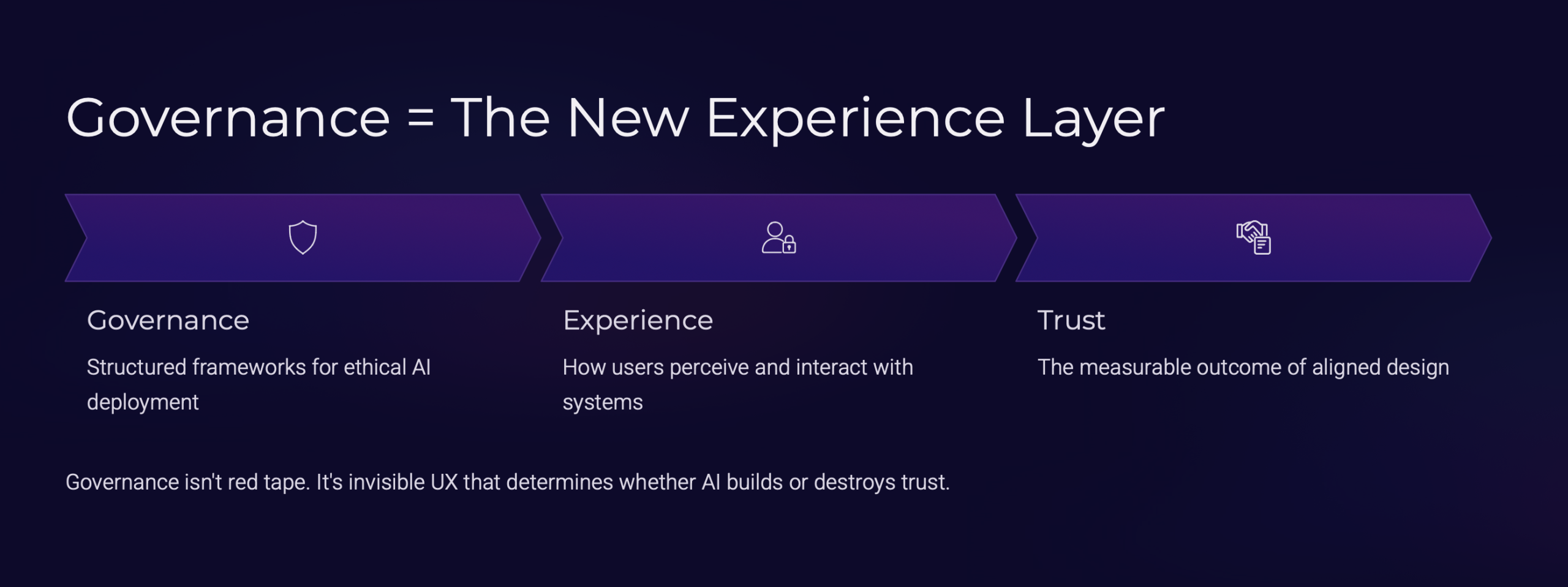
The rapid acceleration of artificial intelligence and automated decision-making systems has outpaced our ability to regulate them through traditional legal frameworks. As algorithms begin to make high-stakes determinations in hiring, lending, healthcare, and criminal justice, a critical gap has emerged: the translation of human values into machine-readable logic. Technology developers are experts in optimization, but they are not necessarily experts in the nuances of moral philosophy or the human experience of justice.
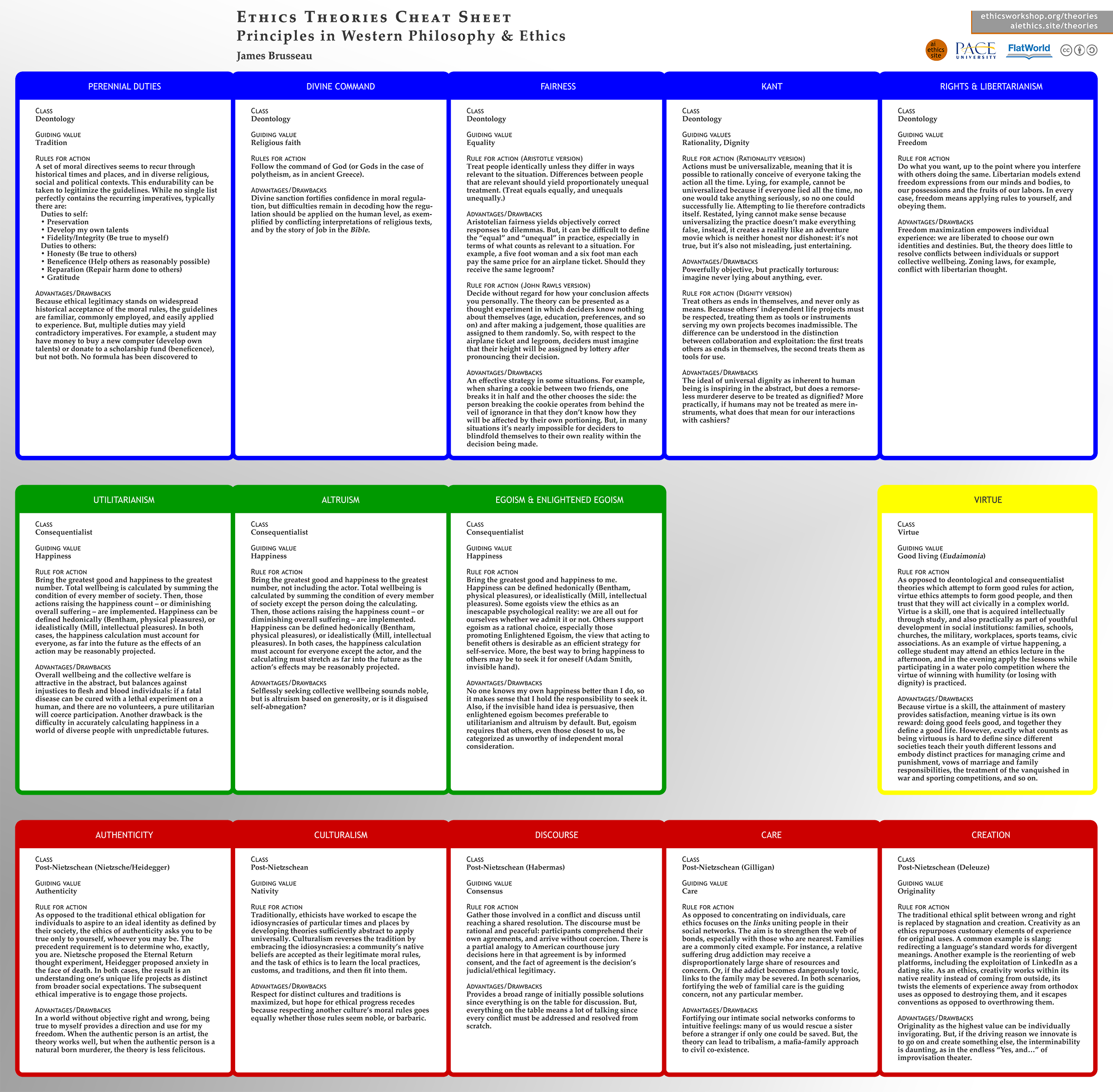
This is where the unlikely synergy between tech consortiums and faith leaders becomes essential. By bridging the gap between ancient ethical frameworks and modern engineering, collaborative workshops provide a unique laboratory for defining what “fairness,” “dignity,” and “accountability” actually look like when translated into code. This article explores how these collaborations move ethics from abstract platitudes into the technical specifications that govern our future.
Key Concepts
To understand the efficacy of these collaborations, we must define the two primary roles at the table: the Technical Specification and the Moral Heuristic.
Tech consortiums operate on the principle of Optimization—creating systems that maximize a specific output, such as efficiency, speed, or accuracy. However, “accuracy” is a value-neutral term. When a computer determines who receives a loan, the “accurate” decision is based on historical data, which may be tainted by centuries of systemic bias.
Faith leaders, representing centuries of rigorous inquiry into human flourishing, offer Moral Heuristics. They bring perspectives on concepts like stewardship, restorative justice, and the inherent worth of the individual. When these two worlds collide, the “abstract” becomes concrete. Instead of asking a developer to “be ethical,” they work to define “fairness” as a mathematical constraint—a parameter that the system must satisfy before it is allowed to optimize for efficiency.
Step-by-Step Guide: Implementing Ethical Collaboration Workshops
To translate ethics into code, workshops must move beyond theoretical discussion and into the realm of technical requirements.
- Establish a Shared Language: Developers use “if/then” logic; faith leaders often use narrative, scripture, or moral reasoning. Begin by creating a glossary of terms. For example, clarify that in the context of the project, “justice” isn’t a vague feeling, but a specific requirement to reduce the variance of outcomes across protected demographics.
- Select the Ethical Dilemma: Identify a specific algorithmic process (e.g., candidate filtering). Do not try to solve “AI Ethics” in one afternoon. Focus on one mechanism where human bias is likely to manifest.
- Perform Value-to-Logic Mapping: Ask the faith leaders to articulate the human harm they fear in a given scenario. Then, ask engineers to identify the data features that trigger that harm. If the harm is “loss of agency,” the engineering task is to build in a human-in-the-loop override that the algorithm cannot bypass.
- Stress-Test the Model: Create a “Red Team” session where faith leaders act as critics of the logic. If a system is designed to be “efficient,” have leaders provide scenarios where efficiency is actually harmful (e.g., healthcare triaging where speed ignores the complex needs of the elderly).
- Codify the Constraints: The output of the workshop should not be a report, but a set of technical constraints. These constraints should be written into the product requirements document (PRD) as non-negotiable architectural requirements.
Examples and Case Studies
Consider a consortium developing an AI system for charitable resource allocation. A purely data-driven model might prioritize distributing aid to individuals with the highest probability of “economic recovery,” effectively excluding the most vulnerable—the chronically ill or the elderly—who are unlikely to contribute to GDP growth.
In a workshop between the engineering team and faith leaders, the moral objection is raised: “We have a duty to the vulnerable, not just the productive.”
The collaboration translates this into a technical constraint: The algorithm is forced to reserve a non-negotiable 30% of funds for populations that do not meet the standard “economic potential” metrics. By embedding this as a hard constraint in the objective function of the code, the engineering team ensures that the machine reflects the consortium’s values, regardless of how it optimizes the remaining 70% of the budget.
Another real-world application involves facial recognition technology. Collaborations have successfully moved the needle from “accuracy rates” to “dignity-based design.” By consulting with diverse faith and community leaders, engineers realized that their definition of “accuracy” was blinded to racial and cultural variances. They pivoted to building “diversity-weighted datasets,” changing the underlying mathematical objective to minimize error in minority populations, even if it slightly increased the computational cost of the model.
Common Mistakes
- The “Ethics-Washing” Trap: Inviting faith leaders simply for public relations without giving them veto power over technical requirements. If the input is not treated as a technical constraint, it is merely theater.
- The Fallacy of the Single Perspective: Relying on a single religious or ethical tradition. Bias in AI is often a reflection of a monoculture. Workshops must include a diverse range of theological and philosophical backgrounds to ensure the resulting code is robust against various forms of human bias.
- Failing to Maintain Documentation: If the reasoning behind an ethical constraint isn’t documented in the codebase (using comments or design logs), future developers will remove the “inefficient” code, effectively deleting the ethical guardrail during a routine update.
- Over-Complicating the Technical: Expecting faith leaders to understand machine learning architecture, or expecting developers to become theologians. Use facilitators who are “bilingual”—people who can bridge the gap between technical requirements and philosophical intent.
Advanced Tips for Success
Move to “Ethics by Design”: Do not treat ethics as a post-hoc audit. The goal is to move from “checking for bias at the end” to “baking values into the initial architecture.” If the system architecture does not allow for algorithmic explainability, no amount of ethical debate will make it trustworthy later.
Use Mathematical Fairness Audits: Teach the workshop participants about the different mathematical definitions of fairness (e.g., disparate impact vs. disparate treatment). Often, faith leaders and engineers will find that they are using the same words to mean different things. Quantifying these definitions helps resolve the fundamental disagreements early on.
Institutionalize the Feedback Loop: Make these workshops a recurring part of the product lifecycle. Technology is dynamic; as data changes, the ethical implications change. Establish an “Ethics Review Board” that includes these stakeholders and meets at every major version release to ensure that technical upgrades haven’t compromised previously established moral guardrails.
Conclusion
The translation of ethics into code is perhaps the most significant challenge of the modern digital age. We have reached a point where our machines are sufficiently powerful that they must be guided by wisdom, not just performance metrics. By engaging in structured, collaborative workshops, tech consortiums can move beyond the surface level of “ethical AI” to create systems that are truly aligned with human flourishing.
The process requires humility from engineers and a commitment to technical literacy from community leaders. It is not an easy process, nor is it a quick one. However, the result—code that protects dignity, promotes justice, and serves the common good—is the only path toward a technological future that society will be willing to inhabit.




Leave a Reply