Establishing a Digital Ethics Board: Navigating Institutional Priorities in the Age of AI
Introduction
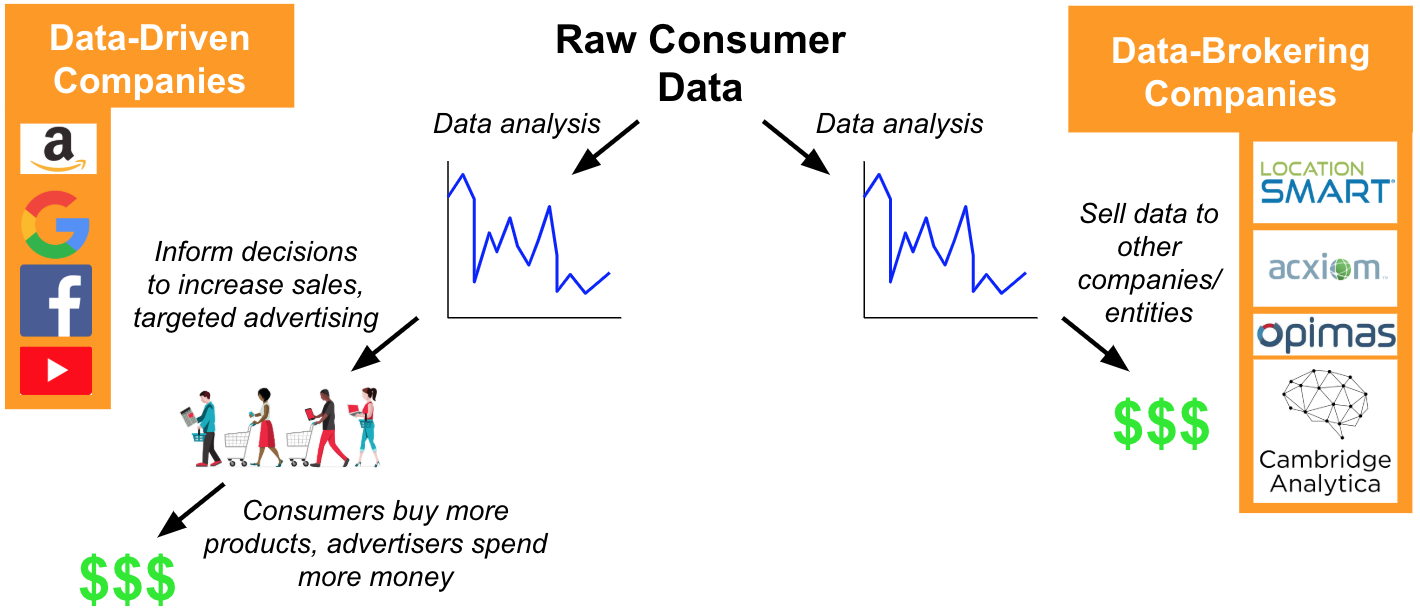
As organizations rush to integrate artificial intelligence, machine learning, and big data into their core operations, they inevitably encounter the friction of competing interests. The marketing department wants hyper-personalized customer targeting; the security team demands absolute data minimization; the legal department prioritizes risk avoidance; and the product team is focused on speed-to-market. These aren’t just technical disputes; they are ethical ones.
When these priorities clash, decisions are often made in silos, leading to “ethics debt”—a cumulative build-up of compromised values that can lead to public backlash, regulatory fines, and loss of brand trust. A digital ethics board serves as the institutional venue to resolve these tensions. It acts as a cross-functional governance mechanism that elevates ethical deliberation from a compliance checklist to a strategic advantage.
Key Concepts
Digital Ethics is the branch of ethics that examines how technology impacts human agency, privacy, equity, and social structures. It moves beyond the question of “Can we build this?” to “Should we build this, and under what conditions?”
Institutional Priority Conflict occurs when an organization’s business objectives (e.g., maximizing engagement or conversion) directly contradict its ethical obligations (e.g., protecting user privacy or preventing algorithmic bias). Without a dedicated board, these conflicts are typically resolved by the person with the most budget or the loudest voice, rather than the person who best understands the long-term societal impact.
A Digital Ethics Board (DEB) is an advisory body comprised of diverse stakeholders—technical experts, ethicists, legal counsel, and community representatives—tasked with evaluating high-stakes projects. Its goal is not to stop innovation, but to provide the guardrails that allow innovation to flourish without compromising the organization’s reputation or the public good.
Step-by-Step Guide
Define the Mandate and Scope: Explicitly state what the board does. Are they an advisory body or a governing body with veto power? Start by focusing on high-risk areas, such as automated decision-making systems, biometric data usage, or AI-driven content generation.
Assemble a Multidisciplinary Panel: Diversity is not just a policy goal; it is a functional requirement. You need the “builders” (engineers and product managers), the “protectors” (legal and compliance), the “critics” (sociologists or human rights advocates), and the “connectors” (marketing or user experience design).
Establish a Standard Review Framework: Create a consistent evaluation rubric. Common criteria include fairness, transparency, accountability, and privacy-by-design. Ensure every project reviewed is measured against these shared principles.
Create Clear Escalation Paths: A board is useless if it exists in a vacuum. Define how a project reaches the board (a mandatory threshold), what happens when a recommendation is made, and who has the final authority if the board and the product team reach an impasse.
Document and Iterate: Maintain an “ethical decision log.” This creates an organizational memory, ensuring that future projects can learn from previous compromises and successes. Treat your ethical framework as a living document that evolves with technology.
Examples or Case Studies
Financial Services: The Fairness Audit
A global bank considers implementing an AI system for automated mortgage approvals. The product team argues that it will speed up processing times by 60%. The Data Ethics Board intervenes, noting that the training data reflects historical housing discrimination. Instead of rejecting the project, the board mandates a “fairness audit” and requires the inclusion of alternative, non-biased data sets. The delay is frustrating for the product team, but the company avoids a massive fair-lending lawsuit and potential brand scandal.
E-commerce: The Personalization Tug-of-War
An online retailer explores tracking physical store movement using mobile location data to serve hyper-targeted ads. Marketing views this as a breakthrough in personalization. The ethics board, however, identifies a conflict between revenue goals and the implicit “social contract” of trust with the user. The board recommends a “privacy-first” approach, where users opt-in to location tracking in exchange for specific, tangible value. The result is a slightly lower conversion rate but significantly higher user retention and brand loyalty.
Common Mistakes
Treating the Board as a Rubber Stamp: If the board exists only to sign off on decisions that leadership has already made, it loses its legitimacy. Employees will see it as a performance, and the board will fail to catch actual risks.
Lack of Executive Buy-in: If the board doesn’t have the backing of the CEO or Board of Directors, it will be ignored as soon as a project is behind schedule. The ethics mandate must come from the top.
Over-Indexing on Legal Compliance: Compliance is about following the law; ethics is about doing the right thing. If your board focuses only on “what we can legally get away with,” you are not an ethics board—you are a legal committee.
Lack of Transparency: If the board operates entirely in the shadows, internal teams will treat it as an adversary. Be transparent about the board’s reasoning and findings to build a culture of ethical awareness across the company.
Advanced Tips
Involve External Voices: Don’t just hire from within. Occasionally bringing in an external academic, a tech journalist, or a representative from an impacted customer group can break the “groupthink” that often plagues internal corporate committees. These outsiders provide a reality check on how the public will perceive your actions.
Use “Pre-Mortem” Exercises: Before a project even launches, ask the board to conduct a “pre-mortem.” Assume the project has failed or caused a massive public outcry in one year. Ask: “What happened?” This exercise forces teams to look for hidden vulnerabilities, such as data leaks, algorithmic bias, or dark patterns in design, that are usually missed during standard project planning.
Align with KPIs: Ethical work often feels intangible. Try to link ethical outcomes to existing KPIs. For example, show that avoiding “dark patterns” leads to higher customer lifetime value (CLV) due to increased trust. When ethics is framed as a long-term business strategy, it gains traction with departments that are otherwise focused on quarterly gains.
The true test of a digital ethics board is not how many projects it rejects, but how many projects it improves. An effective board refines the product, clarifies the institutional values, and builds a moat of trust that competitors who cut corners cannot replicate.
Conclusion
Establishing a digital ethics board is more than a structural change; it is a cultural commitment. In an era where technological capability is outpacing social and regulatory guardrails, organizations that proactively navigate these ethical dilemmas will lead the market. By providing a structured, multidisciplinary venue to resolve conflicting priorities, a board transforms ethical tension from a source of friction into a catalyst for better, more responsible innovation.
Start small, iterate on your processes, and hold your leadership accountable to the principles you define. Trust is the most valuable currency in the digital age—and a robust ethics board is the best way to protect it.