The Neuro-Efficiency Edge: Why Elite Performers Are Adopting the Feldenkrais Method
In high-stakes environments—whether managing an M&A deal, coding a scalable architecture, or navigating a global supply chain crisis—we are conditioned to optimize for external outputs. We invest heavily in software stacks, cognitive productivity hacks, and time-management systems. Yet, we almost entirely neglect the hardware through which all this strategy is executed: the human nervous system.
Most elite professionals are running on outdated, rigid operating systems. They operate under the fallacy that grit and sheer willpower are sufficient to maintain peak cognitive performance. However, recent data in neuromuscular science suggests otherwise. The missing link for sustainable high performance isn’t another stimulant or a more robust calendar—it is neuro-muscular efficiency.
Enter the Feldenkrais Method. Often misunderstood as “movement therapy” or “gentle stretching,” it is, in reality, a high-level educational system designed to refine the human nervous system’s capacity for complex problem-solving and adaptive behavior. For the executive, the Feldenkrais Method is not about exercise; it is about cognitive architecture.
The Hidden Cost of High-Performance Rigidity
As professionals scale, they often develop what I call “functional bracing.” This is the unconscious physical tension—a clenched jaw, a tightened hip flexor, a rigid thoracic spine—that accompanies deep focus. We treat these as badges of honor, signs that we are “locked in.”
The problem is that the nervous system does not differentiate between physical tension and cognitive tension. When you hold a physical rigidity, you occupy a portion of your cortical processing power to maintain that state. This is an unnecessary “background task” that drains your battery.
In a saturated, high-velocity market, the ability to shift from a state of hyper-arousal to deep analytical focus is a competitive advantage. If your baseline is set to a state of chronic, low-level muscular bracing, you are effectively running at 80% CPU capacity before your day even begins. The Feldenkrais Method provides the tools to clear this cache, allowing for a higher ceiling of cognitive stamina.
Deconstructing the Feldenkrais Method: An Analytical Framework
The Feldenkrais Method, pioneered by physicist and martial artist Moshé Feldenkrais, operates on the principle of neuroplasticity. It suggests that our patterns of movement are, in essence, habits of the brain. If you move inefficiently, you are thinking inefficiently.
1. Differentiation: The Basis of Complexity
In data science, we look for granular variables. In Feldenkrais, we look for differentiation. Most professionals operate with “clumped” movement patterns—where the neck, shoulder, and back move as a single, rigid block during stress. By learning to isolate and control minute segments of the body, you increase the resolution of your nervous system’s map. A more detailed map allows for more refined control of your internal state.
2. The Law of Minimum Effort
Efficiency in physics is the ratio of output to input. Feldenkrais teaches the nervous system to achieve the maximum result with the minimum expenditure of energy. When you apply this to your daily workflow, you begin to detect where you are “over-functioning”—typing with more force than needed, straining your eyes during a screen-share, or holding your breath during a difficult email. Learning to prune this unnecessary effort creates a massive surplus of latent energy.
3. Awareness Through Movement (ATM)
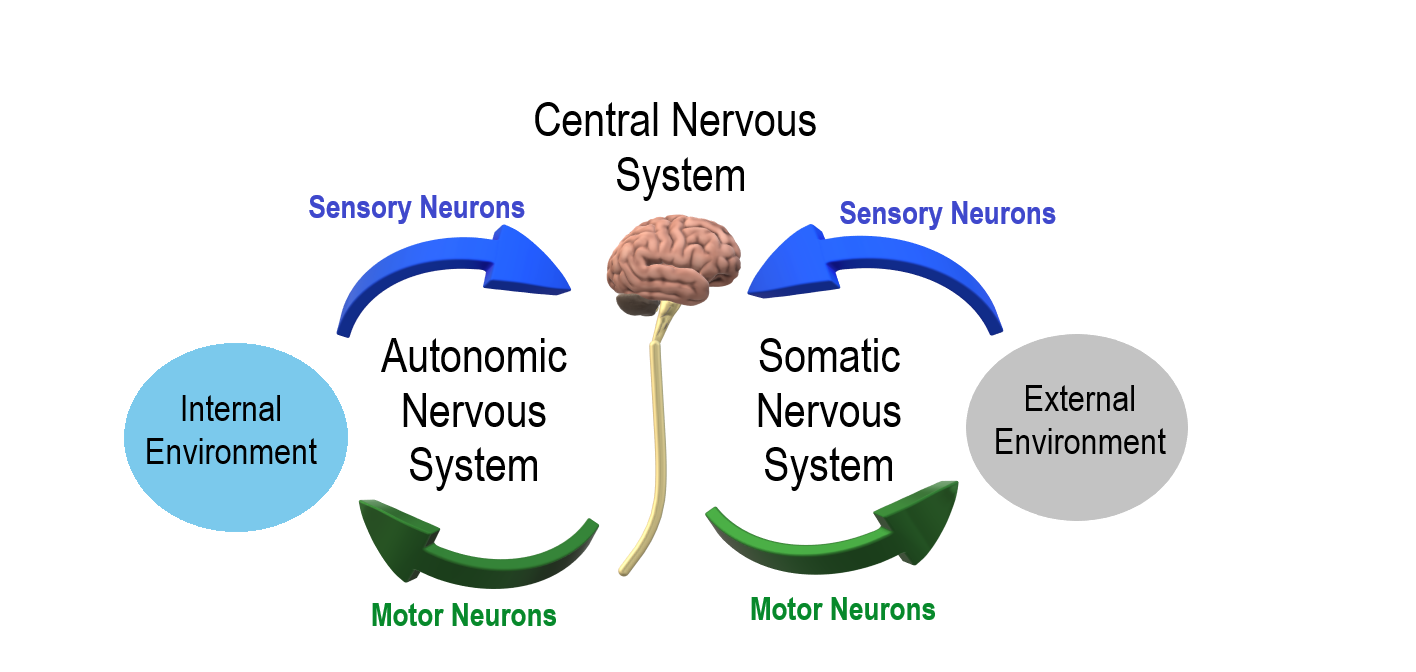
ATM is the lab environment. These are guided sessions where one explores slow, non-habitual movements. The objective isn’t the movement itself, but the sensory feedback loop. By slowing down, you bypass the brain’s “autopilot” mode and activate the motor cortex, forcing the brain to create new, more efficient neural pathways.
Strategic Implementation: The 4-Step Neuro-Efficiency Protocol
You do not need to become a practitioner to reap the benefits. Here is how an executive can integrate these principles into a high-performance routine:
Step 1: Audit Your Physical Baseline. During a high-stress meeting, pause for 10 seconds. Scan your body. Are your shoulders elevated? Is your tongue pressed against the roof of your mouth? Are your toes gripping your shoes? Identify the “background process” you are running.
Step 2: The 2-Minute Reset. When you feel your clarity waning, perform a “micro-differentiation.” Move your pelvis in a slow, gentle circle while sitting. Focus purely on the sensation of the shift in weight on your chair. This small shift effectively “reboots” the connection between the brain and the peripheral nervous system, breaking the pattern of rigid bracing.
Step 3: Strategic Slowing. Before engaging in a high-stakes task, spend two minutes performing a slow, controlled movement (e.g., rotating the neck or spine). By performing this movement with extreme deliberation, you prime the prefrontal cortex for high-resolution focus.
Step 4: Non-Habitual Reversals. If you always reach for your coffee with your right hand, use your left. If you always sit with your legs crossed a certain way, switch it. Forcing the brain to handle these small, non-habitual inputs prevents the stagnation that leads to cognitive bias and mental fatigue.
Common Pitfalls: Where Most Professionals Fail
The most common error is approaching Feldenkrais like a workout. If you treat these sessions as a way to “burn calories” or “get flexible,” you miss the point entirely. The Feldenkrais Method is an intellectual pursuit. If you approach it with the “no pain, no gain” mentality, you trigger the very sympathetic nervous system response you are trying to mitigate.
Another pitfall is the expectation of immediate, drastic transformation. Like compound interest in a brokerage account, the benefits of neuro-efficiency are slow to accumulate but exponential in their total impact. It requires a shift from “immediate gratification” to “long-term cognitive durability.”
The Future of High-Performance: Why This Matters Now
We are entering an era of unprecedented AI-assisted output. As tools do more of the heavy lifting, the ultimate differentiator for the human professional will be self-regulation. The individuals who can remain the most composed, the most sensitive to changing market signals, and the most physically and mentally adaptable will be the ones who lead.
We are already seeing this trend in elite industries. From top-tier orchestras to world-class sports teams and high-frequency trading desks, practitioners are moving away from brute-force tactics toward somatic intelligence. The future of management isn’t just “managing others”; it is the mastery of your own internal architecture.
Conclusion
The Feldenkrais Method is not a luxury; it is a tactical upgrade for your most vital asset: your brain. By auditing your physical habits and refining your neuro-muscular feedback loops, you gain an ability that your competitors lack—the ability to remain calm, fluid, and intellectually agile under extreme pressure.
Efficiency is no longer about doing more; it is about removing the friction that prevents you from doing what truly matters. Stop pushing harder and start refining your operation at the level of the nervous system. The competitive edge you’ve been looking for isn’t in your external environment—it’s in the way you inhabit your own body.
To master your output, you must first master the system that produces it. Begin your first session of deliberate awareness today.