The Kinetic Executive: Why Dance Therapy is the Next Frontier in Cognitive Performance
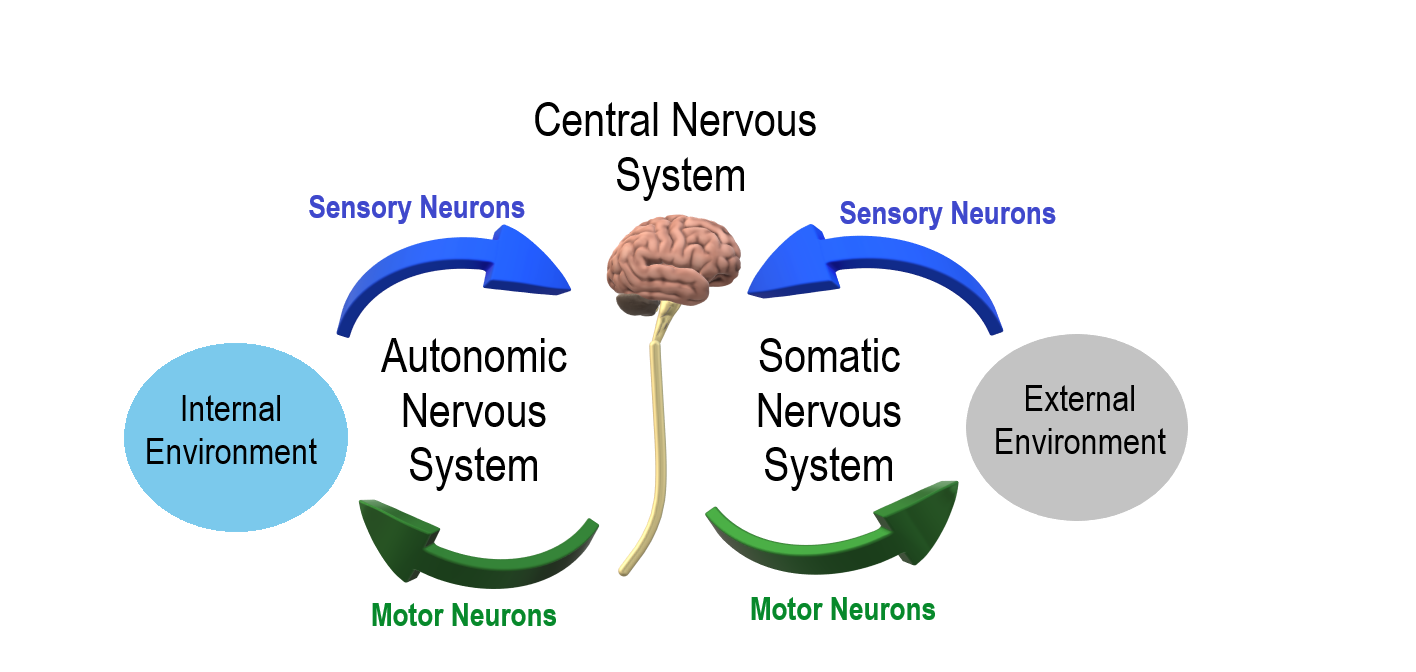
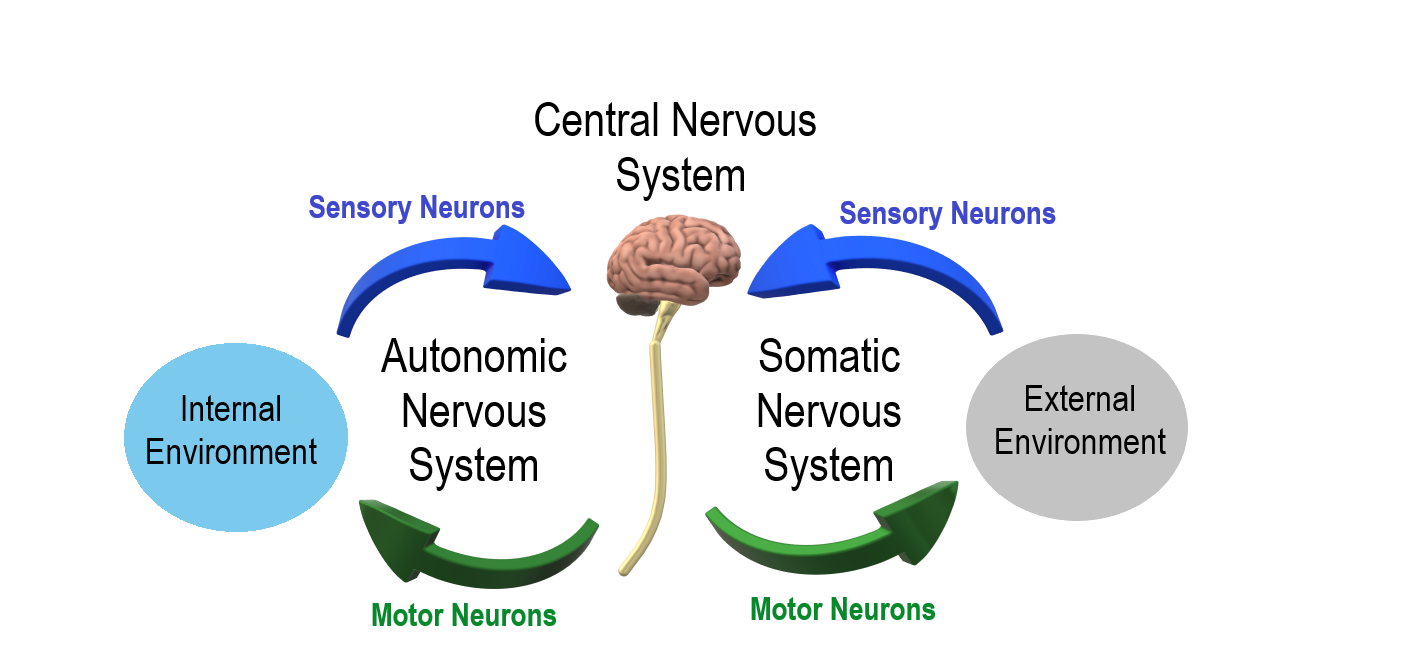
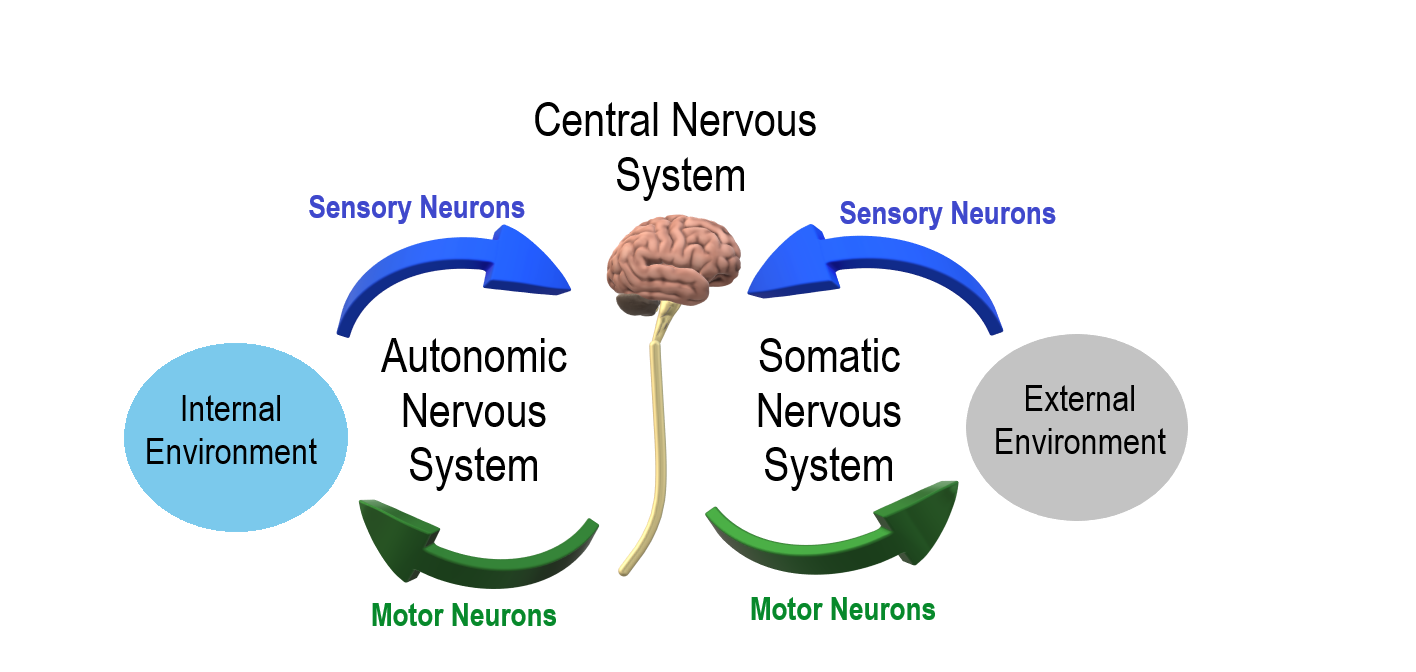
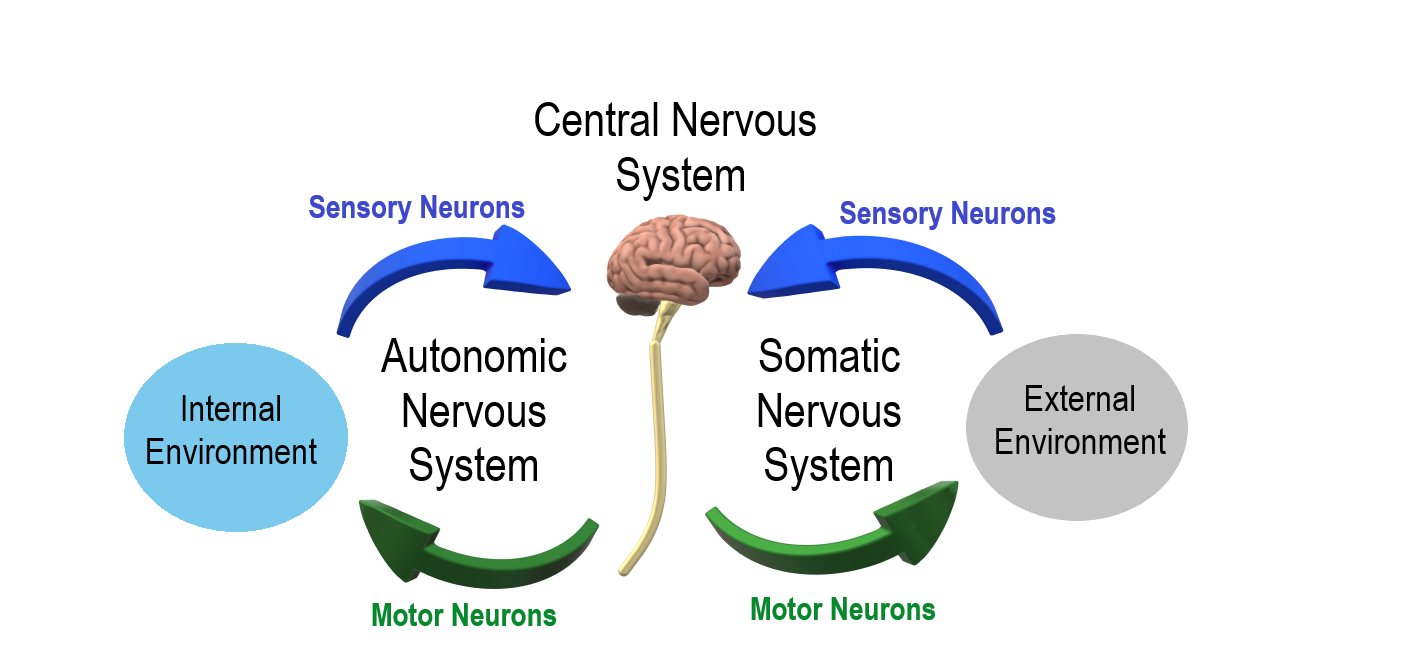
In the high-stakes environment of executive leadership, we spend an inordinate amount of capital optimizing our workflows, refining our tech stacks, and delegating tactical execution. Yet, we ignore the most powerful piece of hardware in our arsenal: the human nervous system. We treat the brain as a decoupled processor—a disembodied entity tasked with making high-leverage decisions while ignoring the somatic reality that dictates its output.
The prevailing dogma of professional development suggests that mental fatigue is a logistical problem solvable with more focus, better coffee, or refined time-blocking. This is a fundamental error. When you reach a ceiling of cognitive performance, the solution isn’t more data—it is better state management. Enter Dance/Movement Therapy (DMT). While often dismissed by corporate culture as “soft” or performative, the data suggests that structured, intentional movement is an elite-level tool for cognitive recalibration, trauma processing, and neuroplasticity that few C-suite leaders are currently leveraging.
The Cognitive Bottleneck: Why Your Strategy is Failing at the Somatic Level
The modern executive functions under a state of chronic, low-level sympathetic nervous system arousal. We are constantly in a “fight or flight” response, which, while useful for quarterly earnings calls, is catastrophic for long-term strategic synthesis. Prolonged stress leads to a phenomenon known as “somatization”—where psychological stress manifests as physical tension, reducing executive function and impairing the prefrontal cortex’s ability to engage in divergent, creative thinking.
The problem is not lack of intent; it is a lack of metabolic and neurological discharge. You are operating like a high-performance engine that hasn’t had an oil change in three years. Conventional mindfulness, while effective for some, is often too passive for the high-octane brain of a founder or partner. They don’t need to “quiet the mind”; they need to channel the physiological energy trapped within it. This is where the kinetic intervention of dance therapy shifts the paradigm from self-regulation to self-optimization.
The Mechanics of Kinetic Intelligence
Dance/Movement Therapy is not about aesthetic grace or social choreography. It is the psychotherapeutic use of movement to promote emotional, social, cognitive, and physical integration. From a neurological perspective, DMT acts as a direct bridge between the limbic system (the seat of emotion) and the neocortex (the seat of logic).
When you engage in intentional movement patterns—specifically those that require cross-lateral coordination—you activate the corpus callosum, the bridge between the left and right hemispheres of the brain. This synchronization is the precursor to what we call “Flow State” in business. By moving rhythmically and unpredictably, you force the brain to abandon predictive, habitual thought loops—the very loops that lead to burnout and strategic stagnation—and enter a state of high-alert, high-plasticity awareness.
The Neurochemical Advantage
BDNF Expression: Complex, novel movement patterns are proven to increase Brain-Derived Neurotrophic Factor (BDNF), a protein that acts as “fertilizer” for new neural connections.
Cortisol Downregulation: Unlike high-intensity interval training (HIIT), which can temporarily spike cortisol, structured movement therapy modulates cortisol levels toward a homeostatic baseline.
Proprioceptive Anchoring: By forcing the brain to track spatial orientation, you offload the processing power usually occupied by ruminative thoughts.
The Strategic Framework: Implementing Kinetic Therapy
You do not need to join a studio to reap the benefits of kinetic optimization. Implement this three-tier system to integrate movement into your high-performance schedule.
1. The Micro-Reset (The 90-Second Shift)
Research on ultradian rhythms suggests that human attention spans peak at roughly 90-minute intervals. Instead of checking your phone, perform a 90-second “movement break.” Do not walk to the coffee machine—that is a habitual movement. Instead, engage in three-dimensional, non-repetitive movement. Reach, rotate, and shift your weight in planes you aren’t used to. This breaks the “desk posture” of the executive and recalibrates your proprioceptive field.
2. The Cognitive Unloading Session (Active Sessions)
Once a week, engage in a session that requires active, improvised movement—ideally with a facilitator or an instructional framework that emphasizes non-patterned movement. The goal is to move without a predefined end goal. By removing the “objective” from the activity, you allow your subconscious to process complex strategic problems in the background. Many of the most profound breakthroughs in my clients’ careers have occurred not during analysis, but during the post-movement cooling phase, when the default mode network (DMN) is finally allowed to disengage.
3. The Sync-State Protocol (Pre-Negotiation)
Before entering a high-stakes negotiation or board meeting, use rhythmic breathing combined with unilateral body movement. This stabilizes the nervous system and creates a “readiness state” that makes you more attuned to subtle social cues in the room. You become more observant of non-verbal communication from others because your own somatic data stream is no longer cluttered with stress-related noise.
Common Pitfalls: What Most Leaders Get Wrong
The primary reason most professionals fail when attempting to integrate physical therapy is the “Optimization Trap.” They treat movement like a task list item. If you approach movement with the same “gotta get it done” intensity you bring to your inbox, you are missing the point.
The goal is not to exhaust the body; it is to explore the range of the nervous system. If you turn your dance sessions into a competition, a workout, or a metric-tracking exercise, you are simply shifting the source of your stress, not resolving it. Effective movement for executives must be exploratory, not teleological. It must have no destination.
The Future: Somatic Literacy as Competitive Advantage
We are approaching an era where “somatic intelligence” will be as critical to the C-suite as “financial literacy.” As AI and automation continue to commoditize analytical thinking, the unique, non-algorithmic value of the human leader lies in their capacity for high-level synthesis, intuitive decision-making, and emotional regulation—all of which are tethered to the physical body.
The next decade of professional performance will be dominated by those who understand that leadership is not a mental act, but a biological one. Organizations that embrace kinetic health will see lower attrition rates, higher creative output, and a marked increase in the quality of their long-term strategic decisions. The companies that ignore this will continue to operate on tired, outdated hardware, wondering why their strategy feels increasingly stale while their competition seems to possess an inexplicable, fluid agility.
The Decisive Takeaway
You cannot solve a high-level systemic problem using the same neurological state that created it. Your capacity for innovation is physically limited by the state of your nervous system. Dance and movement therapy are not fringe activities; they are high-performance maintenance protocols.
Stop trying to think your way out of the fog. Start moving your way into clarity. Your next breakthrough is waiting on the other side of your next movement session—not because of the endorphins, but because you have finally given your mind the freedom to reset its own baseline.
The question is not whether you have the time for this. The question is whether you can afford the cost of your current, static stagnation.