
Uncategorized
-

Independent third-party verification provides an objective assessment of whether model behaviors align with safety constraints.
The Essential Role of Independent Third-Party Verification in AI Safety Introduction As artificial intelligence systems move from experimental sandboxes into critical infrastructure, the stakes for safety have never been higher. When a developer builds a model, they are inherently biased toward its success; they want to see it function, solve problems, and demonstrate capability. However,…
-

Regulatory bodies must engage in continuous dialogue with researchers to stay ahead of the innovation curve.
Contents 1. Introduction: The “Innovator’s Dilemma” in regulation; why static rules fail in dynamic markets. 2. Key Concepts: Defining “Regulatory Agility” and the “Dialogue Framework.” 3. Step-by-Step Guide: Establishing a bidirectional feedback loop between researchers and regulators. 4. Examples: Insights from the FDA’s Breakthrough Devices Program and the EU’s AI Act sandboxes. 5. Common Mistakes:…
-

———.
Since you did not provide a specific topic in the prompt, I have selected the topic: “The Art of Deep Work: Mastering Focused Productivity in a Distracted World.” This is a high-value subject for a professional adult audience. Contents 1. Introduction: The crisis of fragmentation and why “attention residue” is the enemy. 2. Key Concepts:…
-
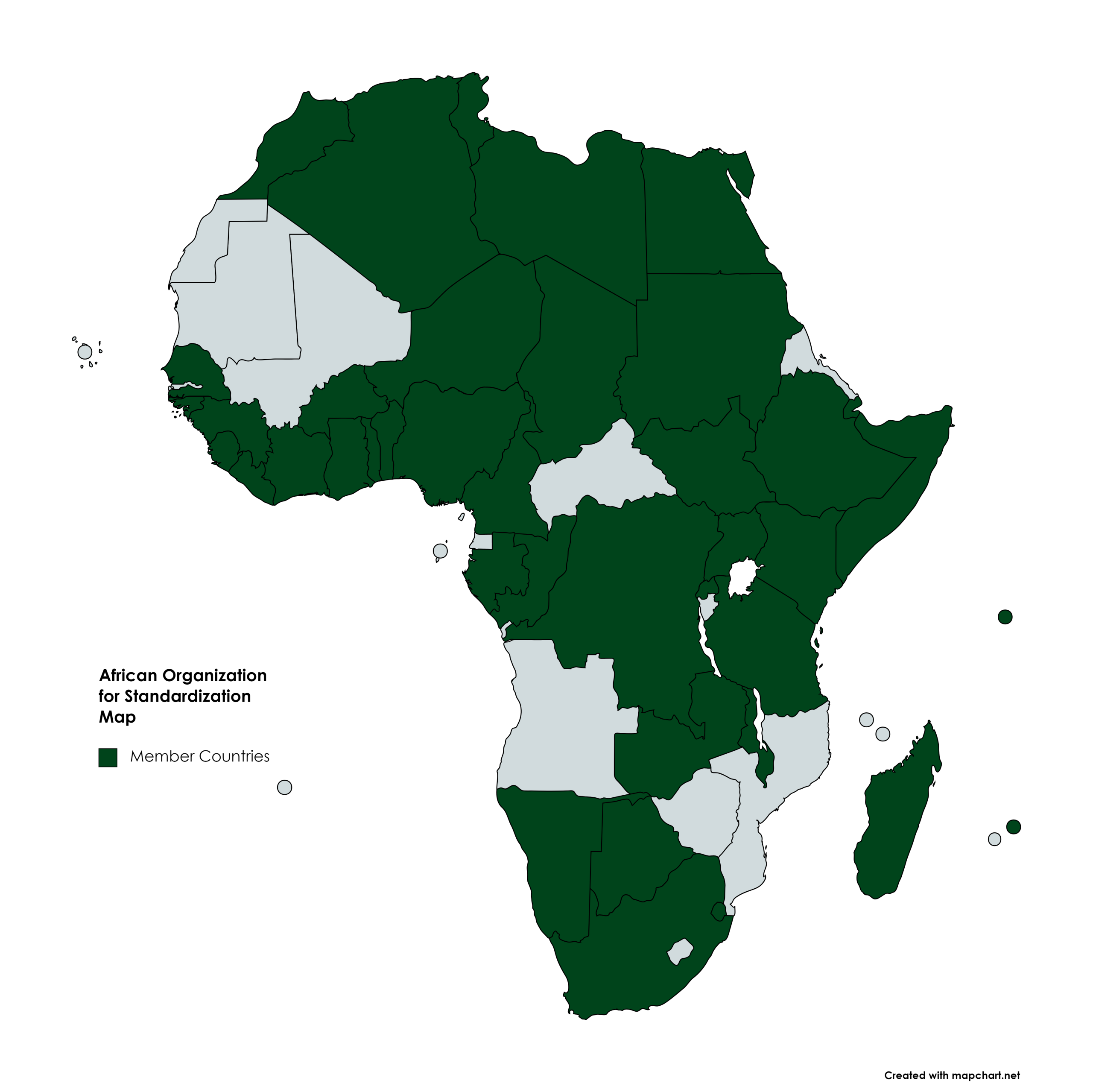
Standardizing AI safety metrics allows for consistent benchmarking across global enterprises.
The Case for Standardizing AI Safety Metrics: Creating a Global Benchmark Introduction Artificial Intelligence is no longer an experimental toy; it is the backbone of modern enterprise operations. From financial forecasting to automated medical diagnostics, AI models are integrated into critical infrastructure. However, the rapid proliferation of these systems has created a “Wild West” environment…
-

Building a unified strategic culture is the ultimate safeguard against the risks of rapid AI adoption. Technical Mechanics of AI Safety Auditing and Compliance
Contents 1. Introduction: The paradox of speed vs. stability in AI deployment. 2. Key Concepts: Defining “Strategic Culture” as an architectural component of safety, not just HR policy. 3. Technical Mechanics of AI Auditing: Breaking down Red Teaming, Adversarial Validation, and Model Lineage tracking. 4. Step-by-Step Guide: Implementing a technical safety feedback loop. 5. Examples:…
-

A holistic approach to safety considers the environmental, social, and economic impacts of AI.
Outline Introduction: Redefining AI Safety beyond technical alignment. The Triple Bottom Line of AI: Defining Environmental, Social, and Economic safety. Key Concepts: Algorithmic bias, resource intensity, and systemic economic displacement. Step-by-Step Guide: Implementing a Holistic AI Governance Framework. Real-World Applications: Sustainability reporting and socio-economic impact auditing. Common Mistakes: Siloed development and short-term optimization. Advanced Tips:…
-

Inter-organizational information sharing on safety incidents accelerates the collective learning curve.
The Collective Safety Shield: How Inter-Organizational Information Sharing Accelerates Learning Introduction In high-stakes industries—from aviation and energy to healthcare and cybersecurity—a single safety incident is never just an isolated event. It is a data point in a much larger narrative of human, systemic, and mechanical fallibility. When organizations keep their lessons learned locked within internal…
-

Alignment between national security goals and AI safety standards fosters a more stable geopolitical landscape.
Outline Introduction: The nexus of AI supremacy and global stability. Key Concepts: Defining “Dual-Use” technology and the “Security-Safety Paradox.” The Strategic Framework: A step-by-step approach to aligning national interest with safety research. Case Studies: The EU AI Act vs. International collaborative AI safety institutes. Common Pitfalls: The trap of “AI Nationalism” and regulatory fragmentation. Advanced…
-
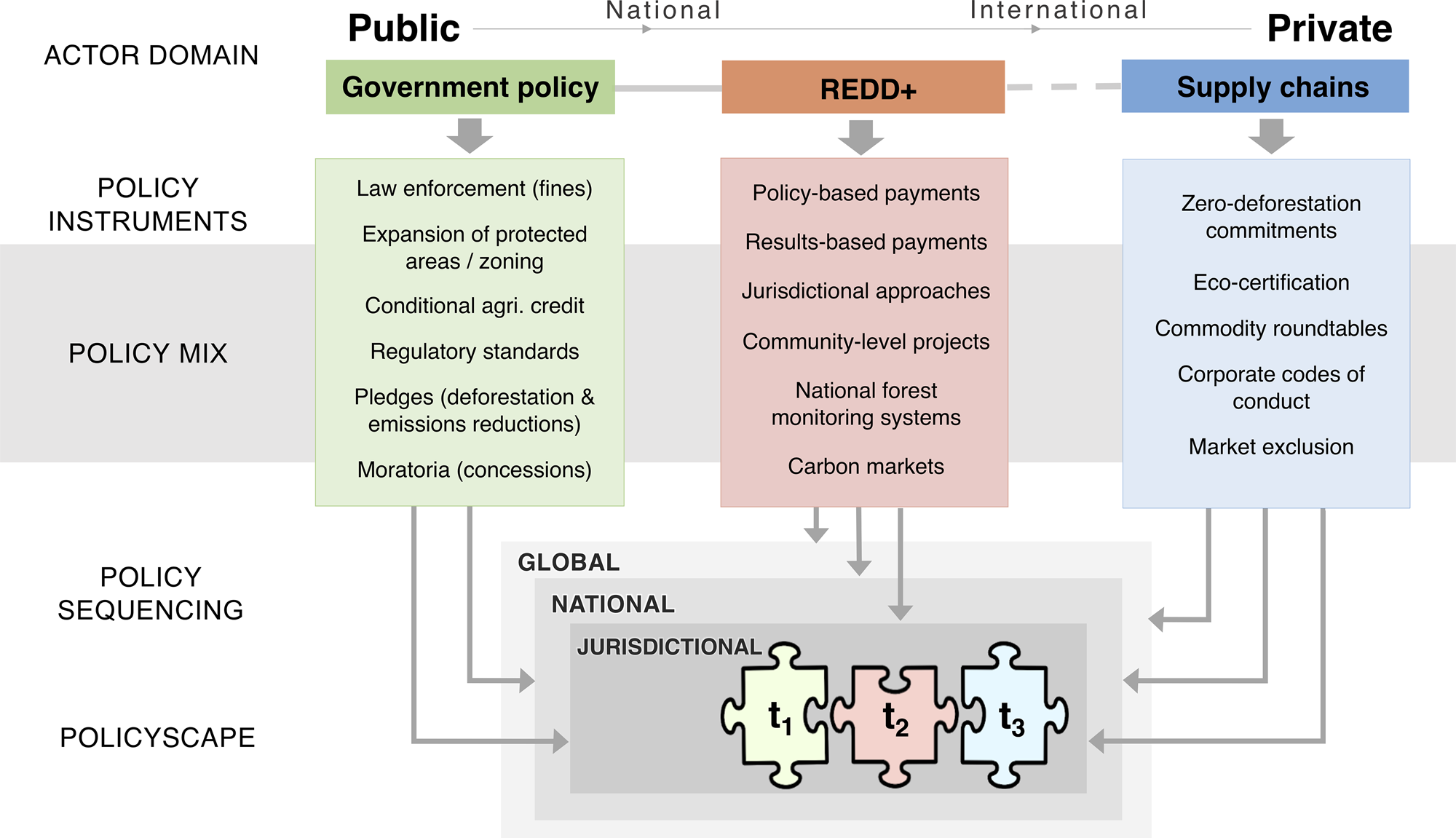
Governance frameworks must be scalable to grow alongside increasing AI deployment complexity.
The Scalability Imperative: Building Future-Proof AI Governance Frameworks Introduction The transition from experimental AI pilots to enterprise-wide integration is no longer a matter of “if,” but “how fast.” As organizations scale from deploying a single chatbot to managing a complex ecosystem of Large Language Models (LLMs), predictive algorithms, and autonomous agents, the governance models that…
-
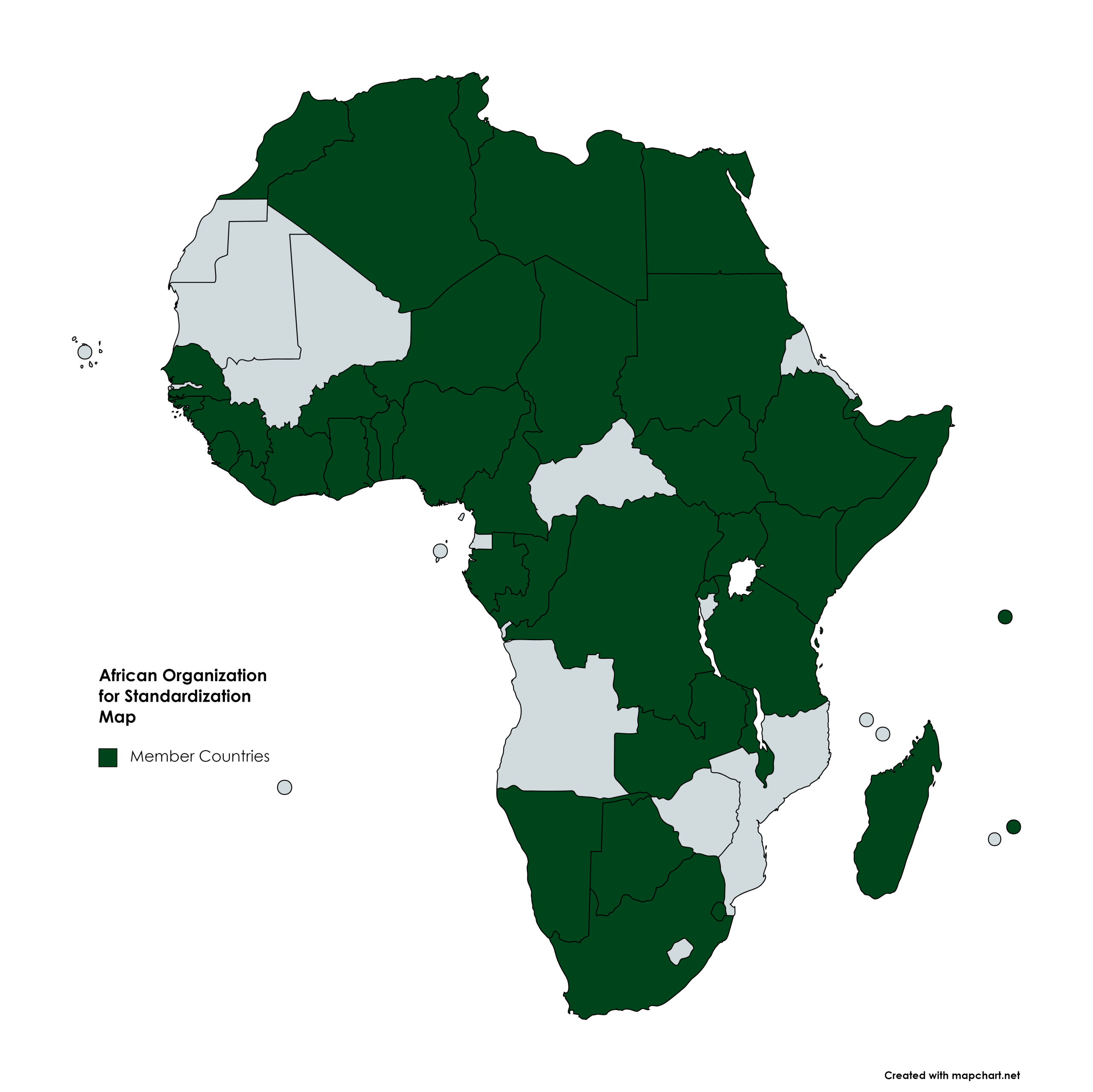
Standardized incident response plans improve the resilience of AI-dependent critical infrastructure.
### Article Outline 1. Introduction: The paradigm shift from human-led to AI-augmented critical infrastructure and the resulting “black box” risks. 2. Key Concepts: Defining “AI-dependent infrastructure” and why generic IT disaster recovery plans fail in AI environments. 3. Step-by-Step Guide: A framework for building an AI-specific Incident Response Plan (IRP). 4. Examples and Case Studies:…