
Uncategorized
-

Integrating safety within the procurement process ensures third-party AI tools meet corporate standards.
Integrating Safety Within Procurement: Ensuring Third-Party AI Meets Corporate Standards Introduction The rapid integration of third-party Artificial Intelligence (AI) tools has transitioned from a competitive advantage to a necessity. However, the speed of deployment often outpaces the development of robust internal governance. When an organization integrates an external AI tool into its workflow, it is…
-
Safety scorecards provide stakeholders with clear, quantitative metrics regarding a model’s risk profile.
Contents 1. Introduction: Defining the “Black Box” problem in AI and how safety scorecards bridge the communication gap between engineers and stakeholders. 2. Key Concepts: Deconstructing what constitutes a safety scorecard (Bias, Robustness, Interpretability, and Privacy). 3. Step-by-Step Guide: Establishing a framework for implementing a scorecard in a development lifecycle. 4. Real-World Applications: Use cases…
-

Anonymized data sets are utilized during auditing to protect user privacy while evaluating model performance.
Outline Introduction: The tension between AI transparency and data privacy. Key Concepts: Defining anonymization vs. pseudonymization, and the mechanics of auditing AI. Step-by-Step Guide: The workflow for preparing and auditing anonymized datasets. Real-World Applications: Healthcare (HIPAA compliance) and Finance (AML monitoring). Common Mistakes: The fallacy of “de-identification” and re-identification risks. Advanced Tips: Differential privacy, synthetic…
-

Regulatory frameworks should focus on outcomes rather than rigid, prescriptive technical mandates.
The Case for Outcome-Based Regulation: Why Flexibility Beats Rigid Mandates Introduction In the rapidly evolving landscape of technology, finance, and industrial safety, the traditional regulatory playbook is showing its age. For decades, governments and governing bodies have relied on prescriptive technical mandates—rules that specify exactly how an entity must achieve compliance. These “check-box” regulations often…
-

Technical debt in safety protocols is tracked alongside standard software debt to ensure long-term system stability.
Managing Safety Debt: Bridging the Gap Between Software Velocity and System Integrity Introduction In the high-stakes world of software engineering, we are intimately familiar with technical debt. We accept it as a trade-off: borrow time today by shipping sub-optimal code, and pay it back later with refactoring. But there is a silent, more dangerous cousin…
-

Cross-functional review committees evaluate audit findings to determine if a model meets the required safety threshold.
Outline Introduction: The shift from technical-only model oversight to cross-functional governance. Key Concepts: Defining the audit-to-committee pipeline, risk thresholds, and the role of stakeholders. Step-by-Step Guide: The operational workflow for a model review committee. Case Studies: Practical applications in financial services (credit scoring) and healthcare (diagnostic AI). Common Mistakes: Silo mentalities and technical jargon barriers.…
-

The role of the CAIO includes fostering a culture of accountability for all AI-driven decisions.
Outline Introduction: The shift from “Move Fast and Break Things” to “Responsible Innovation.” Defining the CAIO’s mandate. Key Concepts: The “Black Box” dilemma, algorithmic auditing, and the transition from technical ownership to organizational accountability. Step-by-Step Guide: Implementing an AI accountability framework (governance, logging, human-in-the-loop, and remediation). Examples and Case Studies: Real-world scenarios (Healthcare diagnosis AI…
-

Audit logs must maintain a granular history of model training data, hyperparameters,and fine-tuning adjustments.
The Necessity of Granular Audit Logs in AI Lifecycle Management Introduction In the rapid race to deploy generative AI and machine learning models, speed often supersedes documentation. Organizations frequently treat model development as a “black box,” focusing on the final output rather than the provenance of the decision-making process. However, as AI systems become integrated…
-
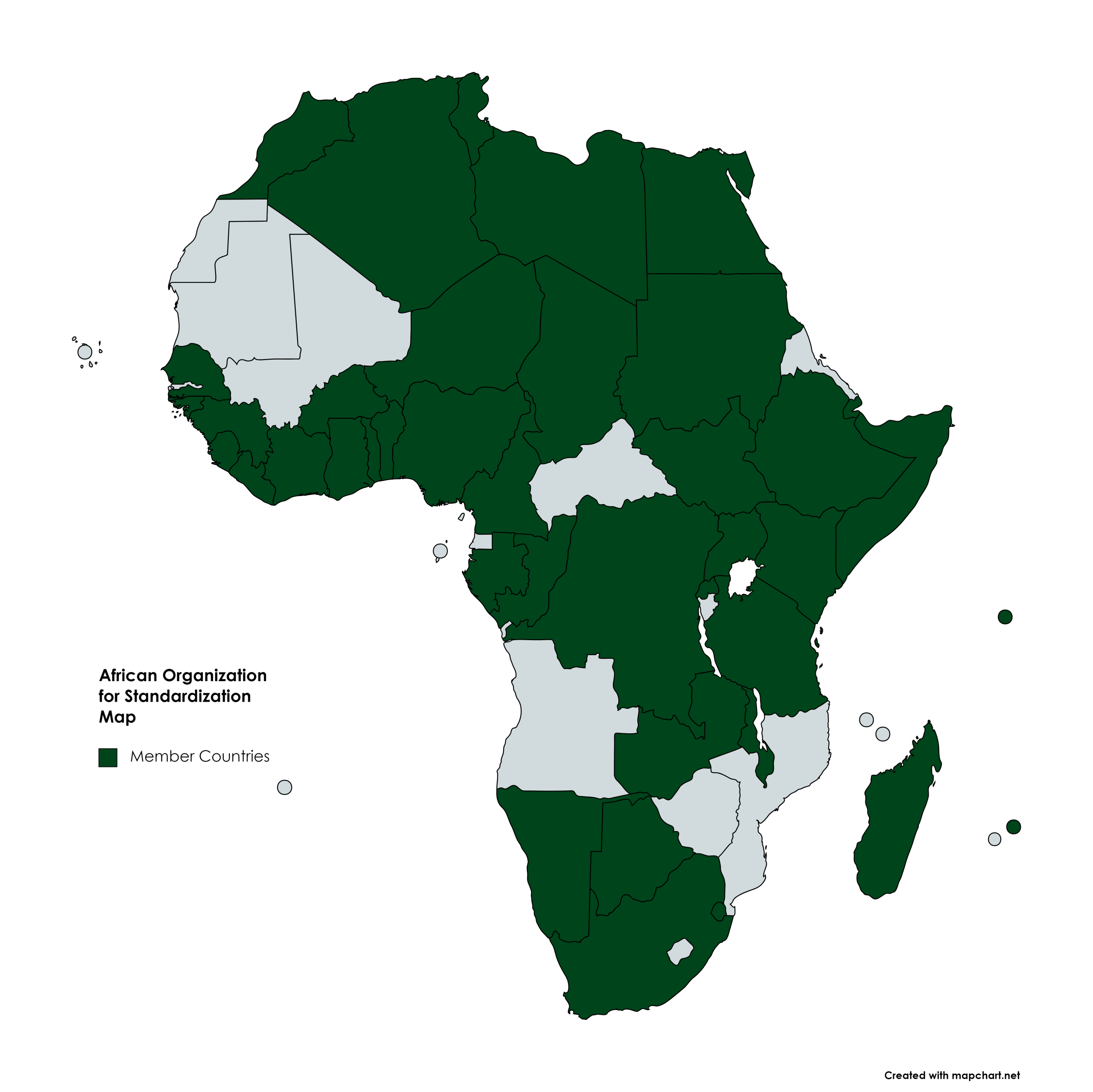
Standardized audit protocols are essential for verifying compliance with international safety guidelines.
Contents * Main Title: The Foundation of Trust: Why Standardized Audit Protocols are Essential for Global Compliance * Introduction: Moving beyond the “checkbox” mentality; how consistency mitigates global operational risk. * Key Concepts: Defining standardized protocols vs. ad-hoc audits; the role of international frameworks (ISO, OSHA, GDPR). * Step-by-Step Guide: Implementing a scalable audit framework…
-

Sandboxing environments ensure that high-risk model evaluations occur in isolated,controlled conditions.
### Article Outline 1. Main Title: Sandboxing AI: How Isolated Environments Secure High-Risk Model Evaluations 2. Introduction: The urgent need for “jail” testing in the era of frontier AI. 3. Key Concepts: Defining sandboxes, air-gapping, and containment versus monitoring. 4. Step-by-Step Guide: Implementing a robust sandboxing architecture. 5. Examples and Case Studies: Analyzing how labs…