
Uncategorized
-

Regulatory compliance documentation is generated automatically from the output of the audit pipeline.
Automating Regulatory Compliance: Turning Audit Pipeline Output into Audit-Ready Documentation Introduction For most organizations, the “audit season” is a period of high anxiety, frantic data gathering, and manual document assembly. Security and compliance teams often find themselves spending hundreds of hours translating technical audit logs into human-readable reports for stakeholders and regulators. This process is…
-

Multi-modal models require specialized audit protocols that account for data leakage between different input channels.
Contents 1. Introduction: Defining the “Multi-modal Frontier” and the hidden risks of inter-channel data leakage. 2. Key Concepts: Defining cross-modal contamination, semantic drift, and the failure of unimodal audit frameworks. 3. The Anatomy of Data Leakage: Why images, audio, and text represent a single, unified attack surface. 4. Step-by-Step Audit Protocol: A 5-phase framework for…
-

Certification bodies are emerging to provide third-party verification of AI safety and regulatory alignment.
The Rise of AI Certification: Ensuring Safety and Compliance in an Autonomous World Introduction For years, the artificial intelligence landscape has operated like the “Wild West.” Developers pushed the boundaries of innovation at breakneck speed, often prioritizing functionality and scale over rigorous safety protocols. However, as AI systems increasingly manage critical infrastructure, healthcare diagnostics, and…
-
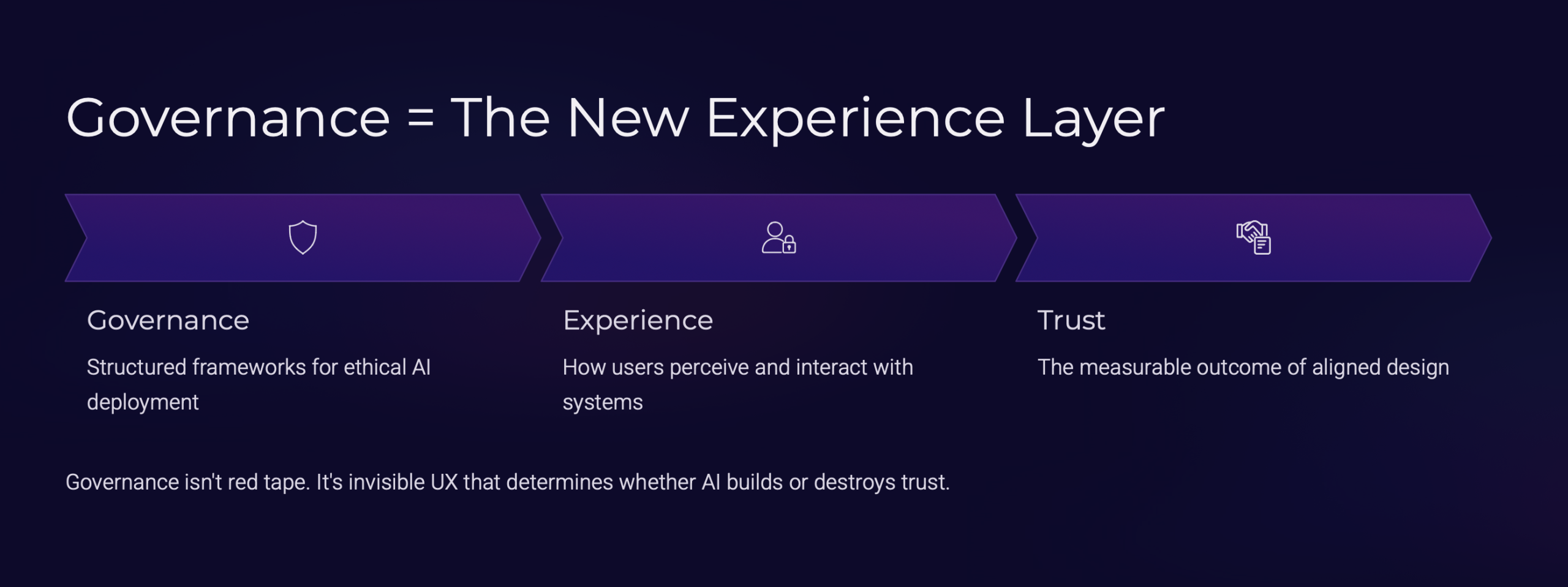
Governance structures mandate that safety engineers have the authority to halt deployments based on audit failures.
Outline Introduction: The shift from “move fast and break things” to “safety-first governance.” Key Concepts: Defining the “Stop-Work Authority” (SWA) and the role of the safety engineer. Step-by-Step Guide: How to integrate mandatory halt-authority into CI/CD pipelines. Real-World Applications: Aviation, automotive (ISO 26262), and critical infrastructure. Common Mistakes: Cultural resistance, lack of documentation, and “paper-tiger”…
-

National regulatory sandboxes allow firms to test high-risk AI under controlled supervision and regulatory guidance.
Navigating Innovation: How AI Regulatory Sandboxes Shape the Future of Tech Introduction Artificial Intelligence is no longer a futuristic concept; it is the engine driving modern industry. However, the rapid pace of AI development often outstrips the ability of legal frameworks to govern it safely. For companies building high-risk AI—systems capable of influencing human autonomy,…
-

Automated anomaly detection flags unexpected shifts in model behavior during post-deployment monitoring.
Automated Anomaly Detection: Safeguarding Model Performance in Production Introduction Machine learning models are not static assets; they are dynamic entities that inhabit ever-changing environments. Once a model is deployed, it immediately enters a state of potential decay. Whether due to shifts in user behavior, changes in data pipelines, or external market disruptions, your model’s performance…
-

Algorithmic impact assessments serve as a primary tool for preemptively identifying potential bias or safety failures.
Contents 1. Main Title: Beyond Compliance: Using Algorithmic Impact Assessments to Build Trustworthy AI 2. Introduction: Defining the “black box” problem and the transition from reactive damage control to proactive governance. 3. Key Concepts: What an Algorithmic Impact Assessment (AIA) is, the core pillars of accountability, and the distinction between technical audits and socio-technical assessments.…
-

Contractual agreements must clearly define liability distribution between AIdevelopers, deployers, and end-users.
Contents 1. Introduction: The paradigm shift in AI liability—moving from “black box” mystery to contractual certainty. 2. Key Concepts: Defining the roles (Developer, Deployer, End-User) and the “Liability Gap.” 3. Step-by-Step Guide: How to draft robust AI indemnification clauses. 4. Examples: Scenario analysis (Medical Diagnostics vs. Generative Content). 5. Common Mistakes: The pitfalls of “standard”…
-

White-box testing allows for deep access to model parameters and gradient flows for comprehensive vulnerability scans.
White-Box Testing: Unlocking Model Security Through Full Transparency Introduction In the rapidly evolving field of Artificial Intelligence, security is often treated as an afterthought. Most organizations rely on black-box testing—where the model is probed from the outside—to identify vulnerabilities. However, as AI models become the backbone of financial systems, healthcare diagnostics, and autonomous infrastructure, relying…
-
Safety liability frameworks are evolving to determine legal responsibility when autonomous systems cause physical or digital harm.
Outline Introduction: The shift from human-centric to machine-centric liability. Key Concepts: Defining strict liability, algorithmic accountability, and the “black box” problem. Step-by-Step Guide: How companies are restructuring risk management frameworks. Case Studies: Analyzing automotive automation and automated financial trading impacts. Common Mistakes: Over-reliance on “human-in-the-loop” defenses and inadequate data auditing. Advanced Tips: Implementing “Explainable AI”…