
Uncategorized
-

Reporting obligations necessitate the disclosure of major incidents involving AIsystems to relevant authorities.
Mandatory AI Incident Reporting: Navigating New Regulatory Landscapes Introduction Artificial Intelligence is no longer an experimental sandbox; it is the infrastructure powering global finance, healthcare, and critical supply chains. As these systems move from predictive analytics to autonomous decision-making, the potential for catastrophic failure grows. Consequently, global regulators—from the European Union with its AI Act…
-

Alignment evaluation benchmarks are updated quarterly to reflect evolving threats in the AI landscape.
### Article Outline 1. Main Title: The Quarterly Shift: Why AI Alignment Benchmarks Must Evolve or Become Obsolete 2. Introduction: The arms race between AI capabilities and safety measures; the danger of static benchmarks. 3. Key Concepts: Defining alignment, the “Goodhart’s Law” trap in AI evaluation, and the necessity of quarterly updates. 4. Step-by-Step Guide:…
-

Standardized benchmarking protocols are needed to compare the safety performance of models across different regions.
Outline Introduction: The current fragmented state of AI safety and the risks of regional disparities. Key Concepts: Defining “Safety Benchmarking” and why “Standardization” is the missing link. The Mechanics of Benchmarking: How to build a universal safety protocol (inputs, outputs, and adversarial testing). Step-by-Step Guide: Implementing cross-regional evaluation frameworks. Real-World Applications: Adapting to cultural nuances…
-
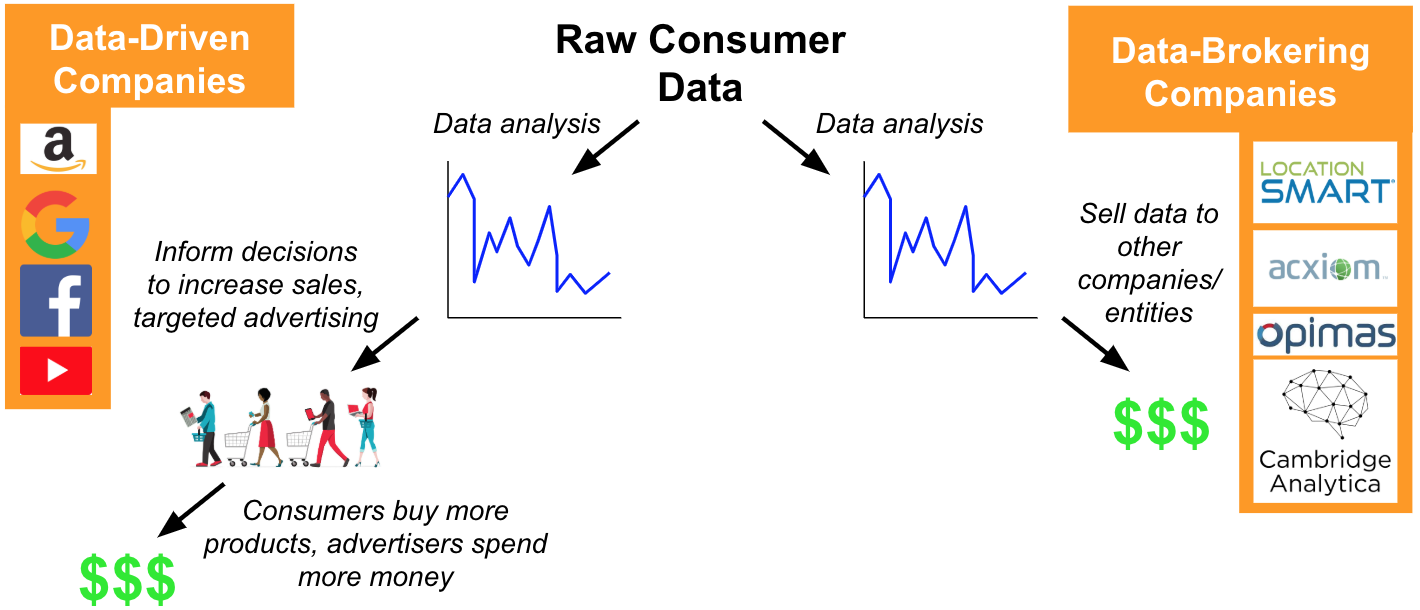
Data poisoning defense protocols are tested to ensure model immunity to corrupted training inputs.
Defending Against Data Poisoning: Building Immune Machine Learning Systems Introduction In the modern era of artificial intelligence, data is the new currency. However, this reliance on massive datasets has created a significant vulnerability: data poisoning. If an adversary injects malicious, corrupted, or misleading data into your training set, the resulting model can be manipulated to…
-

Intellectual property protections must be balanced against requirements for open-source transparency in safety reports.
The Paradox of Progress: Balancing Intellectual Property with Open-Source Safety Transparency Introduction We are currently witnessing a historic shift in how technology is developed, deployed, and governed. From artificial intelligence models to decentralized blockchain protocols, the tension between safeguarding proprietary innovation and the mandate for public safety is at an all-time high. Companies invest billions…
-

Redundancy measures are implemented to ensure that safety layers remain active even if primary control systems fail.
Engineered Resilience: Implementing Redundancy to Protect Critical Systems Introduction In high-stakes environments—whether managing a nuclear power plant, a cloud computing infrastructure, or an automated manufacturing line—the cost of failure is often measured in lives, massive financial losses, or irreversible reputational damage. We often operate under the assumption that our primary control systems are infallible, but…
-
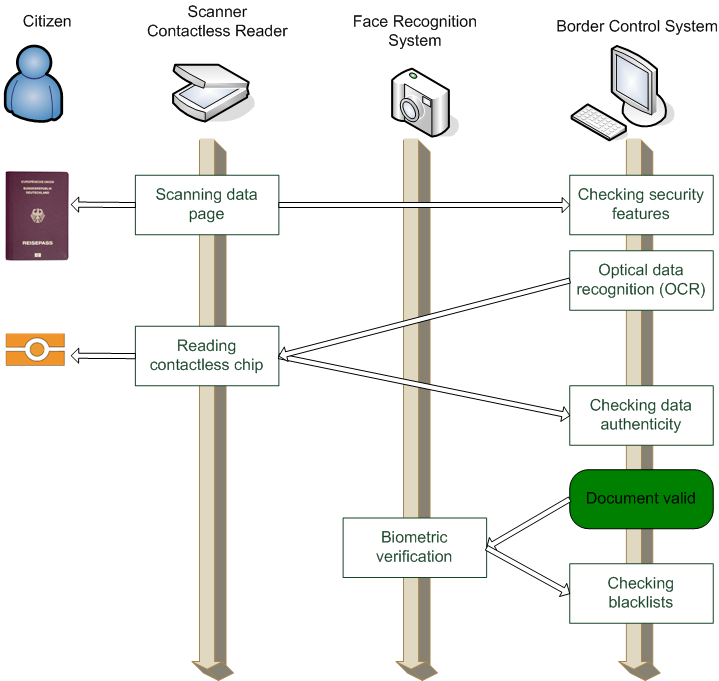
Version control systems must log every iteration of a model to satisfy audit requirements regarding training lineage.
Contents 1. Main Title: Beyond Code: Why Model Lineage is the New Standard for Audit Compliance 2. Introduction: The shift from software development to machine learning and the emergence of “black box” liability. 3. Key Concepts: Defining model lineage, provenance, and the difference between code versioning and model versioning. 4. Step-by-Step Guide: Establishing a robust…
-

Safety-by-design principles are enforced through mandatory code reviews focusing on the implementation of safety constraints.
Contents 1. Main Title: Engineering Integrity: Implementing Safety-by-Design Through Mandatory Code Reviews 2. Introduction: The shift from reactive patching to proactive security; defining Safety-by-Design. 3. Key Concepts: Understanding Safety Constraints (Input validation, Least Privilege, Fail-safe defaults). 4. Step-by-Step Guide: How to institutionalize safety-focused code reviews. 5. Examples/Case Studies: Practical application in high-concurrency systems and API…
-

Periodic stress tests evaluate model stability under edge-case conditions that were not represented in the training set.
Contents 1. Introduction: The “Model Drift” trap and why static training data fails in dynamic environments. 2. Key Concepts: Defining stress testing vs. standard validation; the role of edge cases in model robustness. 3. Step-by-Step Guide: Implementing a recurring stress-testing framework. 4. Real-World Applications: Financial fraud detection and autonomous logistics. 5. Common Mistakes: The pitfalls…
-

Automated compliance monitoring tools are increasingly necessary to track changes inglobal AI policy in real-time.
Outline Introduction: The shift from voluntary guidelines to mandatory regulatory frameworks in AI. Key Concepts: Defining Automated Compliance Monitoring (ACM) and its role in the “Regulatory Velocity” era. Step-by-Step Guide: How to implement an automated compliance tracking stack. Real-World Applications: Examining the EU AI Act and US Executive Order 14110 impacts. Common Mistakes: The pitfalls…