
Uncategorized
-
Periodic safety audits must be reconciled with rapid deployment cycles common in modern software development.
The Continuous Audit: Reconciling Periodic Compliance with Agile Delivery Introduction In the landscape of modern software development, the traditional “periodic safety audit” is often viewed as a structural enemy of velocity. For organizations practicing Continuous Integration and Continuous Deployment (CI/CD), a quarterly or annual security review can feel like a heavy anchor dragging behind a…
-
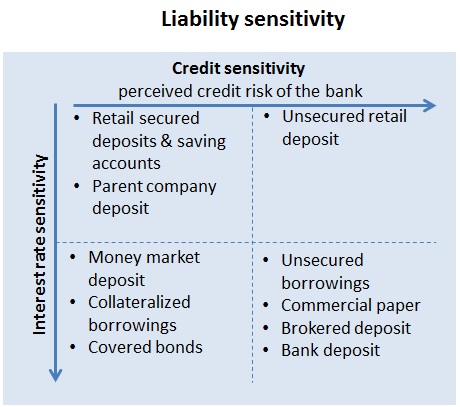
Liability insurance products are evolving to cover unique risks associated with autonomous system failure.
Outline Introduction: The shift from human error to algorithmic accountability in liability. Key Concepts: Defining “Autonomous System Failure” (ASF) and how it differentiates from traditional product liability. Step-by-Step Guide: Assessing risk exposure for businesses integrating autonomous systems. Examples: Case studies in logistics (drones/warehouse robots) and predictive AI maintenance. Common Mistakes: Over-reliance on vendor indemnification and…
-

The transition from strategy to execution is solidified by these technical mechanisms,creating a verifiable safety culture.
Outline Introduction: The gap between high-level safety strategy and operational reality. Key Concepts: Defining technical mechanisms (automated feedback loops, digital twins, and behavioral telemetry). Step-by-Step Guide: Implementing an integrated safety ecosystem. Case Study: A look at High-Reliability Organizations (HROs) in industrial manufacturing. Common Mistakes: The danger of “checkbox” compliance versus genuine cultural integration. Advanced Tips:…
-

Compliance audits extend to third-party suppliers who provide data or infrastructure for model development.
Article Outline Introduction: The shift from internal-only audits to extended supply chain oversight in AI development. Key Concepts: Defining the AI supply chain, data provenance, and infrastructure dependencies. Step-by-Step Guide: A lifecycle approach to auditing third-party partners. Real-World Applications: Applying these principles to cloud providers and data labeling services. Common Mistakes: Pitfalls like “set it…
-

Whistleblower protections are being expanded to cover individuals reporting unsafe AIdevelopment practices.
The New Frontier of Accountability: Whistleblower Protections in AI Development Introduction For decades, whistleblower protection laws were designed for traditional industries: finance, healthcare, and government contracting. However, as artificial intelligence (AI) evolves from a research curiosity into the backbone of global infrastructure, the stakes of failure have shifted. An error in a financial report can…
-

Internal governance committees are vital for overseeing the ethical and legal deployment of AI systems.
The Blueprint for Responsible AI: Why Internal Governance Committees Are Non-Negotiable Introduction Artificial Intelligence is no longer a speculative technology relegated to experimental labs; it is the engine driving enterprise decision-making, customer interaction, and operational efficiency. However, the speed of AI deployment often outpaces the development of organizational safeguards. When algorithms determine credit eligibility, screen…
-

Ethical training for developers complements technical measures to ensure a culture of safety throughout the lifecycle.
The Developer’s Moral Compass: Why Ethical Training is the Missing Piece in Software Security Introduction For decades, the software industry has relied on technical safeguards—firewalls, encryption, static analysis, and penetration testing—to secure the digital world. While these layers are foundational, they often fail to address the primary point of failure: the human developer. As software…
-

Supply chain transparency ensures that third-party AI components are audited for compliance before integration.
Supply Chain Transparency: Auditing Third-Party AI Components Before Integration Introduction The modern enterprise software stack is no longer built from scratch. Today, it is assembled—patched together from a complex web of third-party APIs, open-source libraries, and proprietary machine learning models. While this approach accelerates innovation, it creates a massive “black box” problem: your AI-driven decisions…
-
Standardized reporting formats allow for the comparison of safety metrics across different organizational departments.
Contents 1. Main Title: The Unified Lens: Leveraging Standardized Reporting for Cross-Departmental Safety 2. Introduction: Why siloed safety data is a silent killer of organizational growth. 3. Key Concepts: Defining standardized metrics (KPIs, Lead vs. Lagging indicators) and the “Common Language” framework. 4. Step-by-Step Guide: Implementation strategy (Standardization, Digital Integration, Governance). 5. Examples/Case Studies: Manufacturing…
-
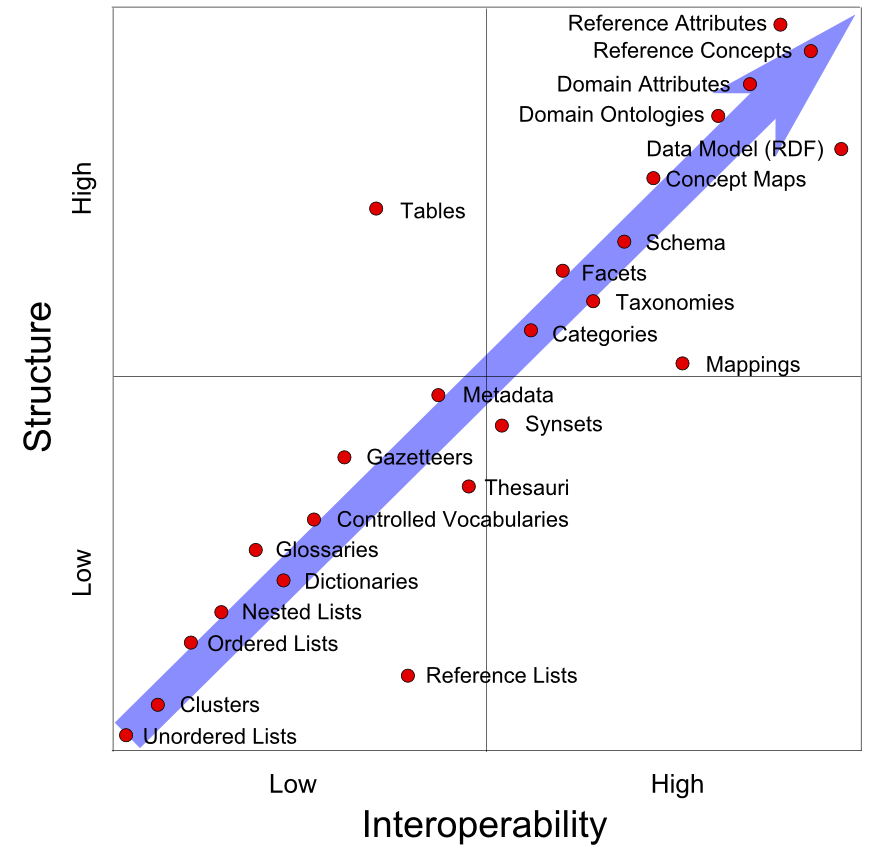
Interoperability between international safety standards is crucial for global supply chain consistency.
Contents 1. Introduction: Define the “Tower of Babel” problem in global manufacturing and why interoperability is the bridge. 2. Key Concepts: Define standards, regulatory harmonization, and the difference between “compliance” and “interoperability.” 3. Step-by-Step Guide: Implementing an interoperability framework (Assessment, Mapping, Automation, Audit). 4. Real-World Applications: Focus on ISO, IEC, and cross-border digital product passports.…