
Uncategorized
-

Cultural nuances in regulatory enforcement require localized strategies for global AIdeployment success.
Outline Introduction: The shift from “one-size-fits-all” AI to localized compliance. The Core Tension: Universal AI models vs. localized regulatory and cultural expectations. Step-by-Step Guide: Building a framework for regionalized AI deployment. Real-World Applications: Examining how GDPR (EU) vs. PIPL (China) vs. US frameworks differ in practice. Common Pitfalls: The dangers of “regulatory arrogance” and blind…
-
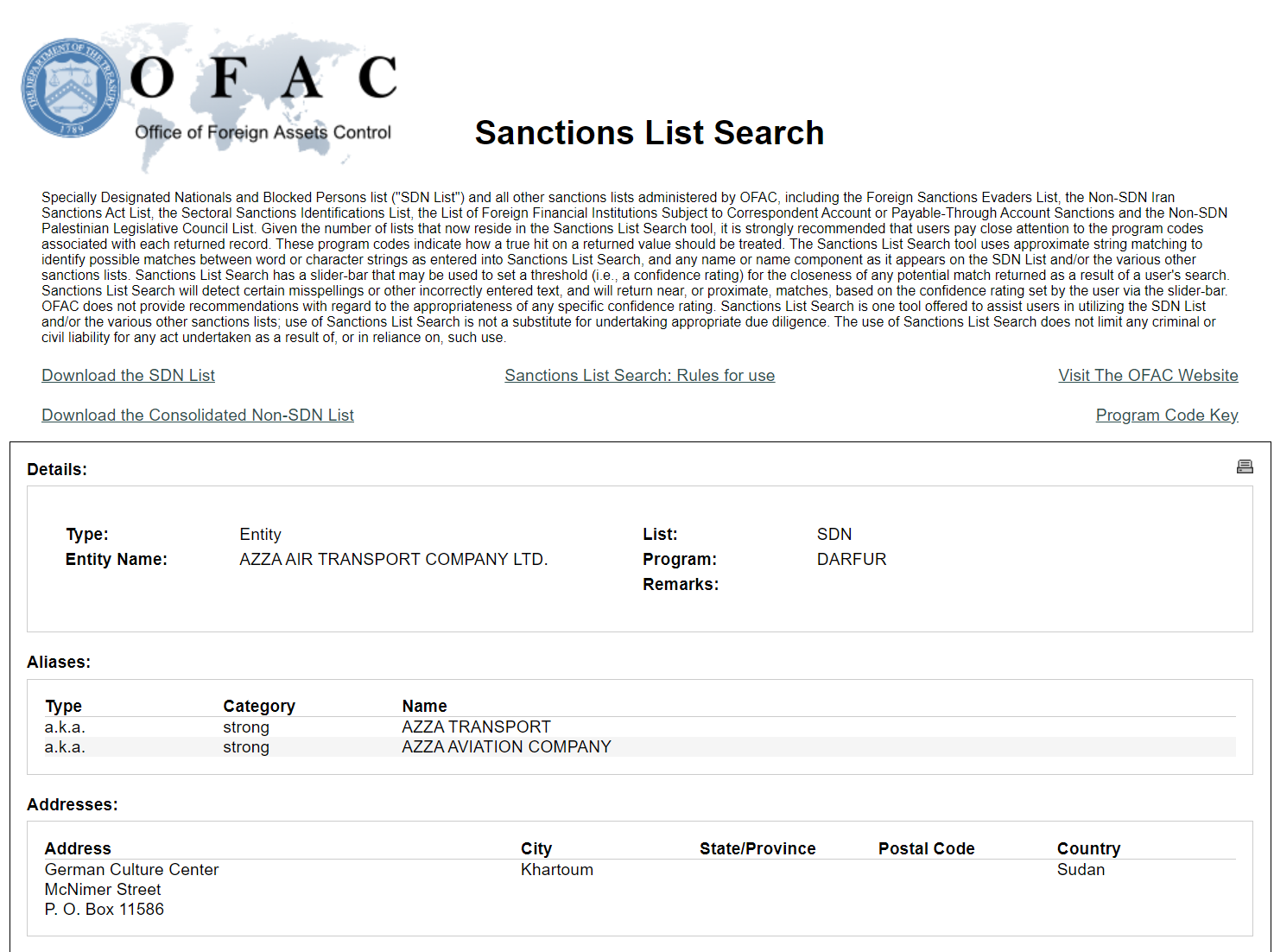
Sanctions for non-compliance with the EU AI Act include significant financial penalties based on global revenue.
Navigating the EU AI Act: Understanding the High Stakes of Compliance Introduction The European Union has officially ushered in a new era of digital governance with the EU AI Act. Unlike previous regulatory frameworks that focused primarily on data privacy, such as the GDPR, the AI Act targets the development, deployment, and utilization of artificial…
-

Human oversight requirements mandate that AI systems be designed to allow for meaningful intervention by human operators.
The Human-in-the-Loop Imperative: Designing AI Systems for Meaningful Oversight Introduction As Artificial Intelligence shifts from experimental labs to the core infrastructure of modern enterprise, the “black box” problem has become a liability. We are moving past the era where AI outputs are accepted at face value. Today, the success of an AI deployment is not…
-

AI safety documentation must be accessible and readable by non-technical legal and regulatory professionals.
Bridging the Gap: Why AI Safety Documentation Must Be Legally Accessible Introduction We are currently witnessing a seismic shift in how AI is governed. As governments worldwide transition from voluntary ethical guidelines to binding regulatory frameworks—such as the EU AI Act—the bottleneck for compliance is no longer just technological capability; it is communication. For legal…
-
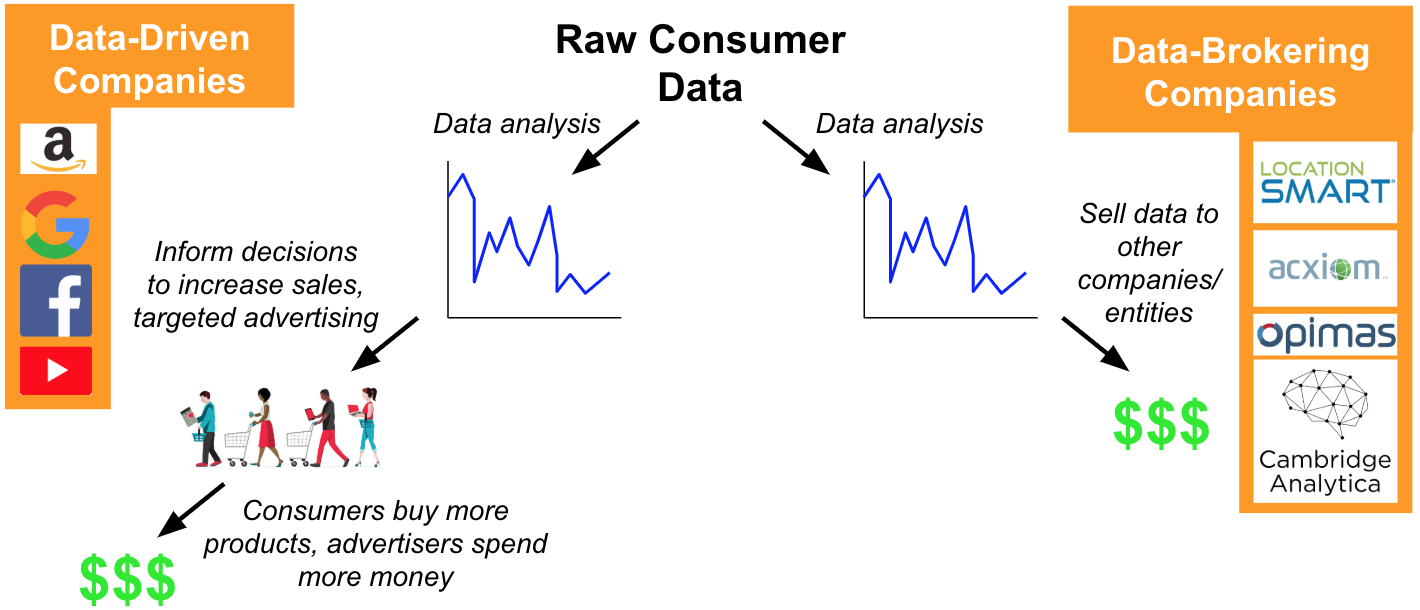
Data minimization principles are enforced to protect user privacy during the massive data ingestion phase.
Outline Introduction: The shift from “collect everything” to “collect only what is needed.” Key Concepts: Defining Data Minimization, Purpose Limitation, and Storage Limitation within data pipelines. Step-by-Step Guide: Implementing data minimization at the ingestion layer. Real-World Case Studies: Healthcare (PHI compliance) and Retail (Customer loyalty programs). Common Mistakes: Over-collection, lack of metadata management, and shadow…
-

Organizations must conduct mandatory conformity assessments for systems categorized as high-risk by regulatory authorities.
### Article Outline 1. Main Title: The Compliance Imperative: Navigating Mandatory Conformity Assessments for High-Risk Systems 2. Introduction: Defining the regulatory landscape and the shift from “best practice” to “mandatory requirement.” 3. Key Concepts: Defining what makes a system “high-risk” (e.g., AI in recruitment, medical devices, critical infrastructure) and the role of third-party vs. internal…
-
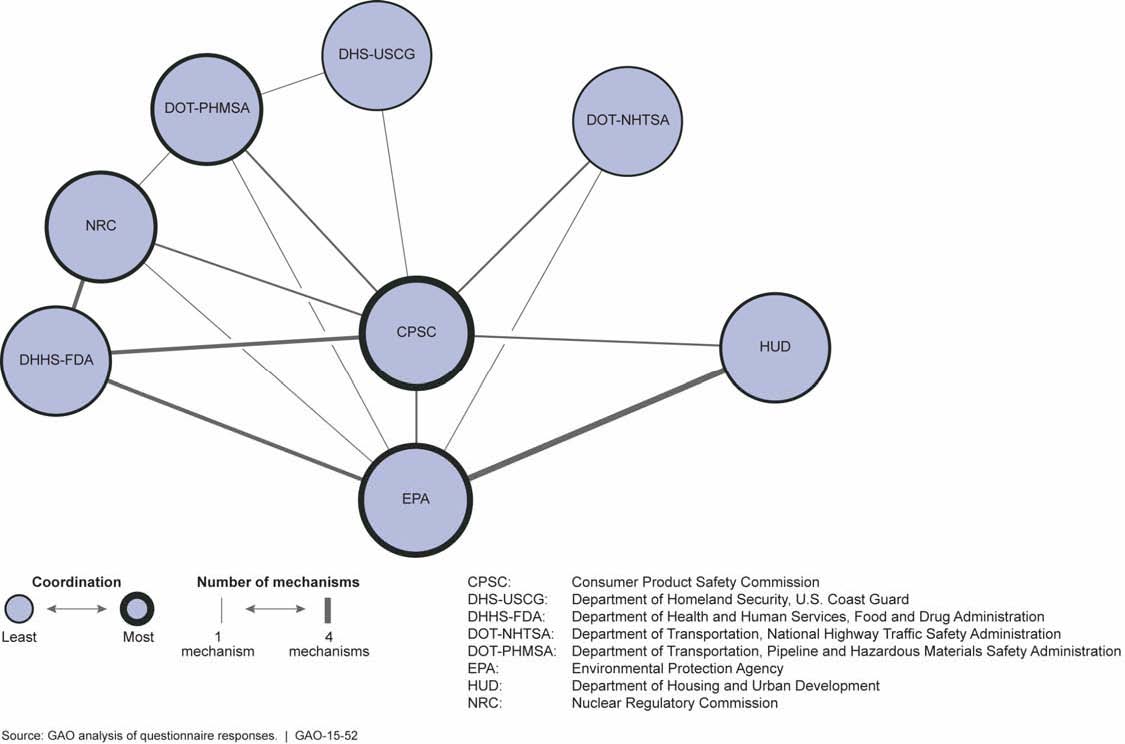
Regulatory agencies are increasing their technical capacity to conduct independent code and model reviews.
The New Era of Algorithmic Oversight: Regulatory Agencies Upgrade Technical Capacity Introduction For decades, regulatory oversight was a process defined by paper trails, compliance checklists, and periodic audits of corporate policy documents. However, as the global economy becomes inextricably linked to complex algorithms and artificial intelligence, traditional methods of governance have reached their breaking point.…
-

The European Union AI Act establishes a risk-based classification system for all deployed artificial intelligence.
Outline Introduction: The shift from voluntary guidelines to mandatory regulation; why the EU AI Act changes the global landscape. Key Concepts: The four-tier risk pyramid (Unacceptable, High, Limited, Minimal). Step-by-Step Guide: How companies should conduct an AI compliance audit. Examples and Case Studies: Real-world scenarios (Credit scoring vs. Spam filters). Common Mistakes: Overlooking transparency requirements…
-

——–.
Please provide the specific topic you would like the article to be about! Since you left the topic placeholder as “——–“, I am ready to generate the content as soon as you provide the subject matter. Once you provide the topic, I will write the 1,200–2,000 word article following your exact structural and formatting requirements.…
-

Regulatory Landscapes and International Standardization
Navigating the Global Maze: A Guide to Regulatory Landscapes and International Standardization Introduction In an increasingly interconnected global economy, the ability to scale a business across borders is no longer just an ambition—it is a competitive necessity. However, scaling internationally introduces a complex labyrinth of regulatory requirements and technical standards. From data privacy laws in…