
Uncategorized
-

Automated stress testing simulates edge-case scenarios to evaluate system performance under extreme load conditions.
Outline Introduction: Defining stress testing as the “stress test for stability.” Key Concepts: Differentiating load vs. stress vs. soak testing. The Anatomy of an Edge-Case: What actually constitutes an “extreme load” scenario? Step-by-Step Implementation: From baseline metrics to post-crash analysis. Real-World Applications: E-commerce spikes, financial high-frequency trading, and API rate limiting. Common Mistakes: Over-reliance on…
-

Reporting obligations necessitate the disclosure of major incidents involving AIsystems to relevant authorities.
Reporting Obligations: Navigating the Mandatory Disclosure of AI Incidents Introduction The rapid proliferation of artificial intelligence across critical infrastructure, finance, and healthcare has moved AI governance from a theoretical debate to a practical necessity. As governments worldwide transition from voluntary ethical guidelines to binding regulatory frameworks—such as the EU AI Act—the mandate to report “major…
-

Interpretability tools allow engineers to map internal activations to human-understandable concepts or features.
Demystifying the Black Box: Mapping Neural Activations to Human-Understandable Concepts Introduction For years, the field of deep learning has been haunted by the “black box” problem. We feed data into complex neural networks, receive highly accurate predictions, but remain largely in the dark about why the model arrived at those specific conclusions. As these systems…
-

Standardized benchmarking protocols are needed to compare the safety performance of models across different regions.
Contents 1. Introduction: The “Wild West” of AI safety and the fragmented global landscape. 2. Key Concepts: Understanding cross-regional disparities in safety evaluation (cultural nuance, regulatory divergence, and linguistic bias). 3. Step-by-Step Guide: How to build or adopt a standardized benchmarking protocol. 4. Real-World Case Studies: Why a model safe in San Francisco might fail…
-

Intellectual property protections must be balanced against requirements for open-source transparency in safety reports.
The Paradox of Progress: Balancing Intellectual Property with Open-Source Safety Transparency Introduction We are currently witnessing a historic shift in how technology—particularly artificial intelligence—is developed and deployed. As these systems become increasingly integral to critical infrastructure, healthcare, and finance, the demand for “safety transparency” has reached a fever pitch. Stakeholders are clamoring for companies to…
-

Formal verification mathematically proves that a model adheres to defined safety specifications under all inputs.
Formal Verification: Building Systems That Cannot Fail Introduction In modern engineering, the most critical question is no longer “Does it work?” but rather “Can we prove it will never fail?” Traditional testing, no matter how exhaustive, only proves that a system works for the scenarios you happened to test. It leaves open the dangerous possibility…
-
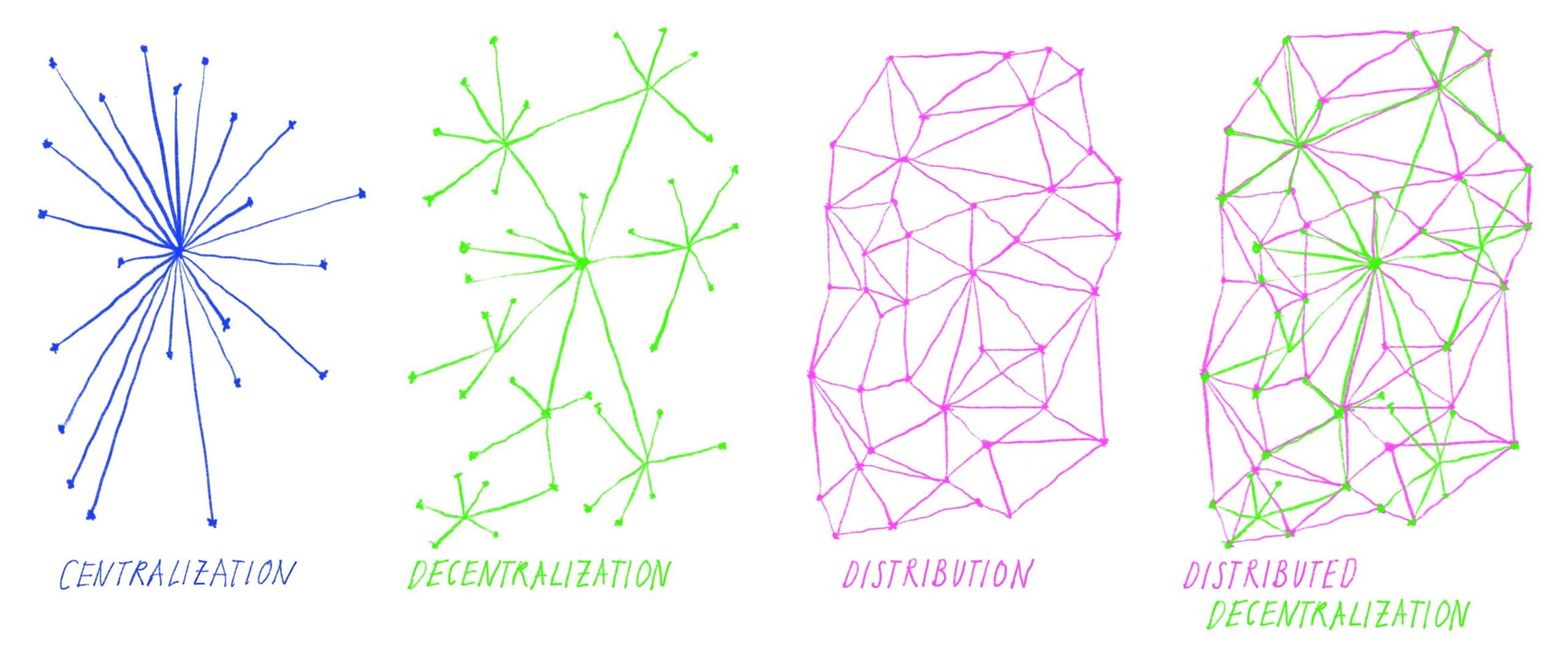
Decentralized development teams face challenges in harmonizing disparate safety protocols across international branches.
Bridging the Divide: Harmonizing Global Safety Protocols in Decentralized Development Teams Introduction In the modern era of software engineering, the sun never sets on development. Teams are spread across continents, time zones, and regulatory jurisdictions. While this decentralization offers access to a global talent pool and 24/7 productivity, it introduces a critical friction point: the…
-
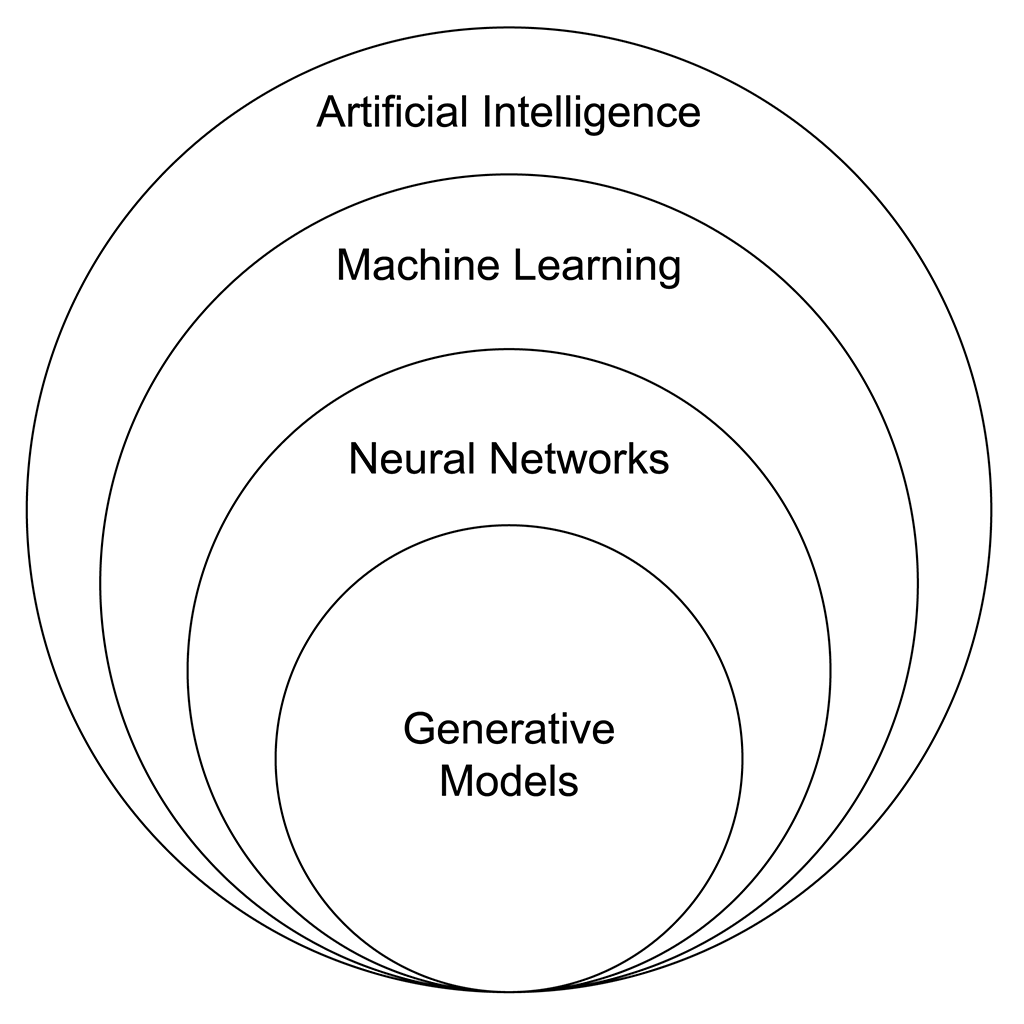
Adversarial robustness testing involves applying perturbations to input data to expose model vulnerabilities.
Adversarial Robustness Testing: Securing AI Against Evasive Inputs Introduction Modern machine learning models are deceptively fragile. While a deep neural network might achieve 99% accuracy on a clean test set, a strategic, near-invisible modification to an input—known as an adversarial perturbation—can cause the model to fail spectacularly. For businesses relying on AI for fraud detection,…
-
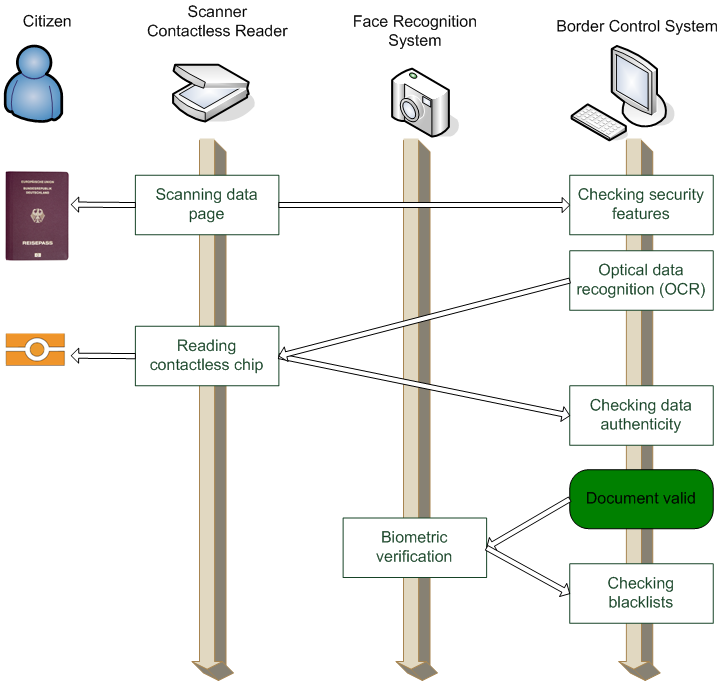
Version control systems must log every iteration of a model to satisfy audit requirements regarding training lineage.
Outline Main Title: The Audit Trail: Why Version Control is Non-Negotiable for AI Model Lineage Introduction: The shift from “experimental code” to “regulatory asset” and the risks of black-box development. Key Concepts: Defining Model Lineage, Data Provenance, and the “Audit-Ready” state. Step-by-Step Guide: Implementing an end-to-end versioning pipeline. Real-World Case Study: How a regulated financial…
-

Red-teaming serves as a primary methodology for identifying emergent failure modes in large-scale AI models.
Contents * Introduction: Defining the “brittleness” of LLMs and why standard testing fails to capture emergent behaviors. * Key Concepts: Defining Red-Teaming, Emergent Properties, and the difference between adversarial testing and traditional QA. * Step-by-Step Guide: Establishing a red-teaming framework (Scope, Persona Development, Execution, Iteration). * Examples & Case Studies: Real-world scenarios (Jailbreaking, Bias amplification,…