
Uncategorized
-

AI safety documentation must be accessible and readable by non-technical legal and regulatory professionals.
Bridging the Gap: Making AI Safety Documentation Accessible for Legal and Regulatory Oversight Introduction The rapid integration of Artificial Intelligence into sectors ranging from healthcare to finance has outpaced the development of standard regulatory frameworks. As AI systems become more autonomous and complex, the traditional “black box” nature of machine learning models has become a…
-
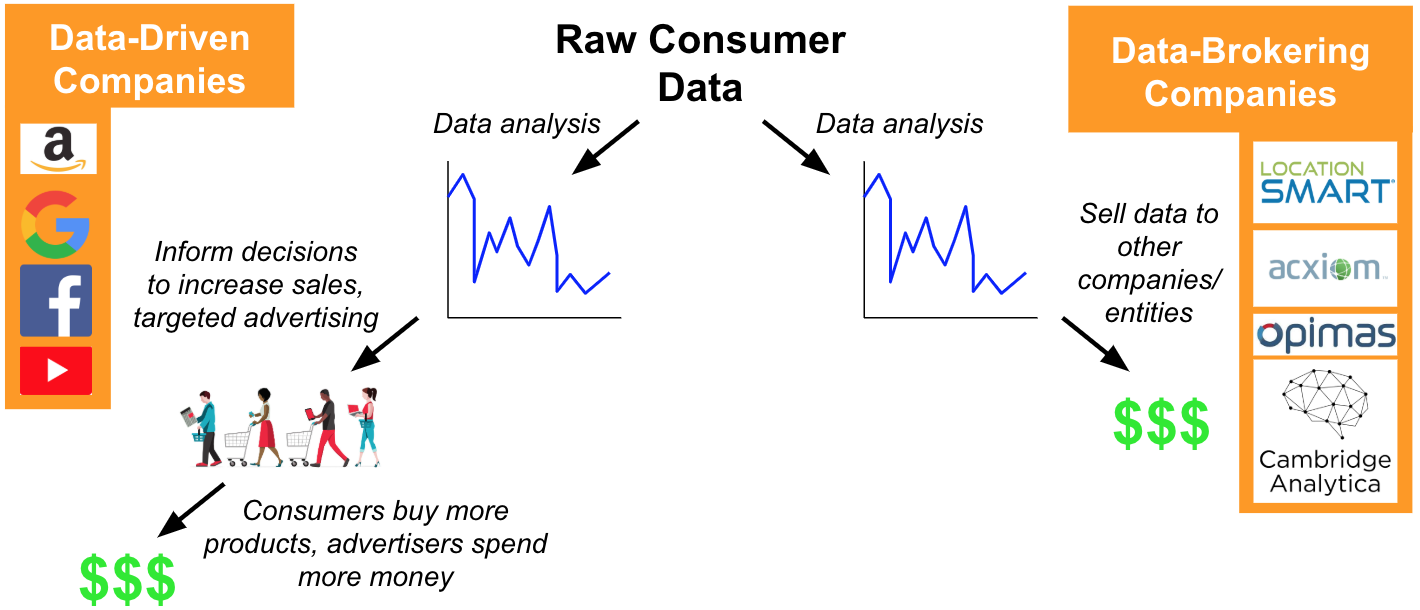
Data minimization principles are enforced to protect user privacy during the massive data ingestion phase.
Article Outline Introduction: The shift from “collect everything” to “collect only what is necessary” in the era of Big Data. Key Concepts: Defining Data Minimization (Purpose Limitation, Storage Limitation, Data Adequacy). Step-by-Step Guide: Implementing privacy-by-design at the ingestion layer. Real-World Applications: How fintech and healthcare sectors apply these principles. Common Mistakes: The “just in case”…
-

Multi-layered defense strategies integrate both proactive design and reactive mitigation techniques.
Contents 1. Introduction: Define the paradigm shift from “perimeter-only” security to the “Defense-in-Depth” model. 2. Key Concepts: Deconstruct the two pillars: Proactive Design (hardening) vs. Reactive Mitigation (incident response). 3. Step-by-Step Guide: A practical framework for implementing layered defenses in an organizational context. 4. Examples and Case Studies: Applying the strategy to cybersecurity, physical security,…
-
Failure mode and effects analysis (FMEA) identifies critical points of potential system degradation.
Failure Mode and Effects Analysis (FMEA): Identifying Critical Points of System Degradation Introduction In complex systems, whether they are mechanical, digital, or organizational, failure is rarely a sudden, isolated event. It is usually the result of gradual degradation that remains invisible until it reaches a breaking point. Waiting for a system to crash before addressing…
-

Internal governance committees are vital for overseeing the ethical and legal deployment of AI systems.
The AI Oversight Imperative: Building Robust Internal Governance Committees Introduction Artificial Intelligence is no longer an experimental feature confined to R&D departments; it is the engine driving modern business operations, from algorithmic hiring and credit scoring to automated supply chain management. However, as AI systems grow in complexity, so do the risks associated with their…
-
Runtime monitoring systems provide real-time telemetry on model confidence and output toxicity scores.
Outline Introduction: The shift from static testing to dynamic runtime guardrails. Key Concepts: Defining confidence scores (uncertainty quantification) and toxicity scoring (safety moderation). Step-by-Step Guide: Implementing a monitoring pipeline. Real-World Applications: Customer support automation and internal knowledge bases. Common Mistakes: Over-reliance on thresholds and latency bottlenecks. Advanced Tips: A/B testing prompts and human-in-the-loop triggers. Conclusion:…
-

Supply chain transparency ensures that third-party AI components are audited for compliance before integration.
The Imperative of Supply Chain Transparency: Auditing Third-Party AI Before Integration Introduction The artificial intelligence revolution is no longer built from scratch. Today, organizations rarely develop models in a vacuum; instead, they assemble powerful applications by layering pre-trained models, APIs, and specialized libraries sourced from third-party vendors. While this modular approach accelerates time-to-market, it introduces…
-
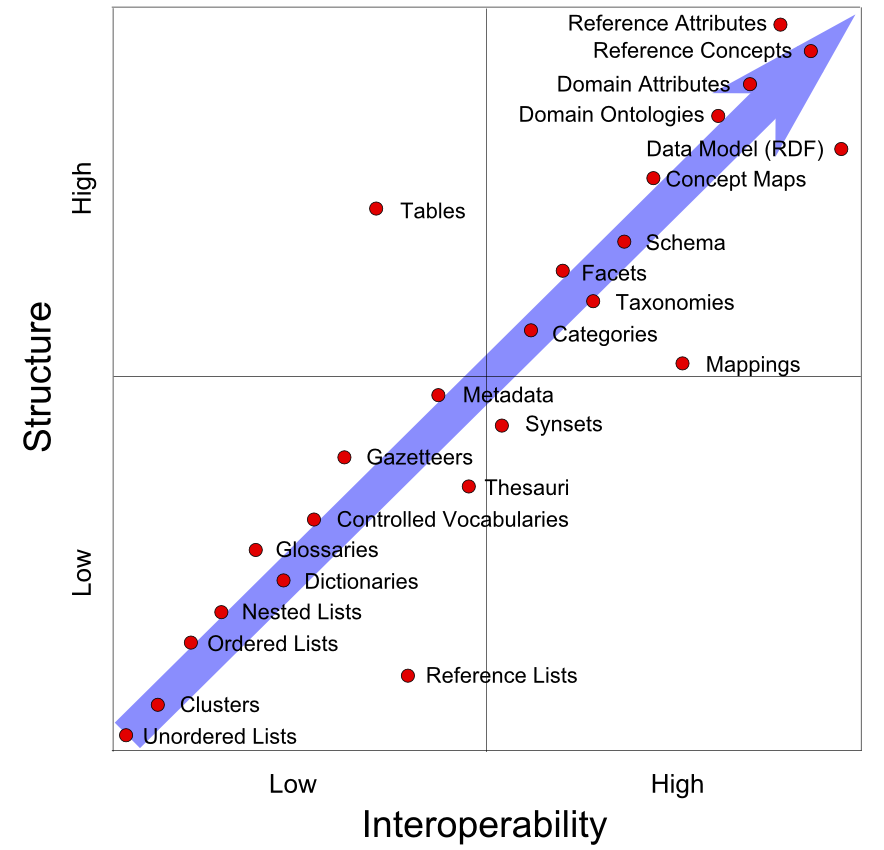
Interoperability between international safety standards is crucial for global supply chain consistency.
The Invisible Bridge: Why Interoperability Between International Safety Standards Drives Global Supply Chain Resilience Introduction In the modern global economy, a single product may traverse six countries, undergo three stages of manufacturing, and utilize components from dozens of suppliers before reaching the end consumer. For a supply chain to function seamlessly, the components—and the processes…
-
Knowledge distillation can be used to distill safer, more robust behaviors from larger teacher models.
Knowledge Distillation: Architecting Safer and More Robust AI Models Introduction The race to build increasingly large Large Language Models (LLMs) has yielded impressive capabilities, but it has also created a dangerous dependency on massive computational resources and opaque, unpredictable behaviors. As models grow, they inherit biases, hallucinations, and safety vulnerabilities that are difficult to prune…
-

Regulators are moving toward a unified approach to define what constitutes a”significant” risk in AI.
Contents 1. Introduction: The shift from fragmented AI oversight to a global, standardized definition of “significant risk.” 2. Key Concepts: Defining systemic vs. localized AI risks (computational thresholds, domain-specific impact). 3. Step-by-Step Guide: How organizations should map their AI deployments against emerging regulatory benchmarks. 4. Examples and Case Studies: Comparing the EU AI Act’s risk…