
The Myth of Iteration
In the modern startup ecosystem, we have fetishized the ‘Minimum Viable Product.’ We are told to ship fast, break things, and iterate our way to greatness. Yet, while we have gained the speed of a digital pulse, we have lost the structural integrity of 1950s engineering. We are sprinting toward growth, but our operational foundations are made of sand.
The Rigidity Paradox
The 1955 industrial philosophy wasn’t just about efficiency; it was about predictability through constraints. While today’s executives fear that rigid processes stifle innovation, the history of high-performance systems suggests the opposite. The most resilient organizations of the mid-20th century didn’t iterate on their core processes daily; they spent years perfecting them. They understood that you cannot optimize what you do not stabilize.
When ‘Agile’ Becomes ‘Fragile’
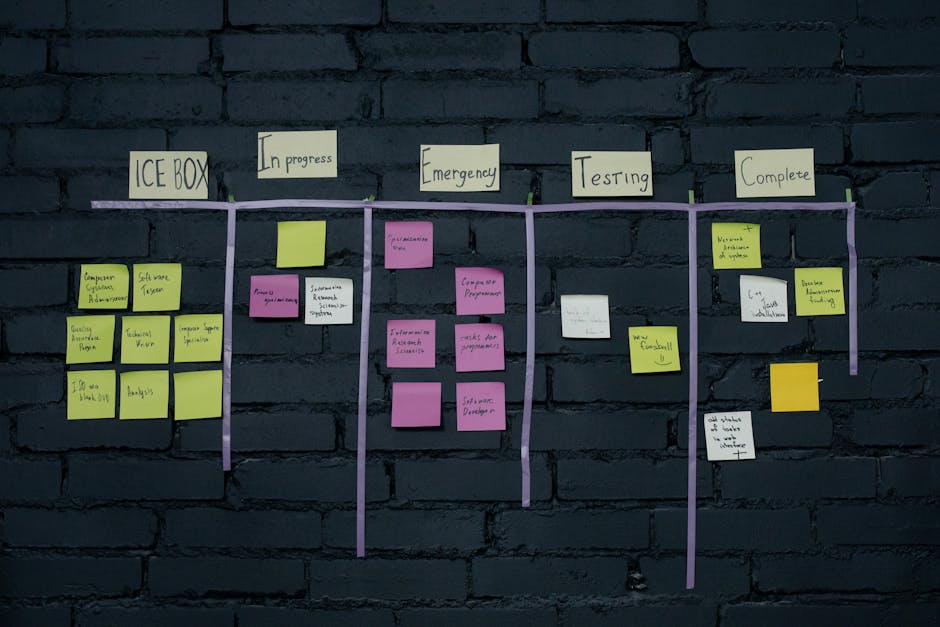
Most modern tech organizations suffer from ‘process rot.’ We replace meaningful strategic documentation with Slack threads and fleeting JIRA tickets. By treating processes as temporary software features rather than permanent architecture, we create a culture of permanent technical and organizational debt. The 1955 mindset teaches us that there is a profound competitive advantage in being hard to change. When your operational logic is anchored in bedrock principles, your team stops wasting energy deciding *how* to work and starts focusing entirely on *what* to produce.
The Strategy of Hard Constraints
To implement this in a digital-first company, you must invert your current approach:
- Stop Iterating the Process: Pick a workflow, document it with absolute clarity, and refuse to change it for a full fiscal year. Let the friction of the process reveal the bottlenecks, rather than moving the goalposts every time a process becomes inconvenient.
- Architecture Over Access: Treat your internal operating procedures like a hardware manual, not a wiki page. If it is too easy to change the rules of how your company functions, your company has no function.
- The ‘Slow’ Advantage: Prioritize the stability of your communication channels and decision-making loops over the convenience of the latest collaboration tool. If you can’t run your business with pencil and paper, you don’t have a system; you have a digital dependency.
Building for Resilience
The ultimate goal for a leader at The Boss Mind is not to keep pace with the latest software trend, but to build an enterprise that functions regardless of the tools at its disposal. When you strip away the digital layers, do you have a framework that works, or do you have a collection of apps masquerading as a strategy? Success belongs to the architects, not the beta-testers. Build your internal systems to last seventy years, and you’ll find that the quarterly metrics start taking care of themselves.



Leave a Reply