Zero-Shot Cellular Robotics: Autonomous Energy System Guide
— by
Steven Haynes
Contents
1. Introduction: Defining the intersection of cellular robotics and energy infrastructure.
2. Key Concepts: Explaining “Zero-Shot” learning in the context of autonomous micro-agents.
3. Step-by-Step Guide: Implementation workflow for deploying swarm robotics in energy grids.
4. Real-World Applications: Predictive maintenance and decentralized energy distribution.
5. Common Mistakes: Addressing the “Black Box” syndrome and sensor calibration errors.
6. Advanced Tips: Scaling swarm intelligence through edge computing.
7. Conclusion: The future of self-organizing energy networks.
Zero-Shot Cellular Robotics: The Future of Autonomous Energy Systems
Introduction
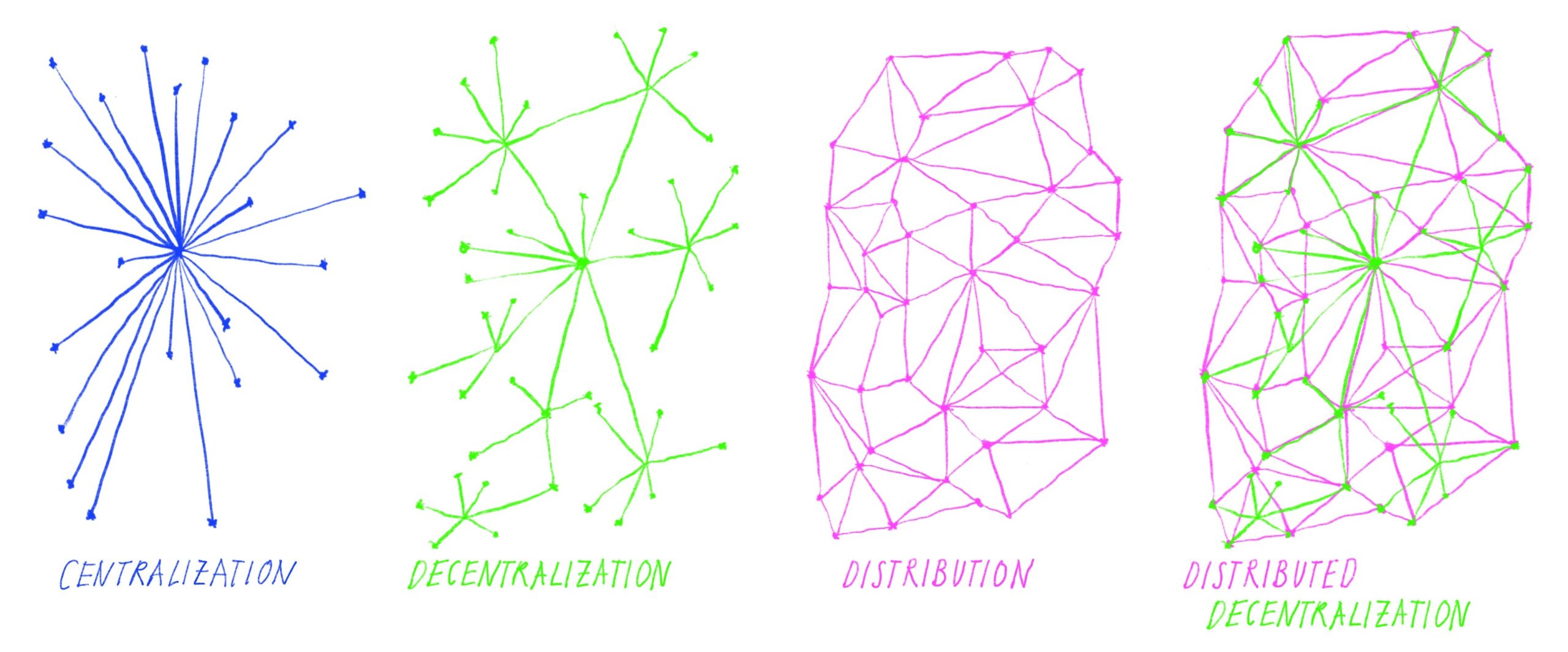
The modern energy grid is evolving from a rigid, centralized infrastructure into a dynamic, decentralized ecosystem. As we integrate more renewable sources, the complexity of managing these systems—ranging from microgrids to high-voltage transmission lines—has outpaced human oversight. Enter Zero-Shot Cellular Robotics. This emerging field leverages swarms of microscopic, autonomous agents capable of performing tasks without prior task-specific training. By applying zero-shot learning algorithms, these robots can adapt to novel environmental conditions instantly, ensuring the integrity and efficiency of energy systems in real-time.
Key Concepts
At its core, a Zero-Shot Cellular Robotics Algorithm enables a swarm of agents to solve problems they have never encountered during their development or simulation phases. In traditional robotics, an agent must be trained on a dataset of expected failures or environmental conditions. Zero-shot learning, however, relies on semantic mapping and generative modeling, allowing the agent to infer the necessary action based on its understanding of the energy system’s physical properties.
In the context of energy systems, these “cells” act as decentralized monitors and repair units. They interpret data from the grid—such as thermal fluctuations, electromagnetic interference, or mechanical stress—and map those inputs to optimal behavioral responses. Because they do not require a localized training phase for every specific grid anomaly, they are uniquely suited for the unpredictable nature of global energy infrastructure.
Step-by-Step Guide: Implementing Zero-Shot Swarms
Environment Mapping: Define the topological constraints of the energy asset, such as the impedance profile of a transformer or the structural load of a transmission tower.
Feature Embedding: Train the base algorithm on a diverse set of latent features that describe general physical laws (e.g., fluid dynamics for cooling systems or electrical conductivity) rather than specific fault types.
Swarm Deployment: Release the cellular agents into the target environment. These agents are equipped with low-power sensors that feed real-time telemetry into the onboard zero-shot inference engine.
Inference and Action: When an anomaly (such as a hairline crack or a localized overheating event) is detected, the agent compares the real-time sensor data against its latent knowledge base. It selects the most efficient corrective action—such as applying a conductive patch or triggering a cooling mechanism—without needing a manual software update.
Validation Loop: The agent logs the success or failure of its action, updating its internal probability model to refine its decision-making for future, similar occurrences.
Examples and Real-World Applications
One of the most promising applications of zero-shot cellular robotics is in Predictive Maintenance for Substation Transformers. Traditional sensors often provide binary data—working or failed. Cellular robots, however, can physically traverse the internal cooling channels of a transformer. If they detect an abnormal vibration signature, they don’t need a technician to tell them what it is. Using the zero-shot algorithm, they can identify the signature as a loose bolt and adjust their own mechanical posture to stabilize the component until human maintenance arrives.
Another application involves Decentralized Grid Balancing. In microgrids, cellular agents can inhabit the lines, acting as adaptive shunt controllers. If a sudden surge in renewable input occurs, these agents recognize the change in frequency and coordinate their collective resistance to smooth out the power delivery, effectively acting as an autonomous, distributed capacitor bank.
Common Mistakes
Ignoring Sensor Drift: In micro-scale robotics, environmental conditions (like high heat or radiation) can cause sensors to drift. If the algorithm assumes perfect data, the zero-shot inference will likely fail. Always implement hardware-level calibration buffers.
Underestimating Communication Latency: Even if agents operate independently, they need to synchronize their status. Relying on high-bandwidth communication in a remote grid environment is a mistake; prioritize local, peer-to-peer mesh protocols.
The “Black Box” Assumption: Assuming the AI will always make the “right” choice. Because zero-shot models infer based on learned semantics, they can occasionally hallucinate solutions. Always maintain a physical “fail-safe” state that the robot reverts to if confidence scores drop below a specific threshold.
Advanced Tips
To truly optimize your energy system, focus on Edge-Based Inference. Do not rely on cloud processing for the decision-making of your cellular robots. The energy grid is a mission-critical environment where connectivity is often interrupted. By ensuring that the zero-shot algorithm runs entirely on the agent’s onboard processor, you ensure 100% uptime regardless of external network status.
Furthermore, consider Evolutionary Reinforcement Learning as a secondary layer. While the zero-shot aspect handles novel situations, allow the swarm to undergo “sim-to-real” evolution periodically. This helps prune inefficient behavioral pathways, ensuring that the robots remain energy-efficient while performing their diagnostic duties.
The true power of zero-shot cellular robotics in energy systems lies in its ability to turn passive infrastructure into an active, self-healing organism. By shifting from reactive maintenance to autonomous, intelligent persistence, we can drastically reduce grid downtime and extend the lifespan of critical assets.
Conclusion
Zero-Shot Cellular Robotics represents a paradigm shift in how we manage complex energy systems. By removing the bottleneck of pre-programmed training, these autonomous agents provide a scalable, resilient solution to the challenges of modern power grids. As we move toward a more fragmented and renewable-heavy future, the ability for our infrastructure to “think” for itself will not just be a competitive advantage—it will be a necessity for global energy stability. Start by piloting small, non-critical sensor swarms, and gradually increase their autonomy as your confidence in the zero-shot decision models grows.


Leave a Reply