Strategic Resilience: Managing Excess Production via Buffering
— by
Steven Haynes
Strategic Resilience: Managing Excess Production via Regional Emergency Buffering
Introduction
In global supply chains and local manufacturing environments, efficiency is often equated with “just-in-time” (JIT) delivery. However, the fragility of modern logistics has proven that a lean approach without a safety net is a recipe for disaster. When production output exceeds immediate market demand, organizations face a critical decision: liquidate at a loss, discard the surplus, or invest in strategic resilience.
The practice of diverting excess production to regional storage for emergency buffering is more than a logistical convenience; it is a sophisticated risk-mitigation strategy. By decoupling the point of production from the point of consumption through localized strategic reserves, businesses can insulate themselves from supply chain shocks, transportation bottlenecks, and sudden spikes in demand. This article explores how to operationalize this strategy to turn surplus from a liability into a competitive advantage.
Key Concepts
To understand the utility of regional emergency buffering, we must first define the core mechanics of the strategy.
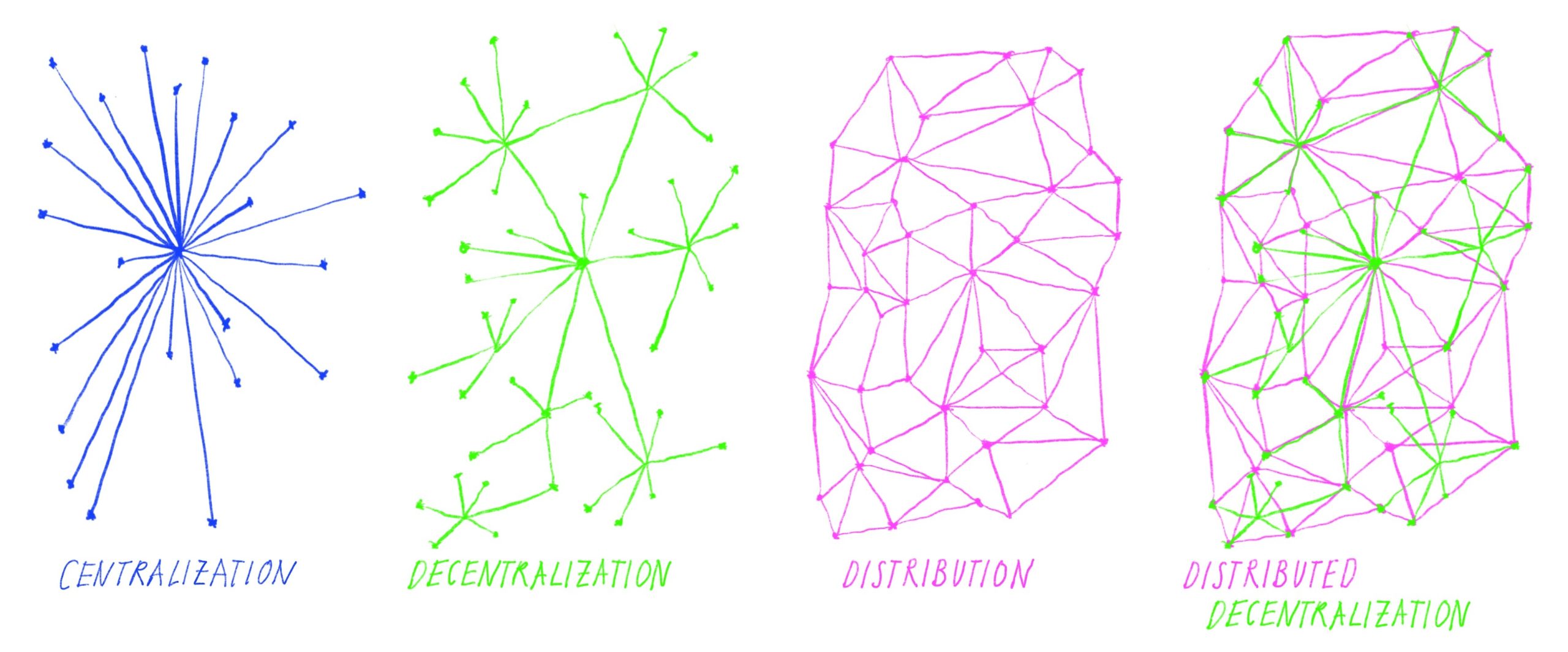
Emergency Buffering is the intentional accumulation of inventory at decentralized nodes within a distribution network. Unlike traditional warehousing, which focuses on inventory turnover, a buffer is specifically designed to remain dormant until a disruption occurs. It acts as a shock absorber for the supply chain.
Regionalization refers to the practice of positioning these buffers closer to the end consumer rather than consolidating them in a single, massive central facility. This proximity reduces lead times during a crisis, ensuring that even when primary supply lines are severed, critical goods remain accessible to the regional market.
Excess Production Diversion is the process of reallocating manufacturing surplus—goods produced beyond the standard sales forecast—into these regional nodes. This allows a company to maintain high manufacturing utilization rates while simultaneously building a strategic safety net.
Step-by-Step Guide
Transitioning from a reactive inventory model to a proactive buffering strategy requires a structured approach to logistics and data management.
Identify Criticality: Not every product requires a buffer. Conduct an ABC analysis to categorize your inventory. Focus your buffering strategy on “A” items—those with high profit margins, essential utility, or high volatility in supply chain availability.
Map Regional Vulnerabilities: Analyze your historical supply chain disruptions. Identify regions where transportation routes are prone to weather events, geopolitical instability, or labor strikes. These are your primary candidates for regional buffering nodes.
Establish “Trigger” Thresholds: Define the exact parameters for when excess production should be diverted. Use dynamic demand sensing tools to identify when production exceeds immediate retail demand and automatically route the surplus to the designated regional facility.
Implement Inventory Rotation (FIFO): To prevent product degradation, utilize a First-In, First-Out (FIFO) strategy within your buffer. Even if the inventory is “emergency” stock, it should be cycled back into active distribution periodically to ensure the goods remain fresh and sellable.
Integrate Real-Time Visibility: You cannot manage what you cannot see. Ensure your regional buffer inventory is visible in your centralized ERP (Enterprise Resource Planning) system. This prevents “lost” stock and allows for rapid deployment when a disruption is detected.
Examples or Case Studies
Consider the pharmaceutical industry during the global health crises of the early 2020s. Companies that relied solely on centralized, lean manufacturing found their distribution paralyzed when borders closed. Conversely, firms that had established regional distribution centers (RDCs) containing “safety stock” of essential medications were able to maintain continuity. By diverting excess production of high-demand medications to these regional hubs during periods of relative calm, they created a buffer that allowed for rapid response without waiting for manufacturing to ramp up.
Similarly, in the agricultural sector, regional grain elevators serve as a classic example of emergency buffering. By storing excess harvest locally rather than moving it all to international export hubs immediately, regional cooperatives provide a buffer against local crop failures. If a drought impacts a specific region, the stored excess is released locally, stabilizing prices and preventing food insecurity.
The goal of a buffer is not to increase total inventory costs indefinitely, but to trade a small, controlled increase in holding costs for a massive reduction in the cost of catastrophic supply failure.
Common Mistakes
Ignoring Carrying Costs: Storing excess production is not free. Failing to account for rent, insurance, and the opportunity cost of capital tied up in inventory can erode the financial benefits of the buffer. Always balance the cost of holding with the cost of a stock-out.
Static Buffer Levels: Treating your buffer as a “set it and forget it” storage unit is a mistake. Demand patterns shift. If your buffer levels remain static while market demand changes, you will end up with too much of the wrong product and too little of the right one.
Neglecting Maintenance: If the product is perishable or tech-sensitive, neglecting the environmental controls of the regional storage facility will lead to inventory obsolescence. Ensure your regional nodes are equipped to preserve the integrity of the goods.
Poor Communication Between Silos: When the production team is not aligned with the logistics team, excess production often ends up being liquidated at a discount rather than being diverted to a buffer. Cross-departmental KPIs are essential.
Advanced Tips
To maximize the efficacy of your buffering strategy, move beyond simple storage and embrace “Active Buffering.”
Predictive Analytics Integration: Use machine learning models to forecast not just demand, but the probability of disruption. If the model detects an 80% chance of a port strike in a specific region, proactively route excess production to a buffer in that region before the disruption occurs. This is “pre-positioning,” the highest form of buffering.
Multi-Echelon Inventory Optimization (MEIO): Use MEIO software to determine the optimal balance of inventory across your entire supply chain. Rather than guessing how much to store in a buffer, MEIO uses mathematical modeling to suggest the most cost-effective location and quantity for excess stock based on service level targets.
Collaborative Buffering: If you are a smaller player, consider sharing storage nodes with non-competing firms. By pooling the overhead costs of regional warehousing, you can maintain an emergency buffer without bearing the full financial burden of the facility footprint.
Conclusion
Diverting excess production to regional storage is a paradigm shift from the “efficiency at all costs” mentality toward a “resilience-first” approach. While it requires an upfront investment in infrastructure and a commitment to data-driven inventory management, the payoff is significant. In an era defined by volatility, the ability to maintain supply continuity when your competitors are facing stock-outs is the ultimate competitive advantage.
Start small: identify one critical product line, select one high-risk region, and pilot a buffering program. Monitor the costs, measure the response time during minor disruptions, and iterate. By turning your production surplus into a strategic asset, you ensure that your business remains operational, reliable, and prepared for whatever uncertainty the future holds.






Leave a Reply