
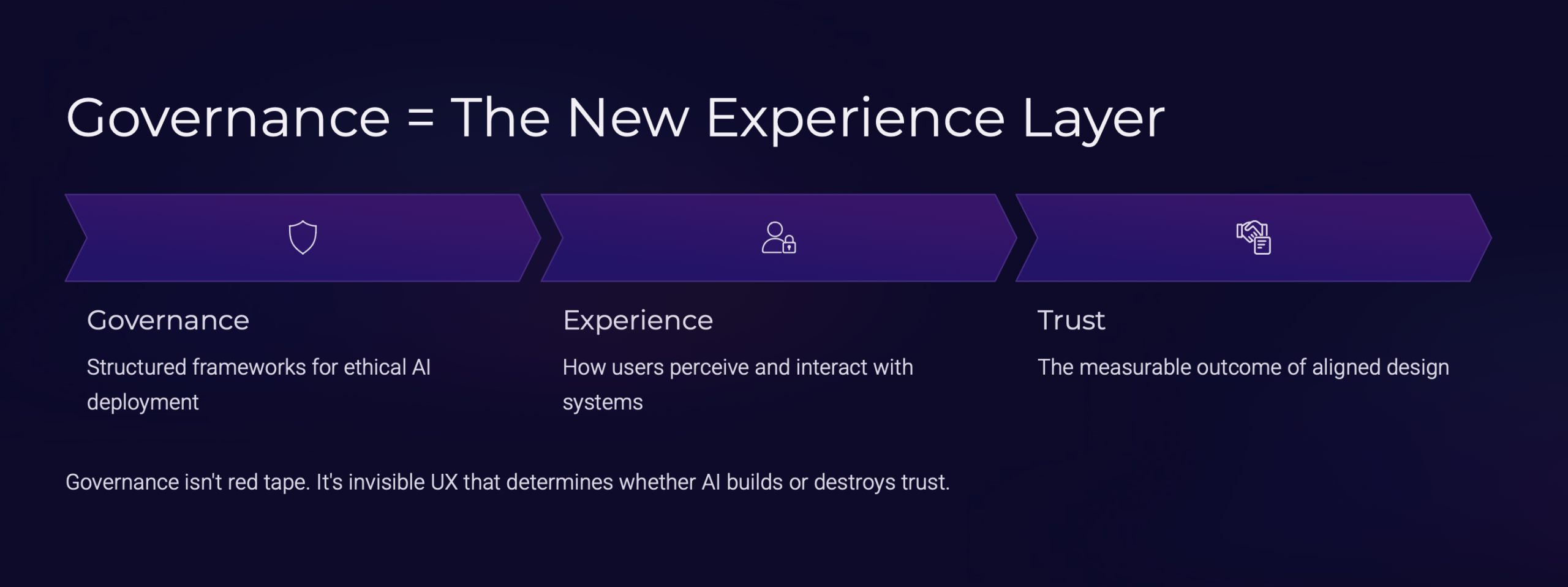
The Governance of Oversight: Why Human-in-the-Loop Protocols Must Be Documented
Introduction
As artificial intelligence systems transition from experimental tools to the infrastructure of modern society, the nature of accountability is shifting. When an AI algorithm suggests a movie, the stakes are trivial. When an AI system denies a loan, recommends a medical diagnosis, or manages an autonomous logistics grid, the stakes are existential. In these high-stakes environments, the concept of “human-in-the-loop” (HITL) is often cited as a safety net. However, without rigorous documentation, HITL is merely a theoretical concept rather than a functional safeguard.
Governance structures must evolve to ensure that human-in-the-loop protocols are not just practiced, but explicitly codified and documented. Documentation is the bridge between well-intentioned safety policy and verifiable operational security. This article explores why formalizing these protocols is the most critical step in responsible AI deployment.
Key Concepts
Human-in-the-loop (HITL) refers to a model of interaction where a human operator maintains the authority to intervene, review, or override the decisions made by an automated system. It is designed to mitigate the inherent “black box” risks of machine learning, where the logic behind a specific output might be opaque even to its creators.
Governance Documentation involves the creation of permanent, auditable logs that detail exactly when, how, and why human intervention is required. This is not about recording every interaction; it is about establishing a legal and operational trail that proves a system is operating within defined ethical and safety boundaries.
The “Responsibility Gap” occurs when automated systems operate without clear oversight. If a system fails and there is no documented protocol for how a human was supposed to intervene, accountability becomes impossible to assign. Documentation closes this gap by defining the scope of human authority versus machine autonomy.
Step-by-Step Guide: Implementing and Documenting HITL Protocols
- Map the Decision Lifecycle: Conduct a comprehensive audit of your AI application. Identify every touchpoint where the AI makes a determination that impacts a person’s finances, health, or legal standing.
- Define Trigger Events: Create a “Threshold of Intervention.” Document the specific data signals or confidence scores that mandate human review. For instance, in an AI-driven medical imaging tool, any scan with a confidence score below 90% must be flagged for manual review by a radiologist.
- Standardize the Override Procedure: Establish a uniform protocol for how an operator exercises an override. Document the interface, the time allotted for the review, and the necessary credentials required to alter the AI’s output.
- Create an Immutable Audit Log: Utilize version-controlled documentation systems to record every instance of human intervention. This log should capture the AI’s original recommendation, the human’s decision, and the rationale provided for that decision.
- Establish a Feedback Loop: Use the documentation to retrain the model. If humans are consistently overriding the AI in a specific area, the documentation serves as the dataset for identifying systematic bias or technical failure, triggering a formal model update cycle.
Examples and Case Studies
Case Study 1: Medical Diagnostics
In a high-stakes clinical setting, an oncology software suite uses computer vision to detect early-stage tumors. The governance protocol requires that any case flagged as “suspicious” by the AI be reviewed by two independent oncologists. The protocol document details the timeframes for review and provides a digital signature template for each human intervention. When a discrepancy between the AI and the doctor occurs, the hospital maintains a permanent record of the disagreement. This documentation is essential for both patient safety and legal liability, ensuring that the final medical decision is always attributed to a human expert.
Case Study 2: Automated Lending
A fintech company uses machine learning to approve or deny personal loans. To comply with fair lending regulations, they implement a HITL protocol for all “denied” applications that fall within a “borderline” credit score range. A human underwriter must review the AI’s denial logic. The documentation here requires the underwriter to note whether they agree with the AI or identify a nuance the AI missed (such as recent employment stability). By documenting these interventions, the company proves to regulators that they are not engaging in systemic algorithmic discrimination.
Common Mistakes in HITL Governance
- The “Rubber Stamp” Fallacy: Many organizations implement HITL but do not measure the quality of the oversight. If humans feel pressured to approve AI suggestions without critical thought due to time constraints, the HITL protocol is merely performative.
- Lack of Versioning: Organizations often update their AI models but fail to update the corresponding HITL protocols. Documentation must be living; if the AI evolves, the human’s role in the oversight process must also be re-evaluated.
- Siloed Documentation: Keeping oversight logs in a technical database that legal or compliance teams cannot access is a major failure. Governance documentation must be transparent and accessible to all relevant stakeholders, including internal auditors and third-party regulators.
- Ignoring the “False Sense of Security”: The biggest mistake is assuming that because a protocol exists, it is being followed. Without automated logging of the intervention process, there is no way to verify that the “human in the loop” is actually performing the duties assigned to them.
Advanced Tips
Automate the Documentation of Interventions: Do not rely on manual logs. The UI/UX of your internal AI tools should force the human reviewer to document their reasoning as part of the interface. If the human cannot click “Approve” or “Override” without selecting a reason code or typing a brief note, the documentation happens naturally as part of the workflow.
Simulate Failure States: Conduct “red team” exercises where you test the HITL protocol during a simulated system failure. If the AI hallucinates or malfunctions, can the human operator identify it in real-time? Documenting these simulated failures helps train human operators to look for specific error patterns.
Establish an Oversight Committee: For high-stakes AI, a quarterly review of the human-in-the-loop logs is essential. This committee should include engineers, legal counsel, and domain experts (like doctors or loan officers) to analyze where the system is failing to meet performance expectations and whether the HITL process is becoming a bottleneck.
The goal of human-in-the-loop is not to slow down AI, but to anchor it in human values. Documentation is the evidence that these values are being upheld in the face of machine complexity.
Conclusion
The transition toward AI-augmented decision-making is inevitable, but the erosion of accountability is not. By moving beyond the abstract notion of “human-in-the-loop” and creating concrete, documented governance protocols, organizations can protect their operations, their reputation, and—most importantly—the people impacted by their AI systems.
High-stakes interactions require more than just technical precision; it requires a transparent, auditable process that proves a human hand is guiding the machine. When you document your HITL protocols, you are doing more than checking a compliance box—you are building the infrastructure of trust required for the future of artificial intelligence.
Further Reading





Leave a Reply