

Robust Incident Response Protocols for AI-Driven Clinical Errors
Introduction
Artificial Intelligence in healthcare is no longer a futuristic promise; it is a clinical reality. From AI-powered radiology triage to predictive sepsis algorithms, machine learning tools are augmenting decision-making at an unprecedented pace. However, the integration of black-box models into patient care introduces a new category of risk: the algorithmic medical error. When a diagnostic tool misidentifies a pathology or misses a critical clinical signal, the traditional framework for medical malpractice and incident reporting often proves insufficient. Developing a robust, AI-specific incident response protocol is not just a regulatory necessity—it is a moral imperative for patient safety in the digital age.
Key Concepts
To build an effective response, stakeholders must first understand the unique nature of AI failure. Unlike mechanical equipment failure, AI errors are often probabilistic and context-dependent.
- Algorithmic Drift: AI models performance can degrade over time as the data they encounter shifts away from the distribution of their original training data.
- Automation Bias: A common cognitive error where clinicians overly rely on AI suggestions, leading to a failure to verify findings, even when contrary clinical evidence exists.
- Data Provenance Errors: Failures resulting from biased, incomplete, or corrupted input data that lead to statistically sound but clinically incorrect outputs.
- Explainability Gaps: When an AI system provides a recommendation without a clear logical path, making it difficult for human clinicians to perform a “sanity check” during the diagnostic process.
Step-by-Step Guide to Incident Response
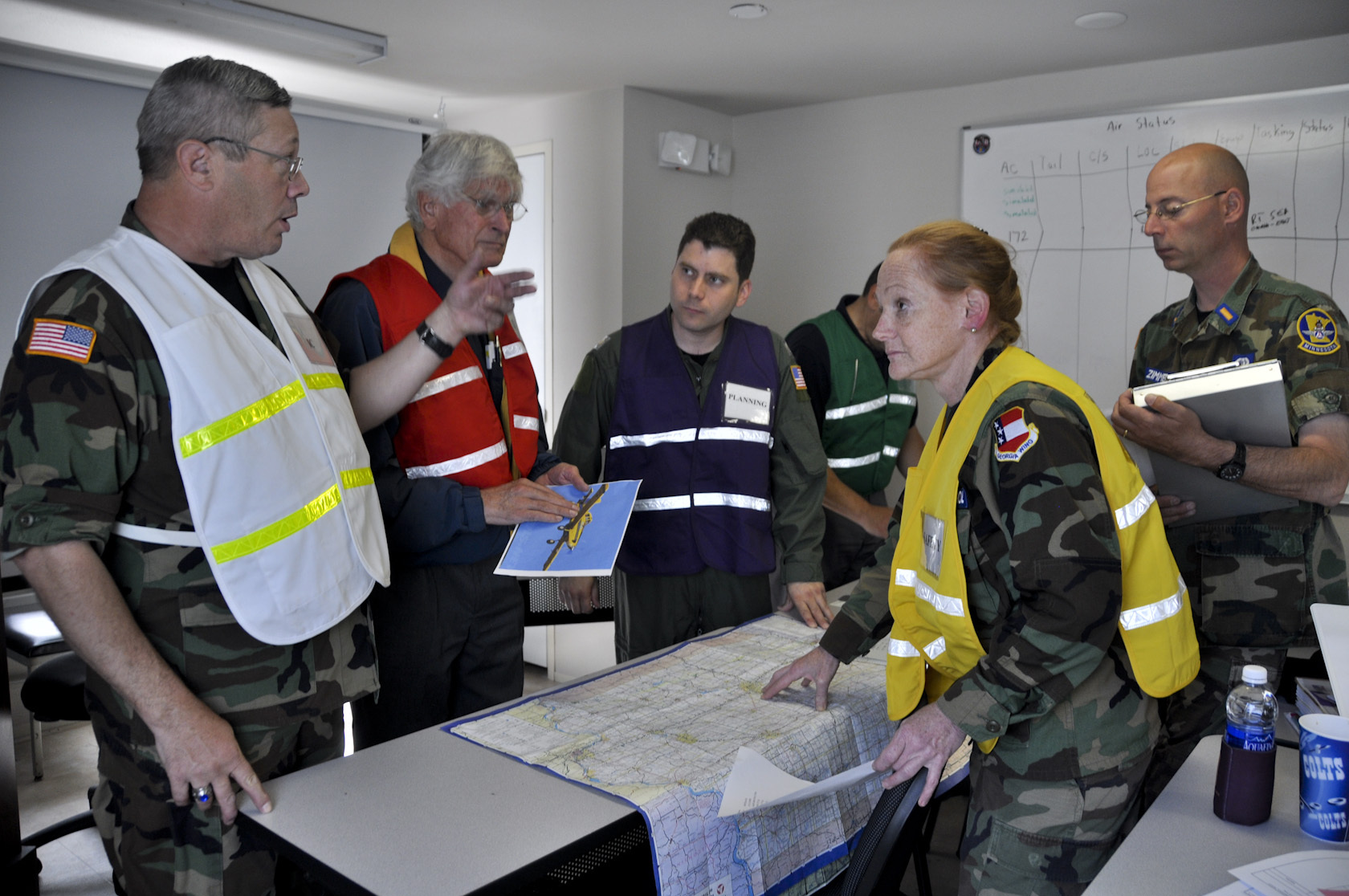
A response protocol for AI clinical errors must be integrated into existing Hospital Incident Command Systems (HICS) while adding specific technical forensic layers.
- Detection and Immediate Containment: When a clinician suspects an AI-driven error, they must immediately switch to traditional diagnostic pathways. Secure the clinical record, flagging the specific AI recommendation in the Electronic Health Record (EHR).
- Multi-Disciplinary Triage: Assemble a rapid-response team consisting of a lead physician, a clinical informaticist, and a representative from the hospital’s IT/AI governance board. The goal is to determine if the error was a user interface issue, a training data flaw, or a systemic software bug.
- Algorithmic Forensics: Extract the version number of the model used, the specific input parameters (patient vitals, image metadata), and the output confidence score. Compare this against “ground truth” data to confirm the nature of the miscalculation.
- Clinical Mitigation and Disclosure: If a patient has suffered harm, the incident must follow standard hospital disclosure protocols. Patients have a right to know if AI was part of the decision-making process that led to an adverse event.
- Root Cause Analysis (RCA): Conduct a deep-dive RCA specifically looking for “human-in-the-loop” failures versus technical failures. Did the system provide enough context? Were the alerts ignored due to alarm fatigue?
- System Hardening: Update the AI model, adjust the alerting thresholds, or modify the clinical workflow to prevent a recurrence. Communicate these changes to all clinical stakeholders.
Examples and Case Studies
Consider a scenario where a deep-learning radiology tool is trained to detect pulmonary nodules on chest X-rays. In a real-world scenario, the system begins missing nodules in patients with portable (bedside) X-ray machines because the training data primarily consisted of high-quality static images from a specific manufacturer. The AI generates a “clear” report for a patient with a rapidly growing malignancy.
“The incident response team identified that the AI was consistently misinterpreting the specific noise signature of portable X-ray detectors as standard background variance. Because the team had a pre-existing protocol for algorithmic auditing, they were able to pull the specific model from the portable units within four hours of the initial discovery, avoiding further misdiagnoses.”
This case demonstrates that the goal isn’t necessarily to blame the software, but to understand its specific operating environment constraints and respond by imposing clinical guardrails (e.g., mandating human over-read for all portable scans until the model is retrained).
Common Mistakes
- Treating AI as a “Black Box” Non-Negotiable: Many institutions make the mistake of accepting the software vendor’s explanation without performing independent validation. Never assume the vendor’s log files represent the full picture.
- Disciplinary Siloing: Incident response often fails when clinical staff and data scientists work in isolation. The bridge between the “bedside” and the “server room” must be maintained at all times.
- Lack of Documentation: Failing to log “near misses” where the AI suggested an error but the physician caught it. These near misses are the most valuable data points for preventing future, more severe accidents.
- Over-reliance on Vendors: Outsourcing the investigation to the AI vendor creates a conflict of interest. Hospitals must maintain the capability to perform internal verification.
Advanced Tips
To elevate your incident response, move from reactive to proactive strategies.
Implement Continuous Monitoring (MLOps): Treat your clinical AI as a living system. Use MLOps tools to monitor “concept drift” in real-time. If the statistical output of your model starts trending in an unexpected direction, trigger an automatic review alert before an error occurs.
Human-Centric Design Audits: Regularly observe how clinicians interact with the UI. If clinicians consistently dismiss certain pop-ups, the AI is not providing a “decision support” tool; it is providing a distraction. A high dismissal rate is a leading indicator of future diagnostic failure.
Standardize Error Reporting: Create a specific category in your incident reporting software (e.g., RLDatix or similar platforms) for “AI-Assisted Diagnostic Error.” This allows for long-term trending of AI performance across different departments.
Conclusion
AI in clinical settings is a tool of immense potential, but it shifts the landscape of medical risk. A robust incident response protocol is not just about fixing software bugs; it is about creating a culture of safety where clinicians feel empowered to challenge algorithms, investigate discrepancies, and prioritize human judgment over computational speed. By establishing clear, cross-disciplinary workflows for detection, forensics, and remediation, healthcare institutions can harness the power of AI while maintaining the highest standards of patient safety. The future of medicine belongs to the collaborative synergy between human expertise and algorithmic support—a synergy that can only thrive when we are prepared to handle the moments when that partnership falters.


Leave a Reply